
Animatronic animals · manufacturer
Animatronic Animals
Mammals, birds, reptiles and insects built over a welded steel frame — fur or silicone skin, brushed DC drive, and a control board you can trigger by hand, sensor or button. For zoos, museums, malls and events.
4 groups
Mammal, bird, reptile, insect
5–7 mm
Silicone skin thickness
110 / 220 V
Rated −25 °C to 45 °C
2 years
Warranty on electronics
What an animatronic animal is, and what it is not
It is not a stuffed model with a motor added. A welded steel frame carries the load, carved foam gives the volume, and then the surface gets decided: fur, feathers or a 5–7 mm silicone skin. Movement comes from DC motors through a relay control board, running a fixed cycle or a trigger.
The difference from our dinosaurs is not the machine — it is the surface, and the fact that visitors know exactly how a real animal moves. A slightly wrong motion on a lion reads as wrong; on a dinosaur, nobody has a reference. That changes what is worth specifying.
On this page
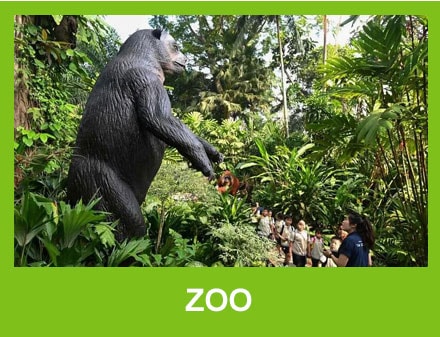
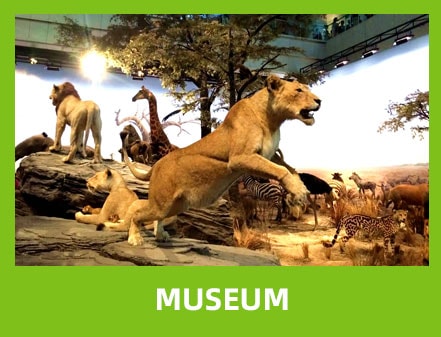
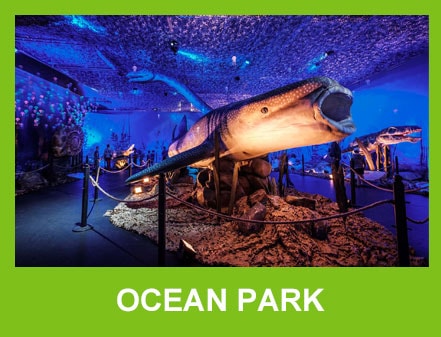
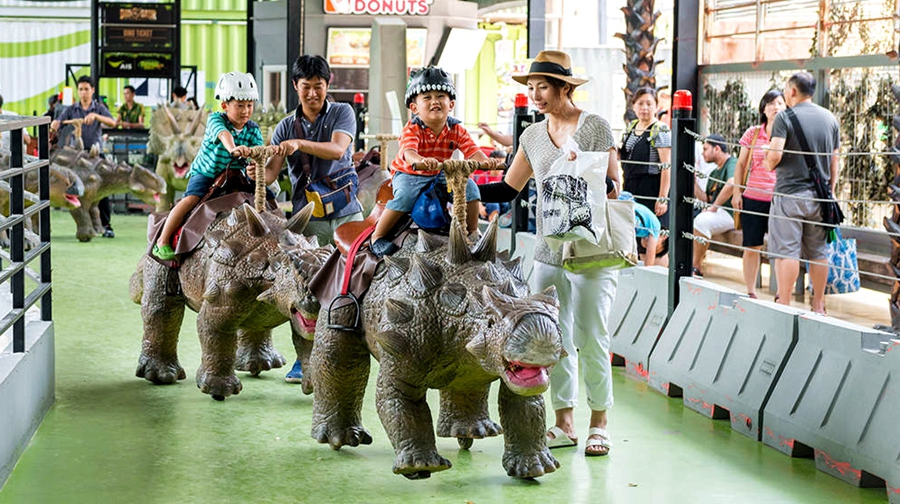
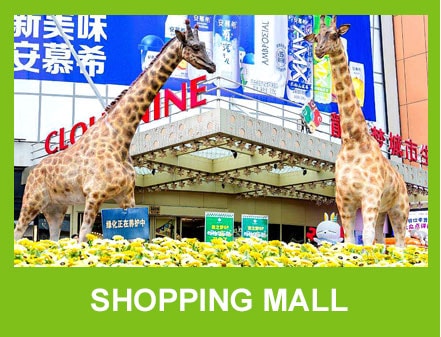
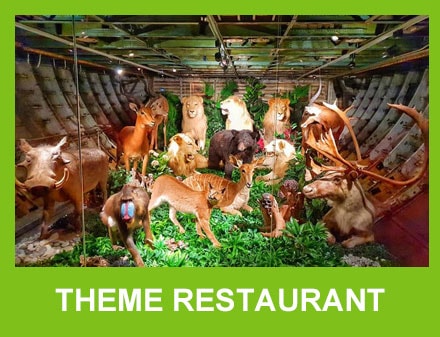
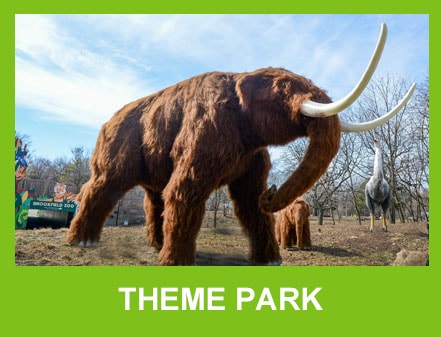
Where animatronic animals are used
An animal is usually bought for one of these reasons, and the reason changes the build more than the species does.

Species groups, and how each one is built
The machine underneath barely changes between a deer and an eagle. What changes is the surface, and that is where the specification and the cost live.
| Group | Surface approach | What usually drives the cost |
|---|---|---|
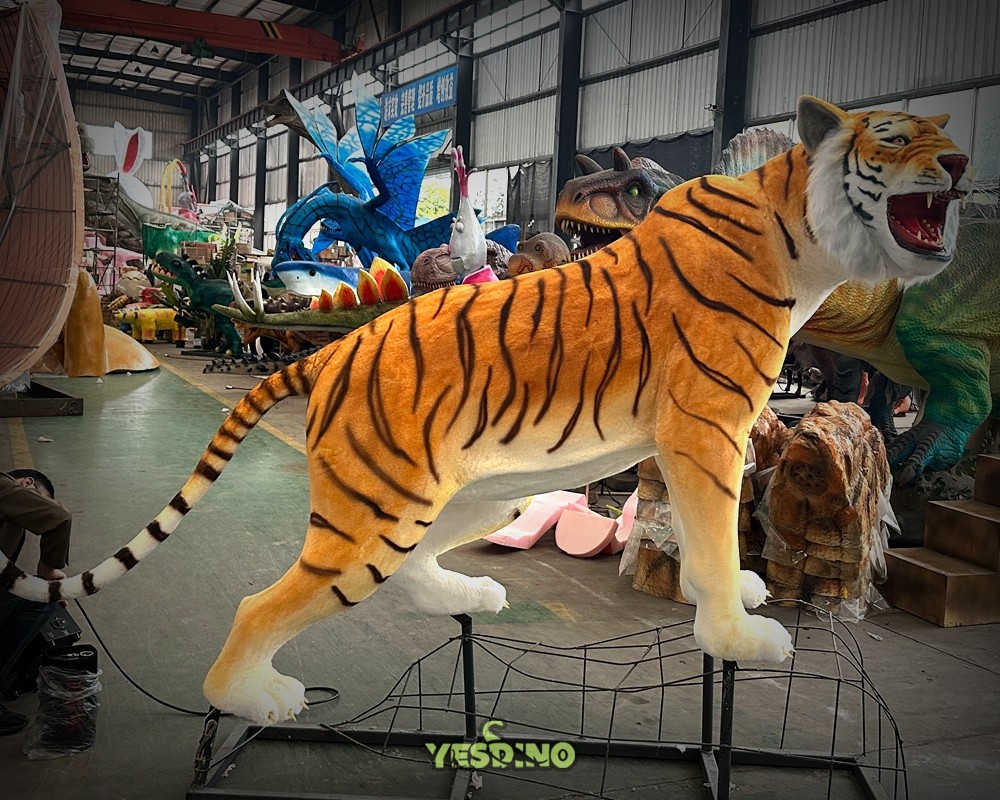
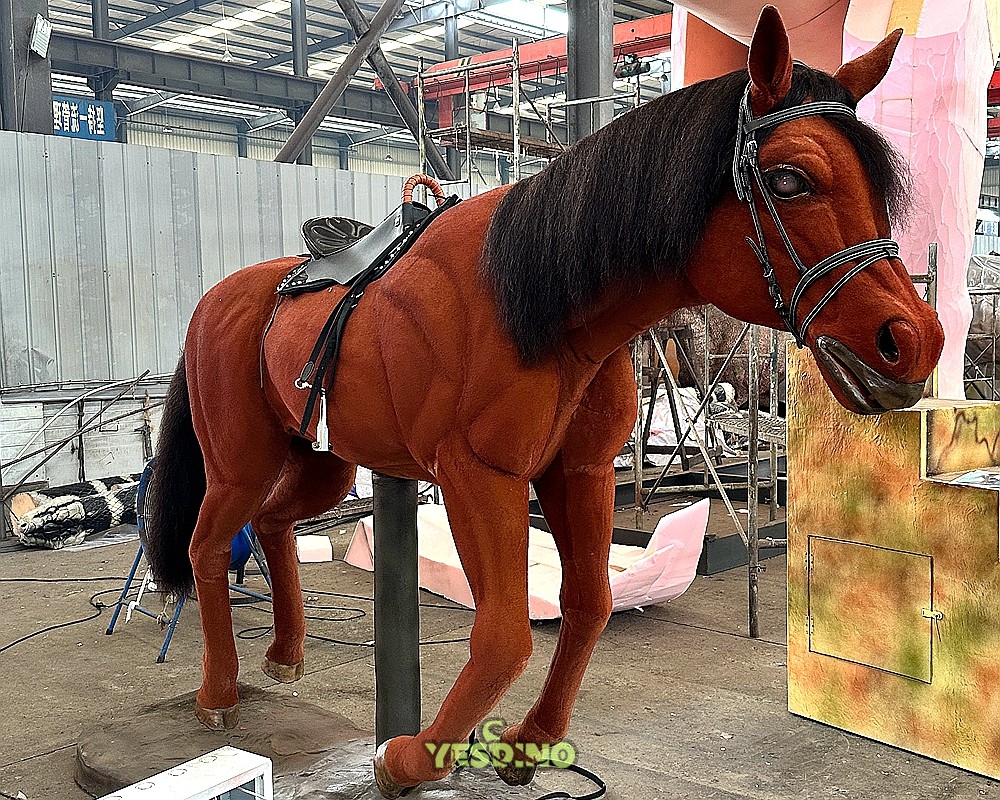
| Mammals | Fur build: fur cut and layered in direction over the carved body, then airbrushed for markings | Fur work is hand labour. Marking patterns are the most requested and the most time-consuming part |
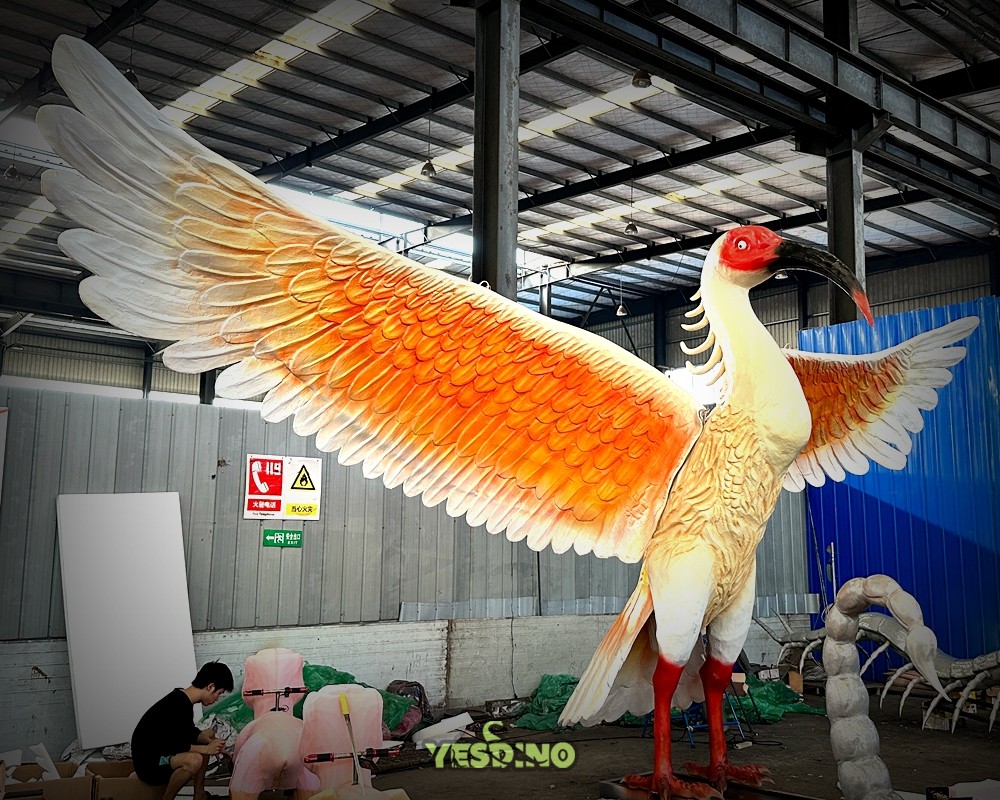
| Birds | Feather layering over the same framed body, with separate structure for wings and tail | Feather count and wing structure. A standing bird and a bird that opens its wings are two different builds |
| Reptiles and amphibians | Silicone skin, the same system as our dinosaurs, with translucent colour coats | Scale pattern and segment joints. Skin area is smaller than a dinosaur's, so detail dominates |
| Insects | Hard shell segments over a light frame, with silicone or resin detail | Leg count and small-part assembly. Not skin area — a beetle is cheap in material and expensive in fiddly work |
| Fantasy and custom | Either, plus sculpted elements with no reference animal | Reference material. With nothing to copy, the sculpt is approved from drawings, so design time is longer |
What is in production now is listed under animatronic animals, with insects under animatronic insects and fantasy builds under animatronic dragons.
Fur or silicone: the first decision on any animal
This one choice decides how the piece reads, how it is cleaned, and whether it survives outdoors. It is worth settling before a single drawing is made.
Fur build
Reads as: soft and warm; convincing at close range for mammals
Cleaning: brush and low suction. Water is the enemy, so it stays indoors or under cover
Wear pattern: matting and balding where visitors touch, usually the head and shoulders
Best for: museums, indoor exhibits, film — anything seen within a couple of metres
Silicone build
Reads as: wet, scaled, skin-like — the right surface for reptiles and amphibians
Cleaning: wipe down. Survives rain once the cabinet and base are sealed
Wear pattern: seams opening, and colour fading under direct sun
Best for: outdoor exhibits, zoos, anything that lives outside year round
Skin is 5–7 mm over carved foam, with colour built up in translucent coats rather than applied as a single finish — that is what stops the surface reading as painted plastic under direct light. The same system is used across our animatronic dinosaurs, so a reptile and a dinosaur from the same workshop will match.
Movement options for animals
Animals are usually specified with fewer movements than dinosaurs. Not because of price — because visitors know how a real animal moves, and a slightly wrong motion reads as wrong where a dinosaur can be stylised.
| Movement | What it does | Notes |
|---|---|---|
| Head and neck | Turn, lift, lower | Where most builds start. Best value per unit of cost |
| Mouth | Open, close, chew | Pairs with a call or roar; on herbivores it reads as chewing rather than aggression |
| Eyes | Blink, eyelid, LED pupil | Close viewing only. Adds a lot to a museum piece, nothing to a display seen from a balcony |
| Tail | Side sweep, single segment | The most-watched joint on mammals. A static tail is the first thing visitors notice |
| Limbs | Raise, lower, step | Only for an animal that walks or paws; otherwise the mechanism becomes the story |
| Body breathing | Slow rise and fall of the torso | The cheapest way to make a resting or sleeping animal look alive |
| Sound | Call, breath, movement noise | Often the highest-impact option per unit of cost. Check it against local noise limits |
Standard drive is a STC89C52 board switching relays, with 450 W brushed DC motors on most joints; servo drive with its own controller is used where a movement has to be slow and even. Power is 110 V or 220 V depending on destination, rated −25 °C to 45 °C. Triggers can be a handset, a motion sensor or a button panel on the base.
Watch them move: four animals, two surface types
Still photos hide the thing that matters most on an animal — whether the movement reads as an animal. These four are worth watching for different reasons. Pick a clip on the right.
Woolly mammoth · extinct species
A species with no living reference, so there is no real animal to be judged against — the brief comes from fossil reconstructions rather than from a photograph.
Surface is specified per animal rather than per group: a mammal seen at two metres is judged on fur direction and markings, one seen from a walkway on silhouette and movement range. The movement is deliberately restrained either way, because an animal visitors already recognise is judged on how accurate the motion is, not on how much of it there is.
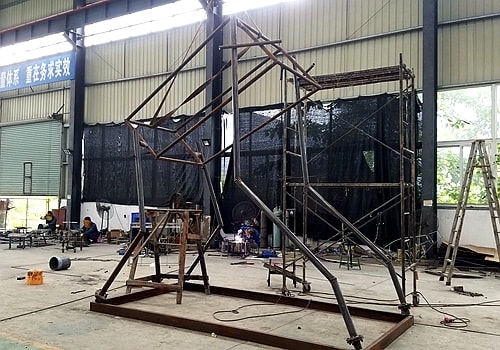
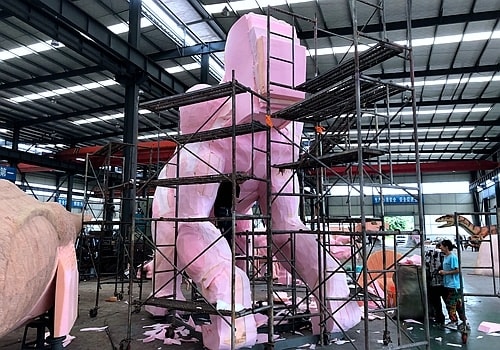
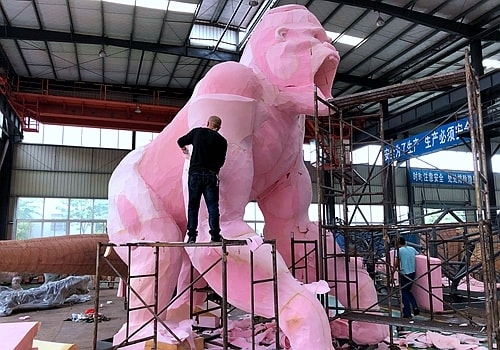
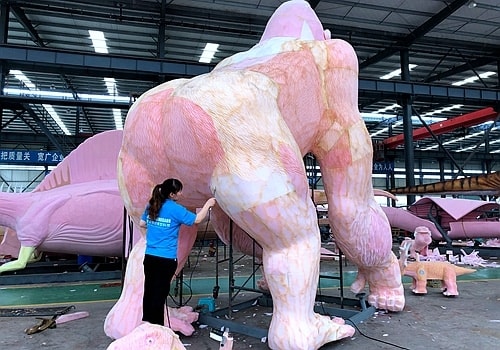
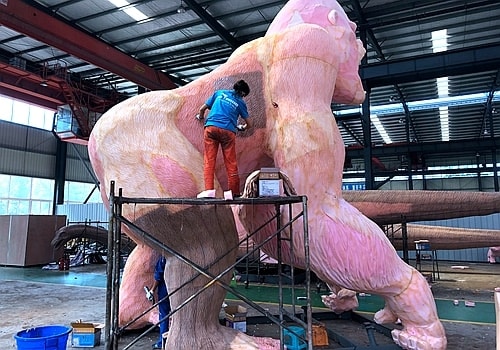
How it is built: six stages under one roof
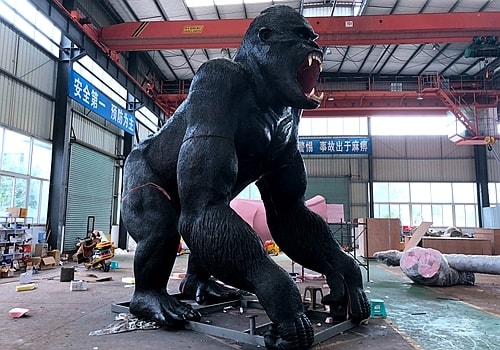
Framing, sponging, sculpting, texture, skin and testing all happen in the same workshop. Nothing goes out to a second party, which is why a specification change mid-build can be absorbed instead of becoming a re-quote.
Price, and what the quote covers
Three things move an animal quote: overall size, the surface (fur work is hand labour and priced accordingly), and joint count. Species matters through those three, not on its own.
Inside the workshop, cost divides roughly into material, labour and overhead. On a fur build the labour share rises, because fur is cut, layered and airbrushed by hand; on a silicone build the material share rises, because the skin itself is the expensive line. Either way, a quote that folds freight, duty, certificates and installation into one product figure is hiding costs you will meet later — we quote them separately so they stay visible and comparable. The cost breakdown explains the structure.
IN THE PRODUCT PRICE
Framed, surfaced, wired and tested animal
Specified movement set and control system
Remote or sensor trigger as specified
Export packing
Two-year warranty on core electronics
OUTSIDE THE PRODUCT PRICE
Freight and insurance
Import duty and taxes at both ends
Certificates required by your market
Installation: crew travel, lifting equipment, local labour, power on site
Site works, and delay costs from permits or weather
Site, install and care
Animals are lighter and smaller than dinosaurs, which makes installation easier — and makes it tempting to skip the checks. Four still decide whether it goes in cleanly.
| Item | What to send us | Why it matters |
|---|---|---|
| Access | Door and lift dimensions, and how the crate gets from truck to position | A crate that will not pass a doorway stops the install on day one |
| Surface | Photos of the floor, and whether it sits indoors, under cover or fully outdoors | It decides fur or silicone before anything is drawn |
| Sightlines | Closest viewing distance | Sets how much surface detail and movement is worth paying for |
| Staff | Whether anyone on site can do a monthly check | Decides how much of the routine we document, and which spares ship with the unit |
Servicing is deliberately simple: exercise the movements rather than leaving the animal still, keep fur builds dry and brushed, wipe silicone skins, and check the cabinet door seal monthly. Idle joints and wet cabinets cause most of the faults we see. Warranty terms are on the warranty page.
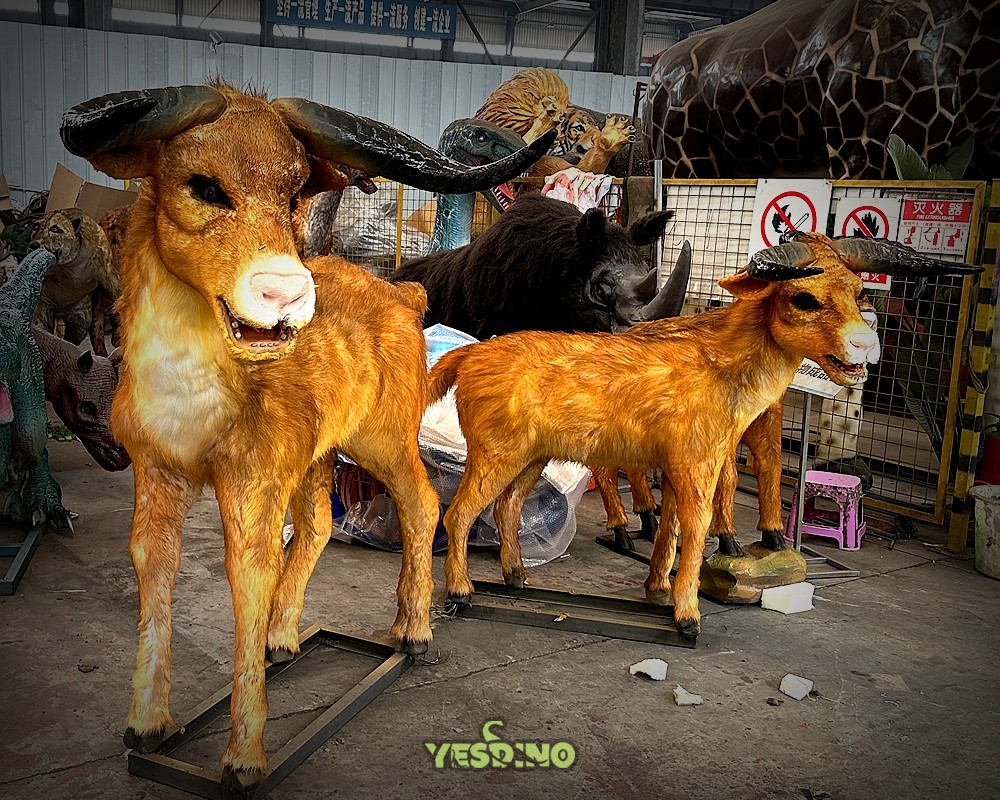
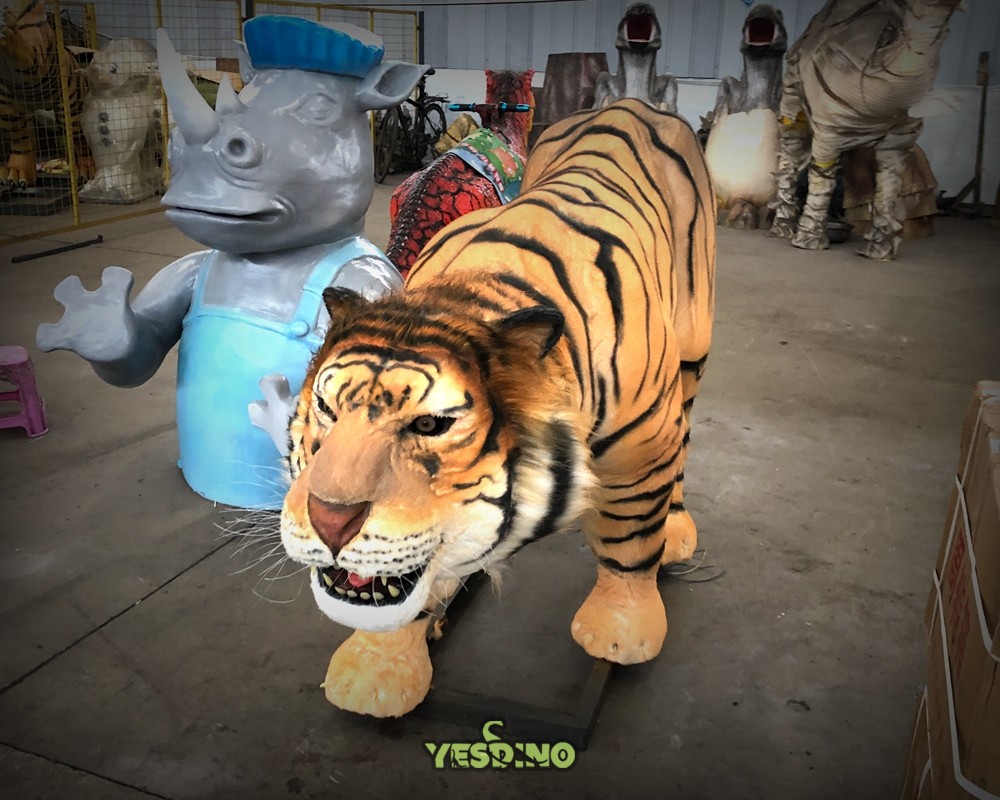
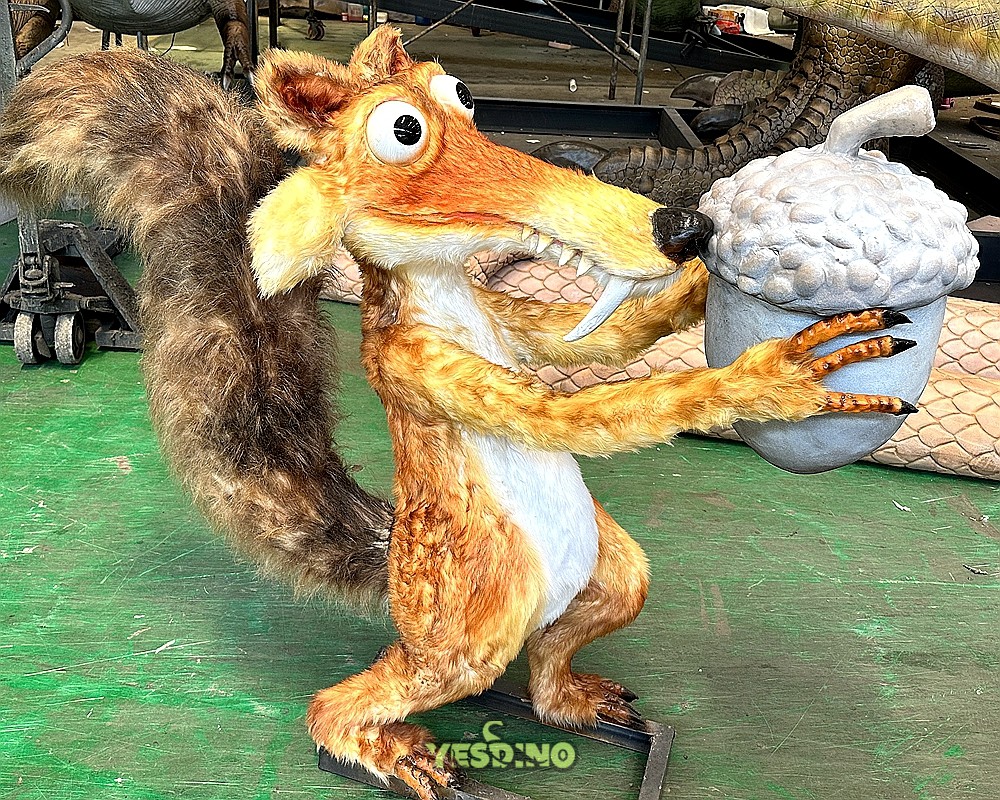
Animals currently in production
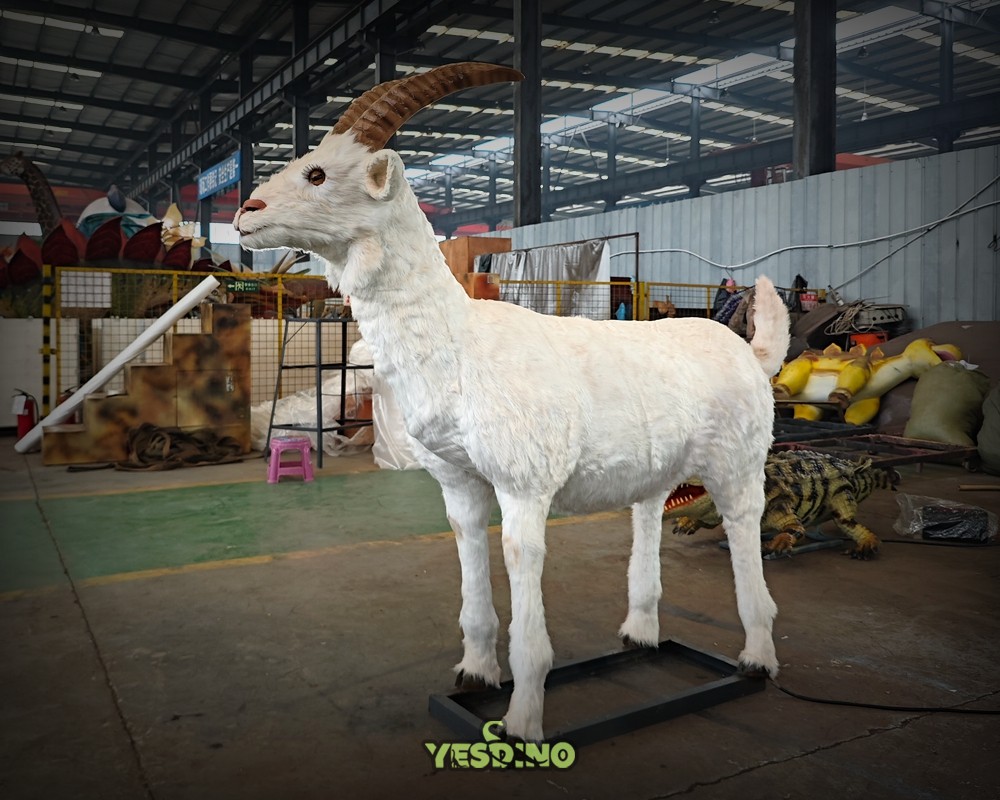
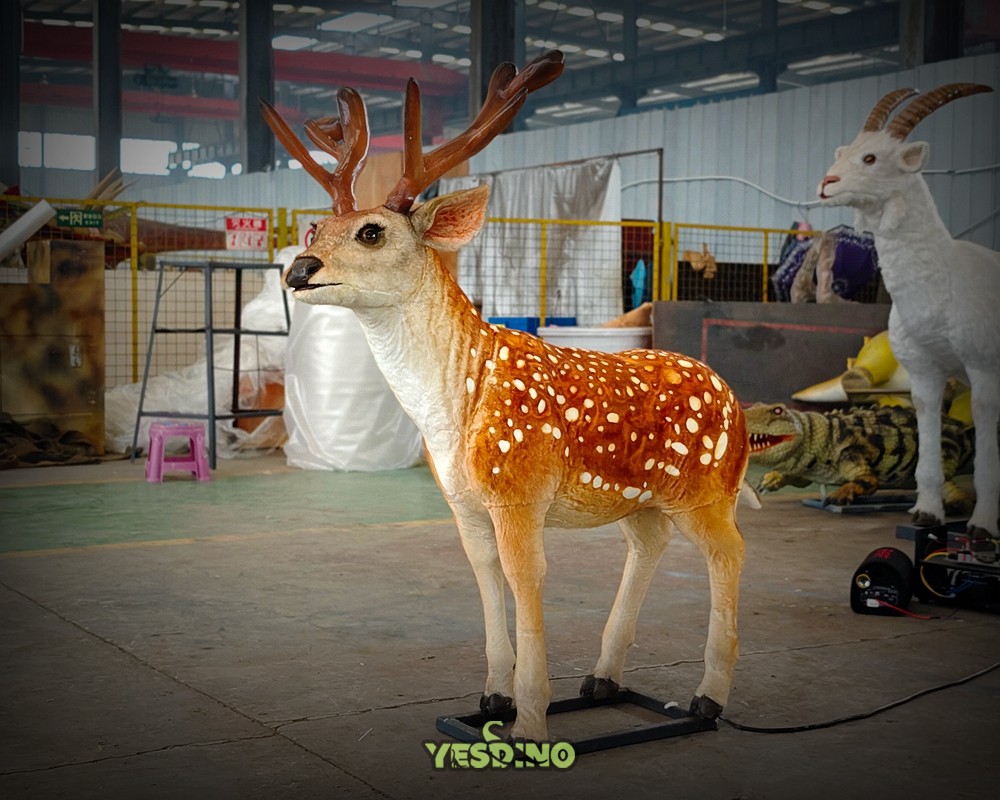
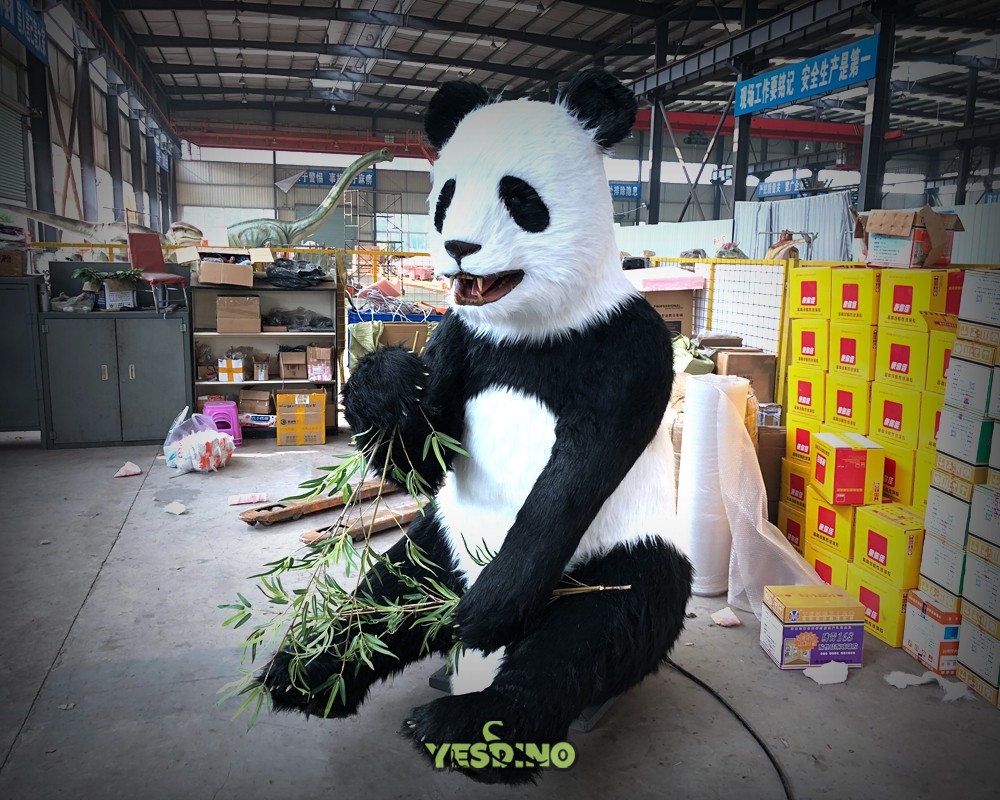
A selection from the range. If the species you need is not here, it can be sculpted from reference.
Frequently asked questions
What is an animatronic animal made of?
A welded steel frame, carved foam for volume, then either a fur build or a 5–7 mm silicone skin. Joints run on DC motors through a relay control board.
Can you copy a specific animal from photos?
Yes. Reference photos and the pose you want are enough to start; the sculpt is approved from drawings or a small model before production begins.
Which is better outdoors, fur or silicone?
Silicone. Fur holds water and mats, so fur builds are specified for indoor or covered positions. Outdoor mammals are possible in silicone, at the cost of the soft-fur read.
How long does a build take?
Design approval moves the date most, not workshop capacity. The lead time breakdown explains the stages.
Do you make insects and fantasy creatures as well?
Yes — insects, dragons and creatures with no real-world reference. See animatronic insects and animatronic dragons.
Can the animal be interactive?
Yes. A motion sensor, a handset or a button panel on the base are routine; the response can be a movement, a sound, or both.
What does the warranty cover?
Two years on the core electronics. Fur and skin are consumables with a documented care routine rather than a warranty item.
Can we visit the factory before ordering?
Yes. Start with the factory tour, then arrange a visit to see a build in progress.
Send the species, the pose and where it will stand
We will come back with what the build involves — surface, joints, base, access and the numbers — before anything is committed. Reference photos are more useful than a long email.