

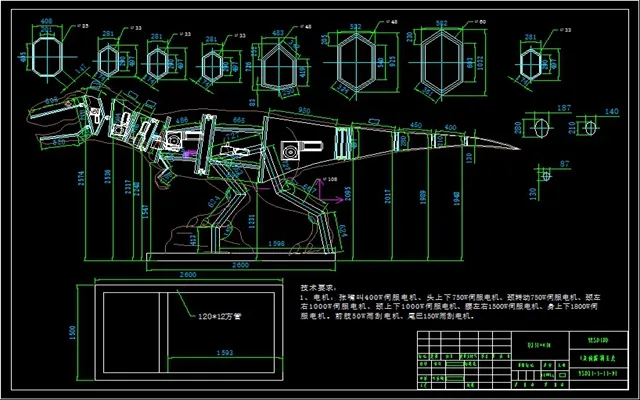
Species and scale
Real anatomy at an agreed magnification, with the mounting and the leg count fixed on the drawing.
Yesdino creates museum-quality animatronic animals & life-size robotic insects. Explore hyper-realistic giant insect models, robotic bugs, and animatronic arthropods for exhibits, films, or displays.
A giant insect is one of the few exhibits that stops people without a story attached. A beetle the size of a car reads as wrong in a way the brain cannot ignore, and children who will walk past a dinosaur skeleton will crouch down for a moving centipede. That reaction is the product. Everything else — the frame, the legs, the surface — exists to make the size believable at close range.
Dinosaurs are usually viewed from several metres away. Insects are viewed from half a metre, often with a phone held right up to them. That changes what has to be right: the joints between the segments, the surface of the eye, the setae on the legs, the way the mandibles meet. It also changes what can be hidden — there is nowhere to put a visible actuator on an animal designed to be inspected.
So the drives sit inside the body and the legs, and the leg motion is translated through linkages rather than a motor on each joint. That is more engineering than a tail wag and it is where most of the cost sits on any insect build.

Leg joints, mandibles and eye surfaces are the three places visitors look first. Those get the detail budget; the underside gets what it needs and no more.
| Mounting | What it suits | What the site needs | Movement that works |
|---|---|---|---|
| Floor / plinth | Beetles, spiders, centipedes — anything that reads from above | A level base, and a low rail if visitors can reach it | Leg wave, body lower and rise, mandibles, antennae |
| Wall mounted | Beetles and spiders shown as if climbing | A load-rated wall and a fixing plan; we supply the bracket design | Legs, mandibles; body motion limited to avoid working the fixings |
| Ceiling suspended | Butterflies, dragonflies, flying beetles | Suspension points and a safe working load from the venue | Wing motion; a slow drift if the rig allows it |
| Display case | Small insects in a museum or science-centre setting | A case with access for maintenance and ventilation | Antennae, mandibles, small body motion — quiet and close |
Swipe the table sideways on a phone.
Same workshop and same materials as the larger animals, at a much smaller scale and with far tighter tolerances on the joints.
Real anatomy at an agreed magnification, with the mounting and the leg count fixed on the drawing.
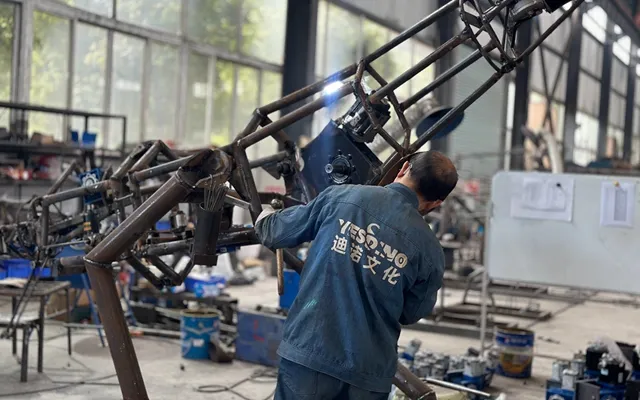
A light frame carries the drives; legs are built as linkages so the motion reads as a wave rather than as motors moving independently.
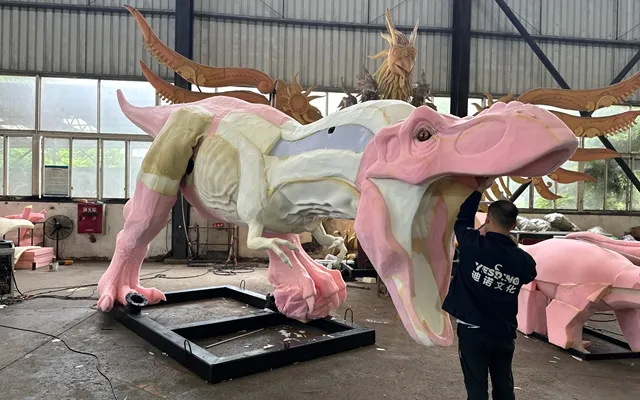
Head, thorax and abdomen are carved separately so the plate edges and the joints between them stay sharp at close range.
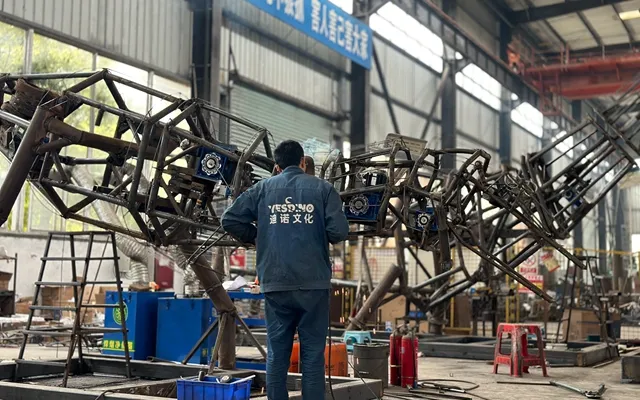
Small servos where the movement has to be precise — antennae, mandibles, wing base — with wiring run through the body rather than along it.
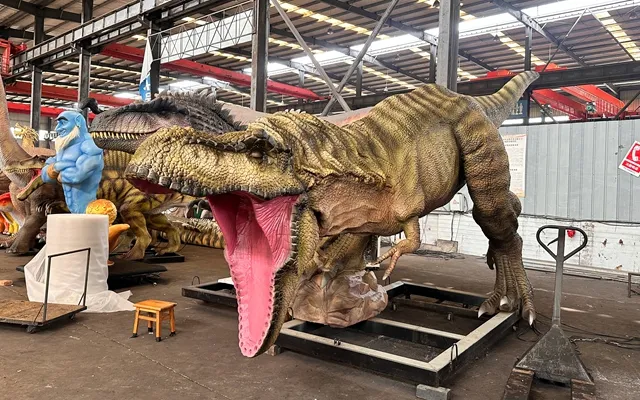
Shell colour is built in layers, with the gloss or matt finish matched to the species. Eyes are separate parts with their own surface.
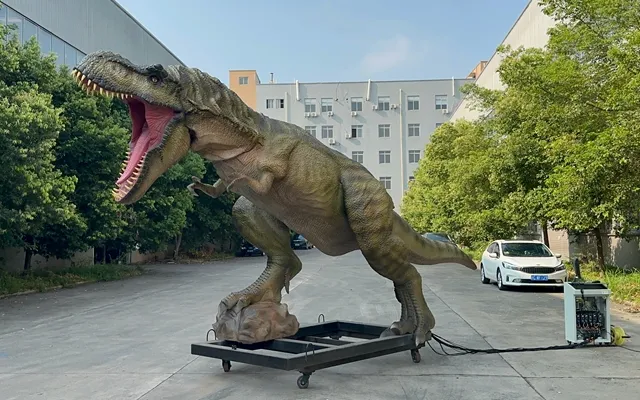
The leg wave, the mandibles and the startle reaction are timed together, then the loop is run until it stops looking mechanical.
The leg count and the surface are the two biggest drivers, then the mounting. A beetle with six legs and simple motion is the cheapest build we make in this range; a centipede with a travelling leg wave is the most expensive, because the mechanism repeats down the body. Send the species and the size and we quote it.
Yes for short seasonal installations, with a sealed control cabinet and a UV-stable topcoat. The parts that suffer are the joints and the eyes, so outdoor units are specified with those protected. For permanent outdoor display, a static sculpture is usually the more sensible buy.
These are built to be viewed from close range, so there is no minimum distance — but anything within reach needs a rail or a case, for the exhibit's sake rather than the visitor's. Tell us the viewing distance and we put the detail budget where it will be seen.
Yes. Send several angles and a size reference. For insects the identifying details are the pronotum shape, the leg spines and the mandibles, so those are the photographs that matter most.
Yes, and it often works better than a single large figure — a group of smaller units fills a case or a wall and reads as a colony rather than a specimen. Each unit can run the same loop with a different offset so they do not move in unison.
Tell us the species, the size you want it at, whether it stands, climbs or hangs, and how close visitors will get. We will come back with a drawing and a written quotation.