
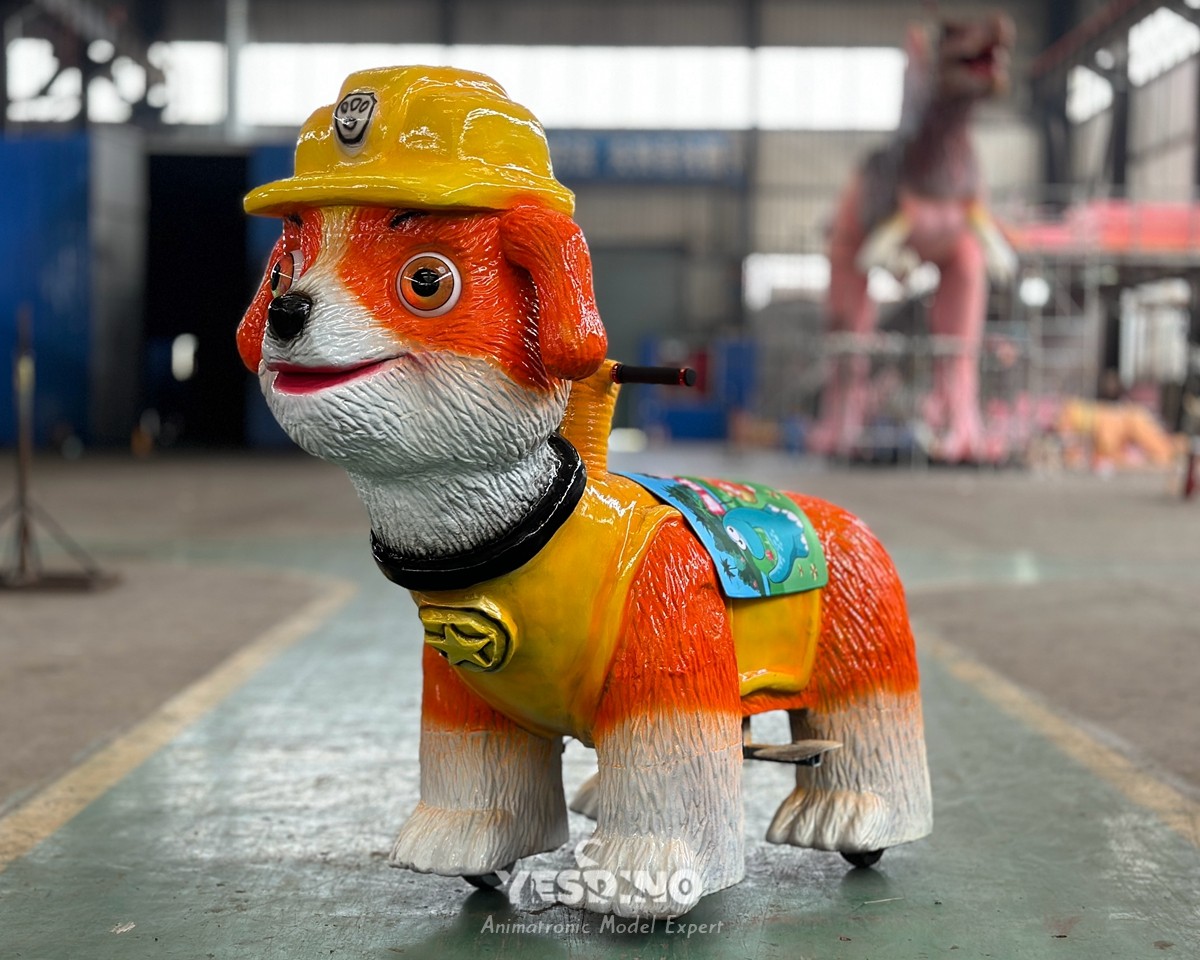
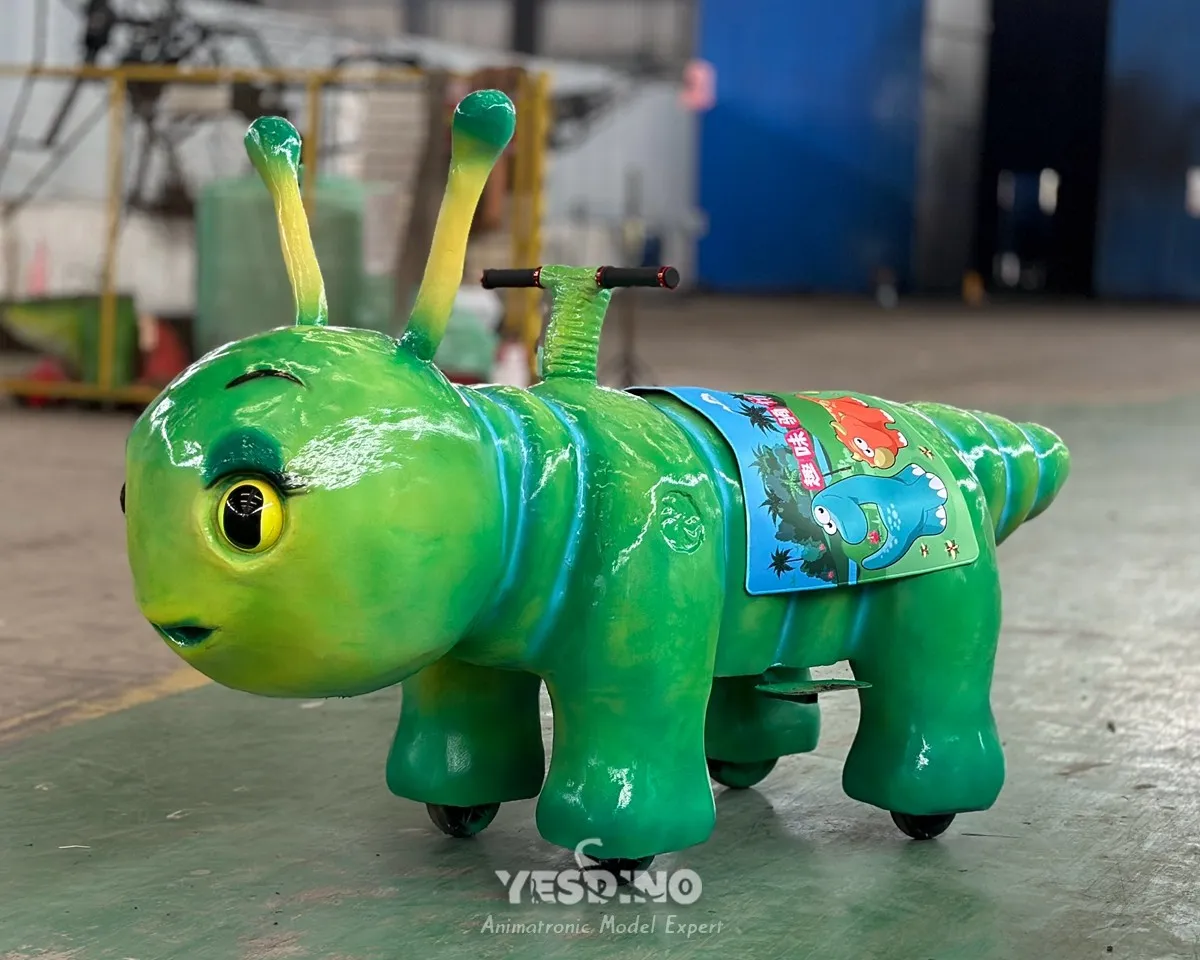
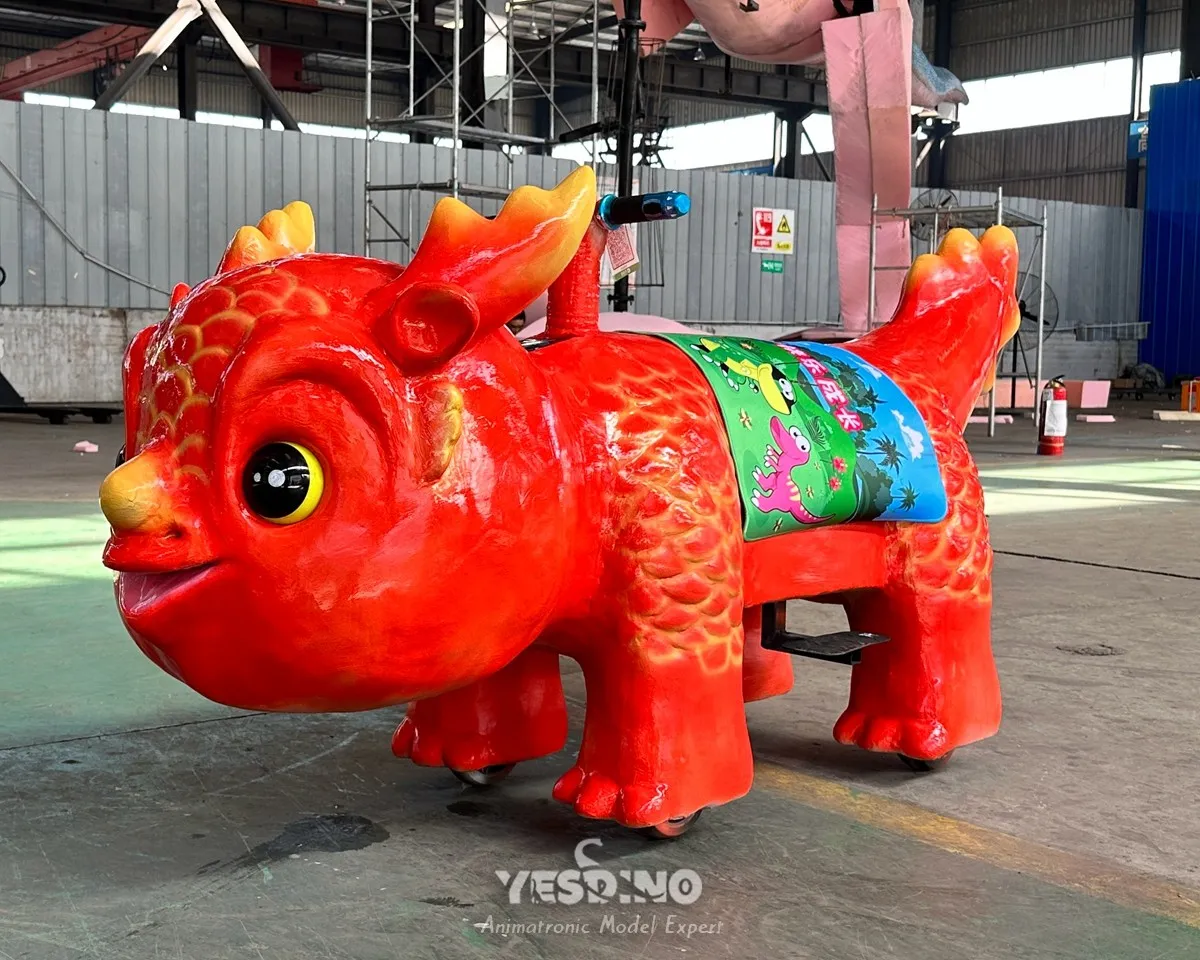
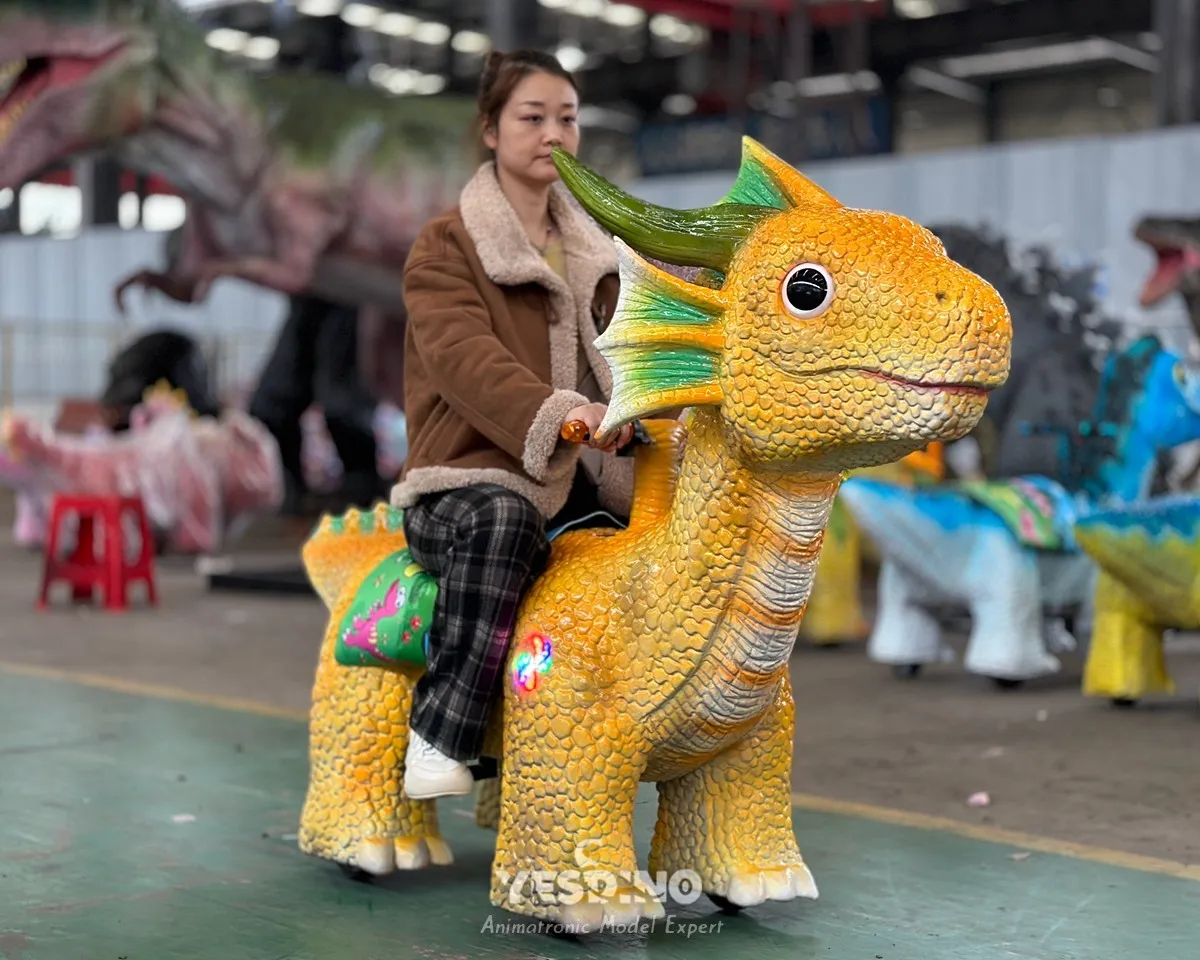
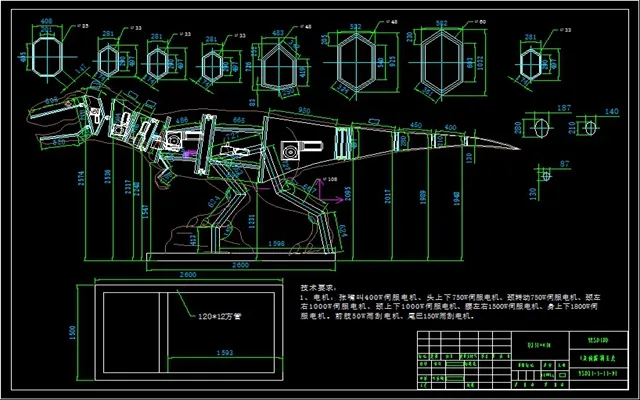
Shell on a chassis
The chassis, seat position and battery location are fixed first, then the shell is drawn around them so nothing has to be forced in later.
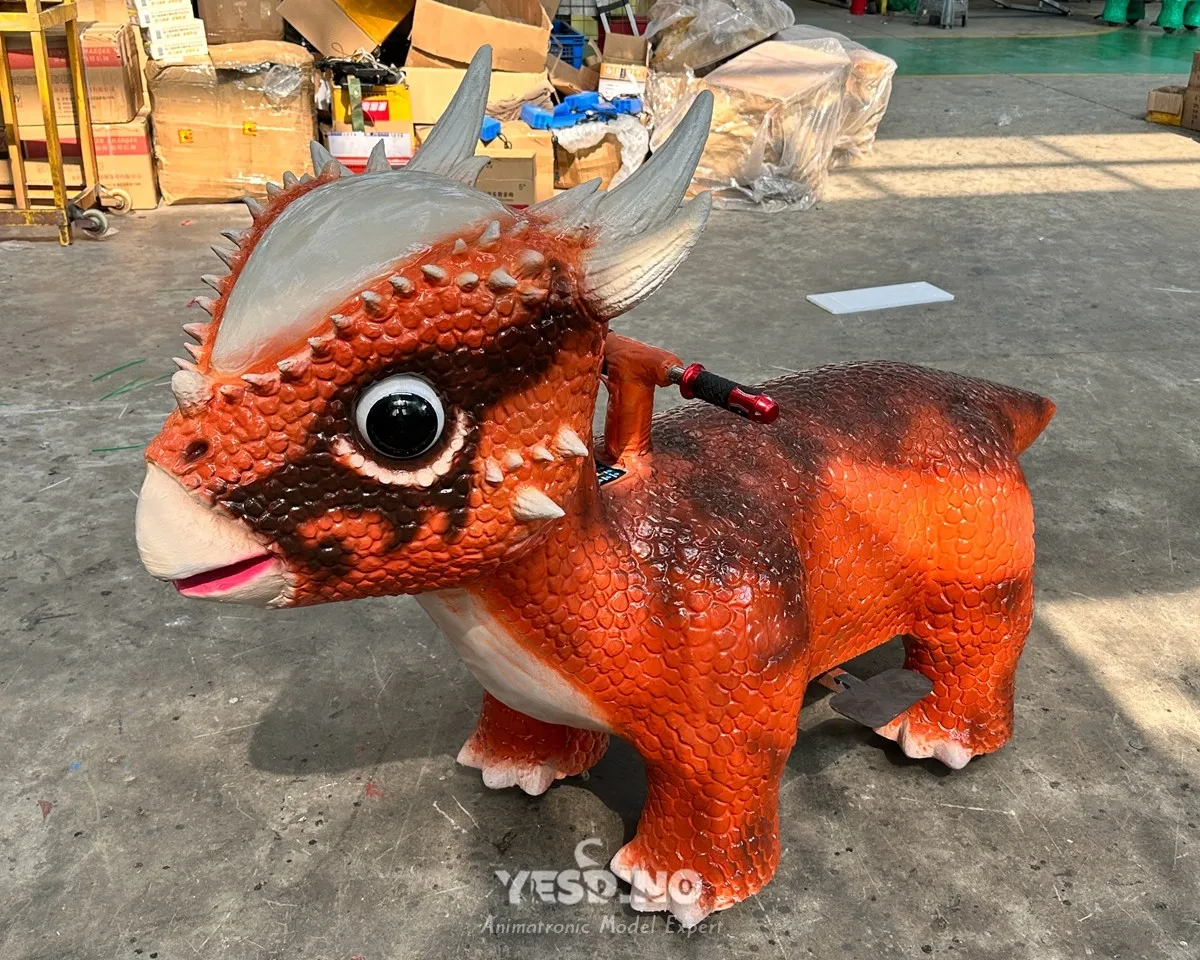
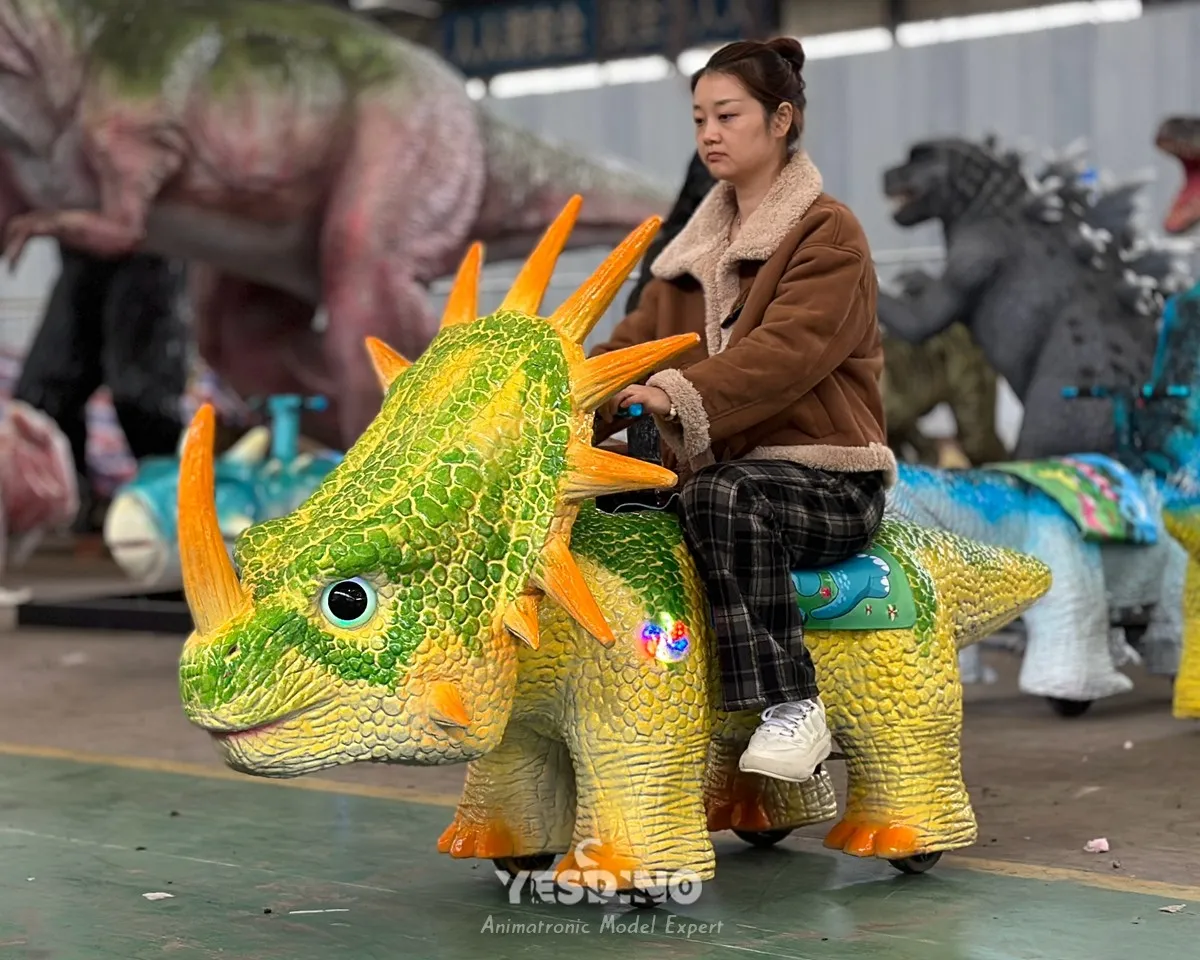
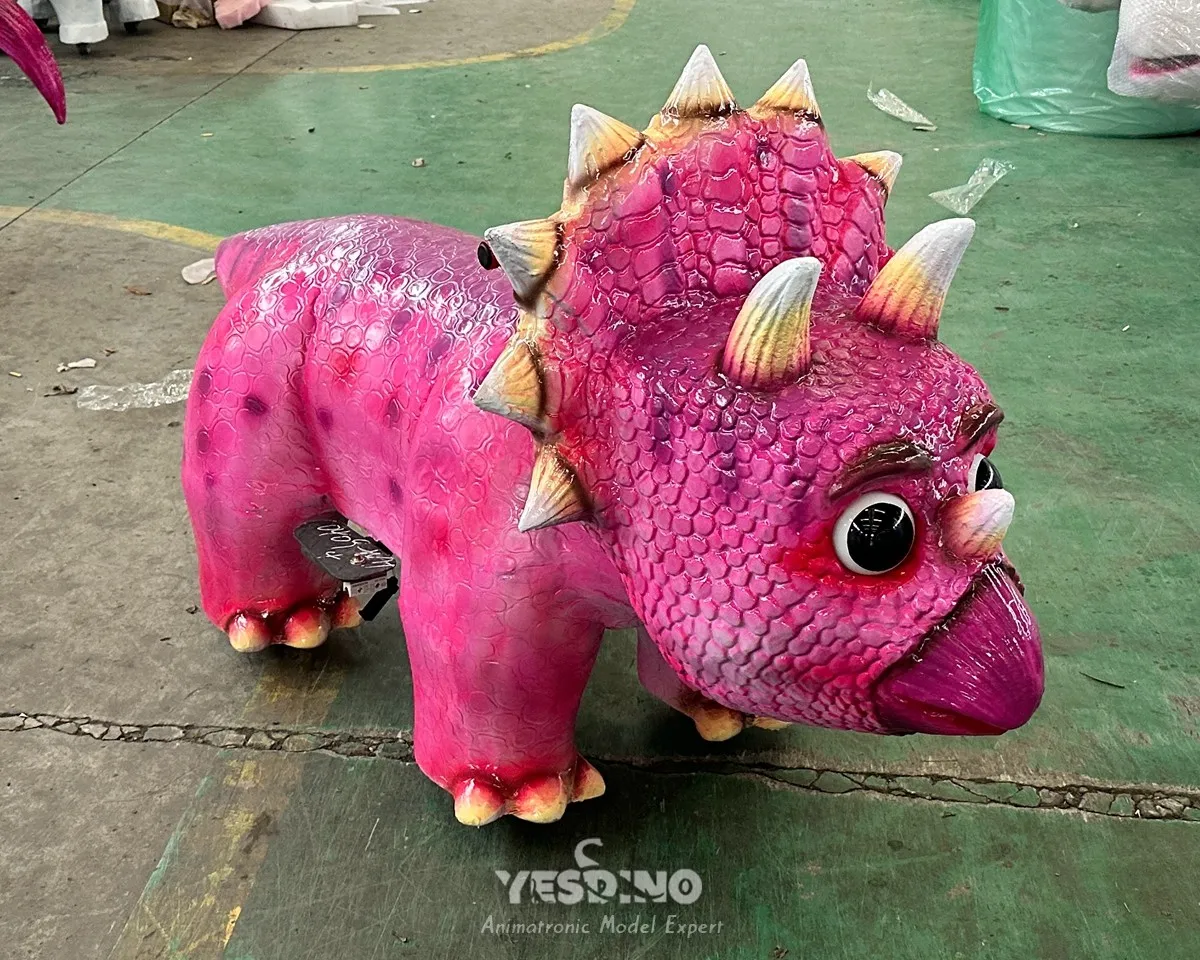
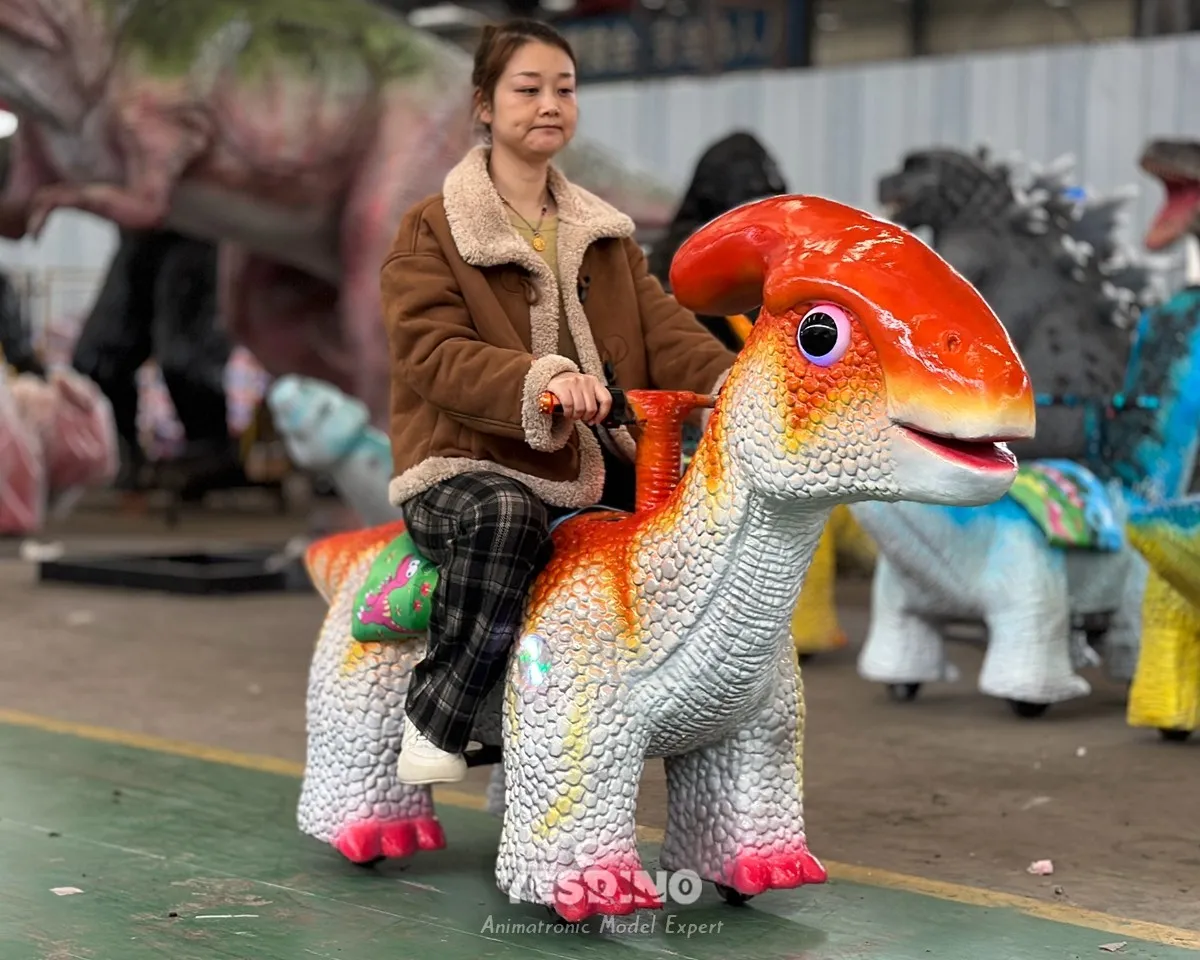
The Dinosaur Electric Car is a hot entrepreneurial tool for making money. We have combined traditional electric vehicles with adorable dinosaur designs to create an extremely attractive product. Featuring exquisite dinosaur exterior design, it has been artfully processed to become even cuter and easier to use, suitable for children of all ages. Visitors only need to insert coins or make cash payments to activate the dinosaur car, allowing them to ride freely in open spaces. The car is equipped with a timer function, typically around 5 minutes, and automatically stops after the ride, ensuring safety. This electric car is not only loved by children but also welcomed by parents, who see it as a great way for kids to exercise and cultivate independence. The children riding the dinosaur electric car is an ideal project for small entrepreneurs as it can attract a large number of visitors, bringing substantial profits to entrepreneurs.
This is a small electric vehicle inside a dinosaur shell, bought by people who intend to charge for rides: a mall, a park, a family entertainment centre, a resort. That framing decides everything about the build. A toy is judged on the day it is opened. A ride-on car is judged on how many sessions it completes before something needs fixing, and on whether the person running it can start and stop it without thinking.
The first is coin or token operated: the rider pays at the machine, a timer runs the session, and the car stops itself at the end. It works where there is no attendant and the floor is visible from a till. The second is attended: someone hands out rides, controls the session and keeps the queue moving. That model earns more per hour in a busy venue because the attendant can shorten a session and fill the seat again.
Which one you need changes the electronics — a timer and coin acceptor, or a simple start and stop with a remote. It also changes the shell: unattended units get a heavier bumper and a lower shell so the plastic takes the contact rather than the chassis.
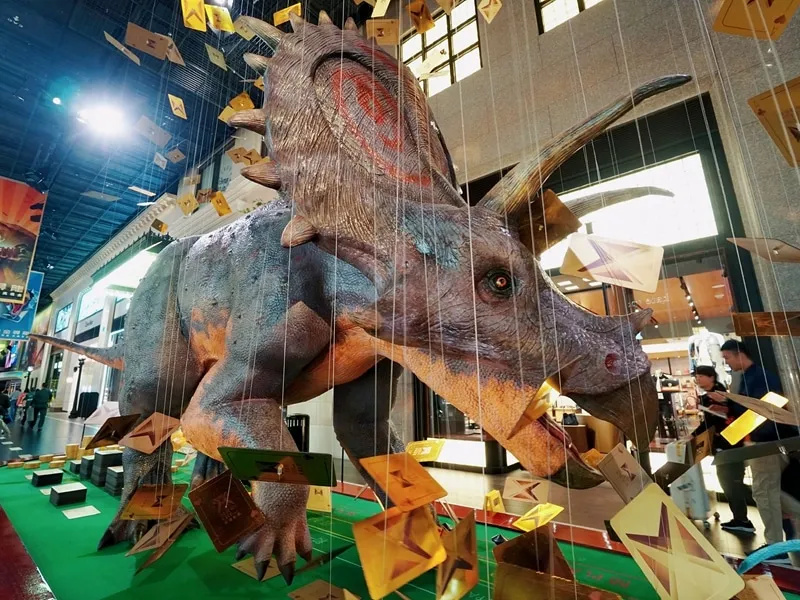
Shell, bumper height and wheel type are specified for the surface it runs on — polished mall tile, paved park path or a rubberised indoor track all take a different setup.
| Product type | Battery ride-on car in a dinosaur shell |
|---|---|
| Shell | FRP or moulded polymer over the chassis, held on removable fixings |
| Chassis | Welded steel sub-frame with the drive and battery mounted low |
| Drive | Electric motor on the rear axle; speed limited by controller setting |
| Battery | Rechargeable pack, swappable, with an external charge point |
| Control | Coin/token timer, or attendant start-stop with a remote |
| Sound and light | Music and lighting on the session, volume capped for indoor use |
| Seating | One or two children, with the seat and footrest sized to the shell |
| Surface | Set for polished tile, paved path or indoor track |
Swipe the table sideways on a phone.
Speed, session length and rider capacity are configured to what your market allows and what your insurer asks for. Tell us the country at the brief stage and those three are set before the unit is built, because they are not all changeable afterwards.
The routine that keeps these units earning is short: check the tyres and the bumper before opening, charge on a fixed schedule rather than when it runs flat, and keep one spare pack so a swap does not end the day. The shell comes off on removable fixings, which is what makes a chassis repair a same-day job rather than a return.
Consumables are the tyres, the bumper strip, the seat covering and the battery pack. Those ship as a spares kit; everything else is a scheduled check rather than a wear item.
The chassis, seat position and battery location are fixed first, then the shell is drawn around them so nothing has to be forced in later.
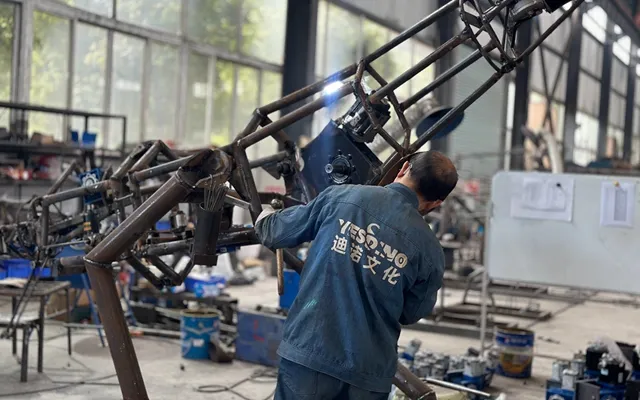
Steel sub-frame welded to the drawing, drive mounted low for stability, and the battery positioned so the unit stays balanced with a rider in the seat.
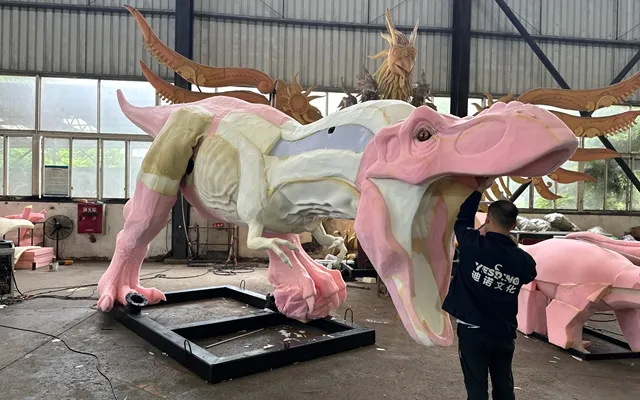
The dinosaur shape is sculpted and moulded so the rider sits inside the animal rather than on top of it — which is what makes the ride look right in photographs.
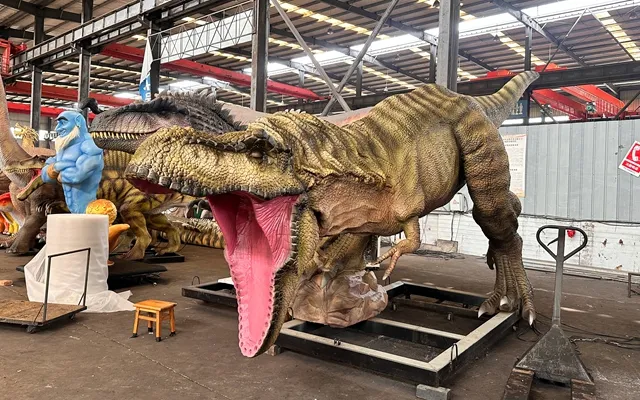
Colour, eyes and trim, with a bumper strip at the contact line and a wipe-clean finish on the surfaces children touch.
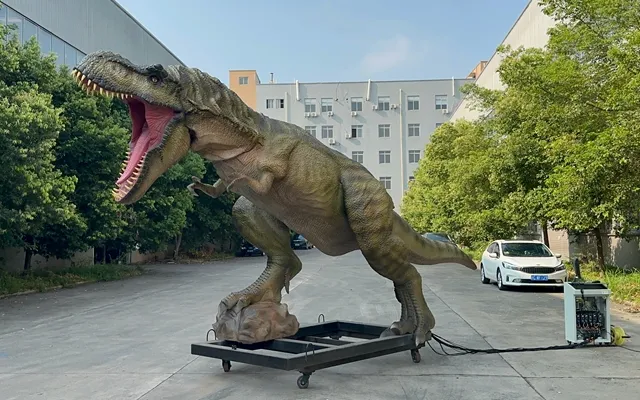
Session timer, speed limit, sound level and charge cycle are set to your site, then the unit is run through a full working day before it ships.
Shell style, seating capacity, coin-op versus attended control, and the battery configuration move the price. Volume matters too — most operators start with one unit and add a second once the queue proves the location, and the second unit is quoted against the first.
Commercial. It is built to run sessions all day with a paying rider, and specified for the surface and the market it operates in. That is a different build from a retail ride-on toy, even where the two look similar in a photograph.
It depends on the pack, the run length and how hard the unit is worked, so we size it to the working day you describe rather than quoting a fixed number of hours. Most operators run two packs and swap at a fixed point in the day rather than waiting for the unit to go flat.
Yes — polished tile is the most common surface for these. It is specified with the wheel type and bumper height for that floor, and with the sound level capped. Check the venue's own rules on ride-on attractions before ordering; some centres require an attendant regardless of the machine.
Tyres, bumper strip, seat covering and one spare battery pack. Those four cover almost every interruption. The kit ships with the unit and replacements are available afterwards.
Send the venue type, the surface, the run length available, the country, and whether you want coin-op or attended control. We will come back with a configuration and a written quotation.