

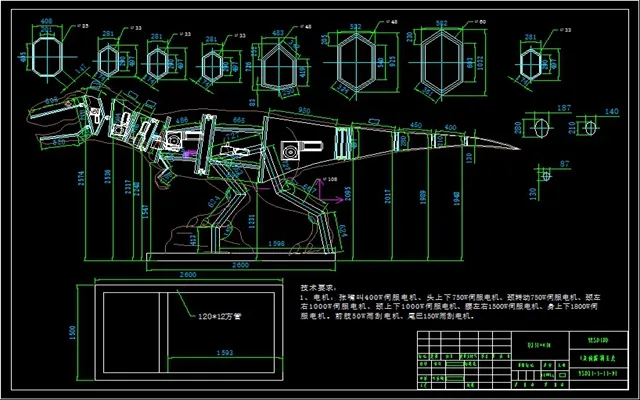
Proportion drawing
Head, body and arm entry are drawn against the user's arm length so the puppet balances at the wrist.
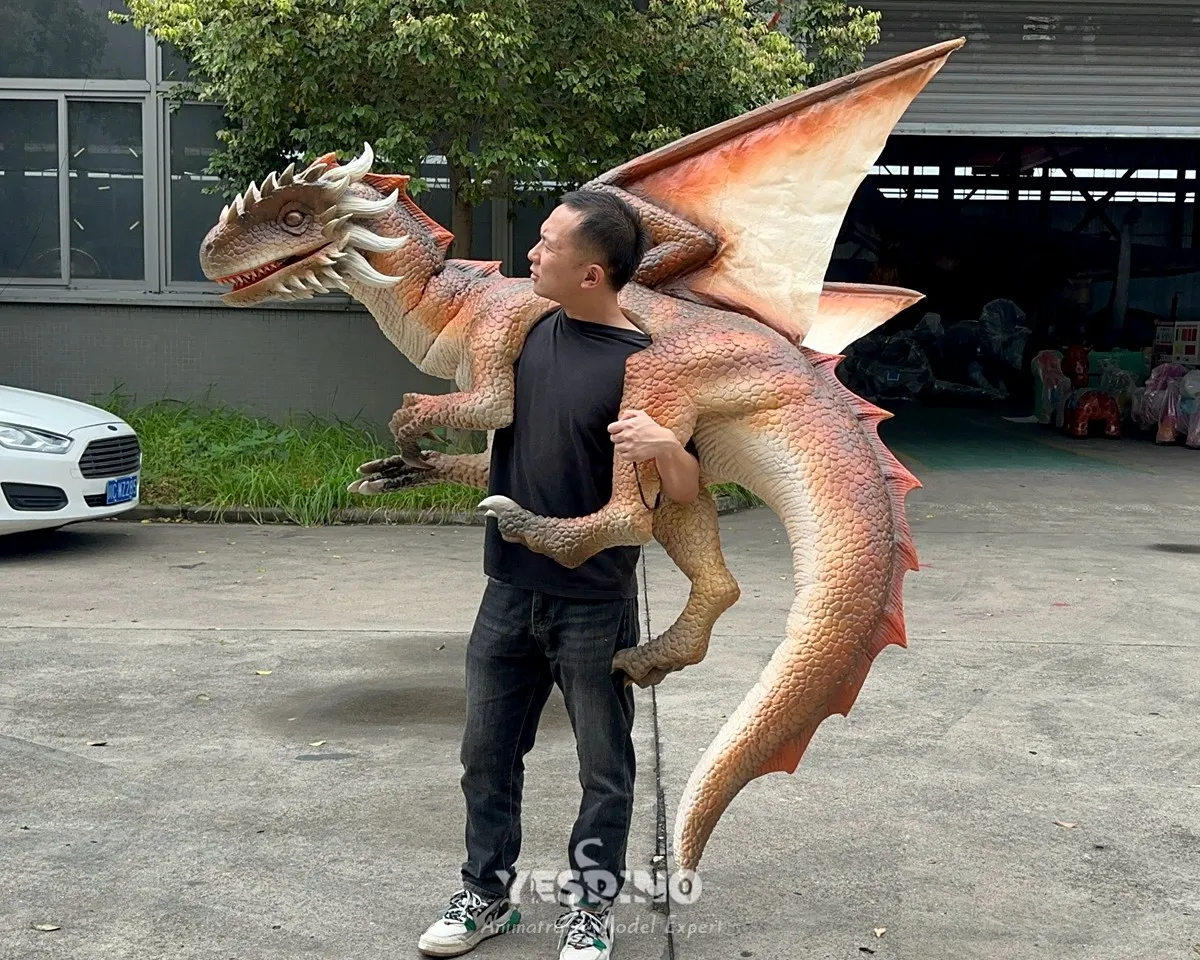
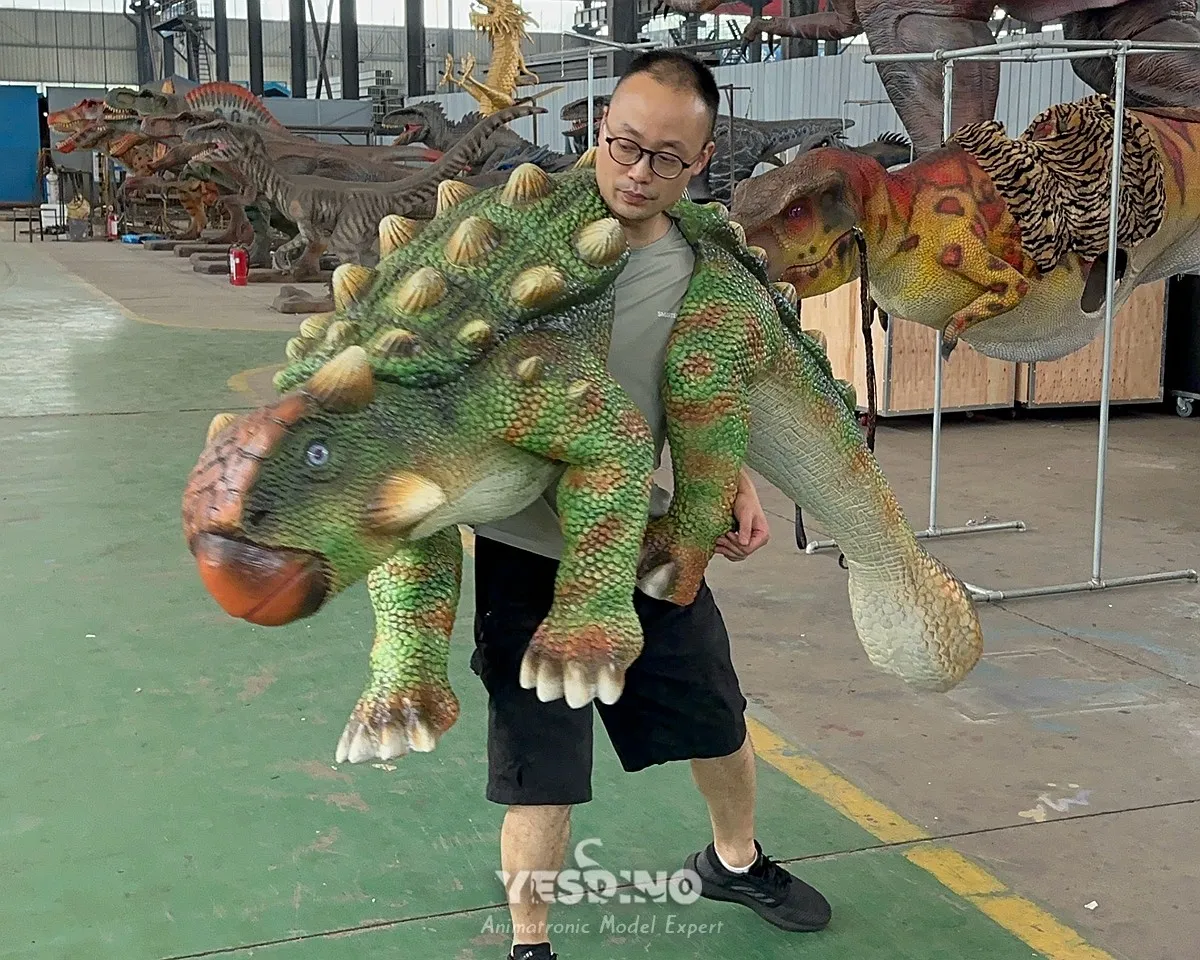
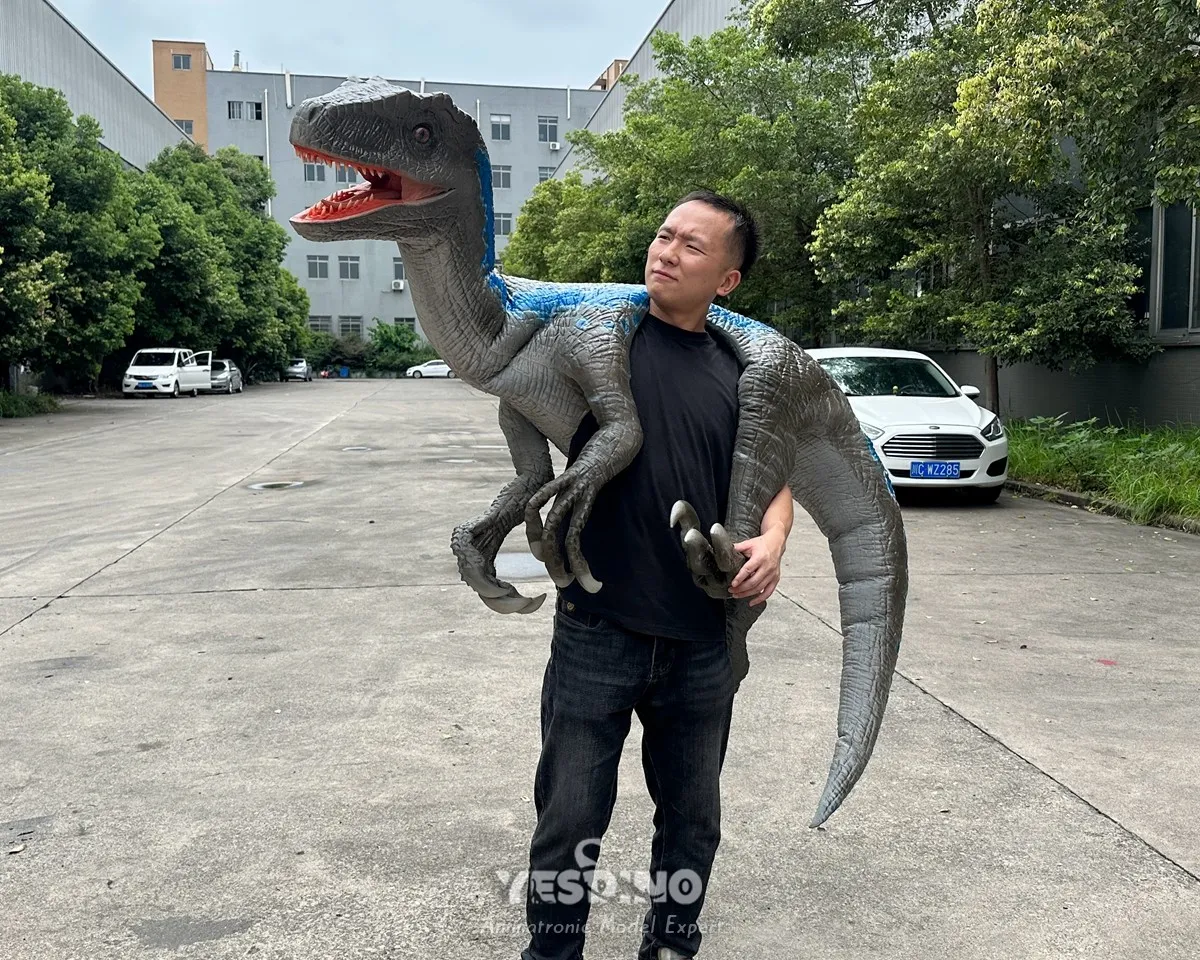
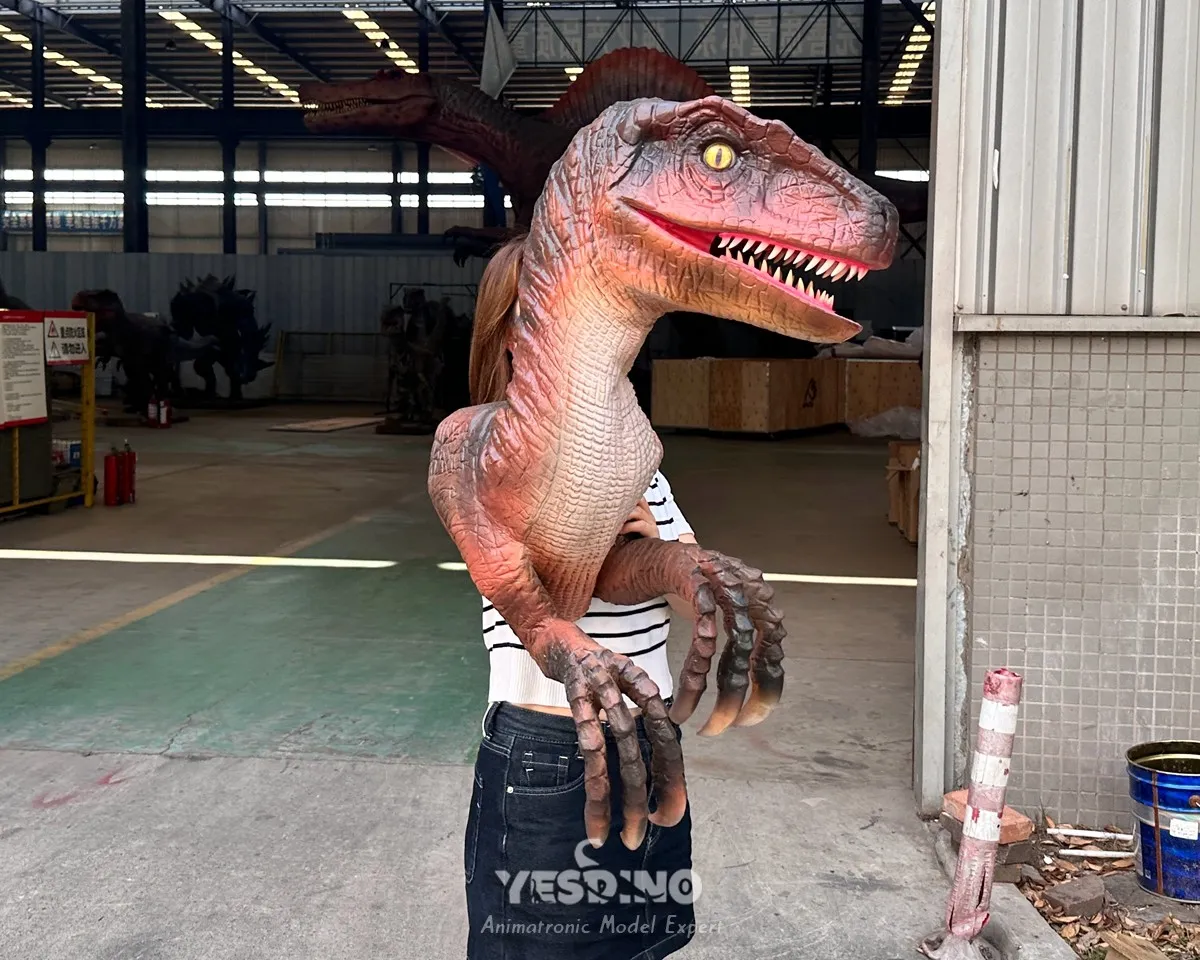
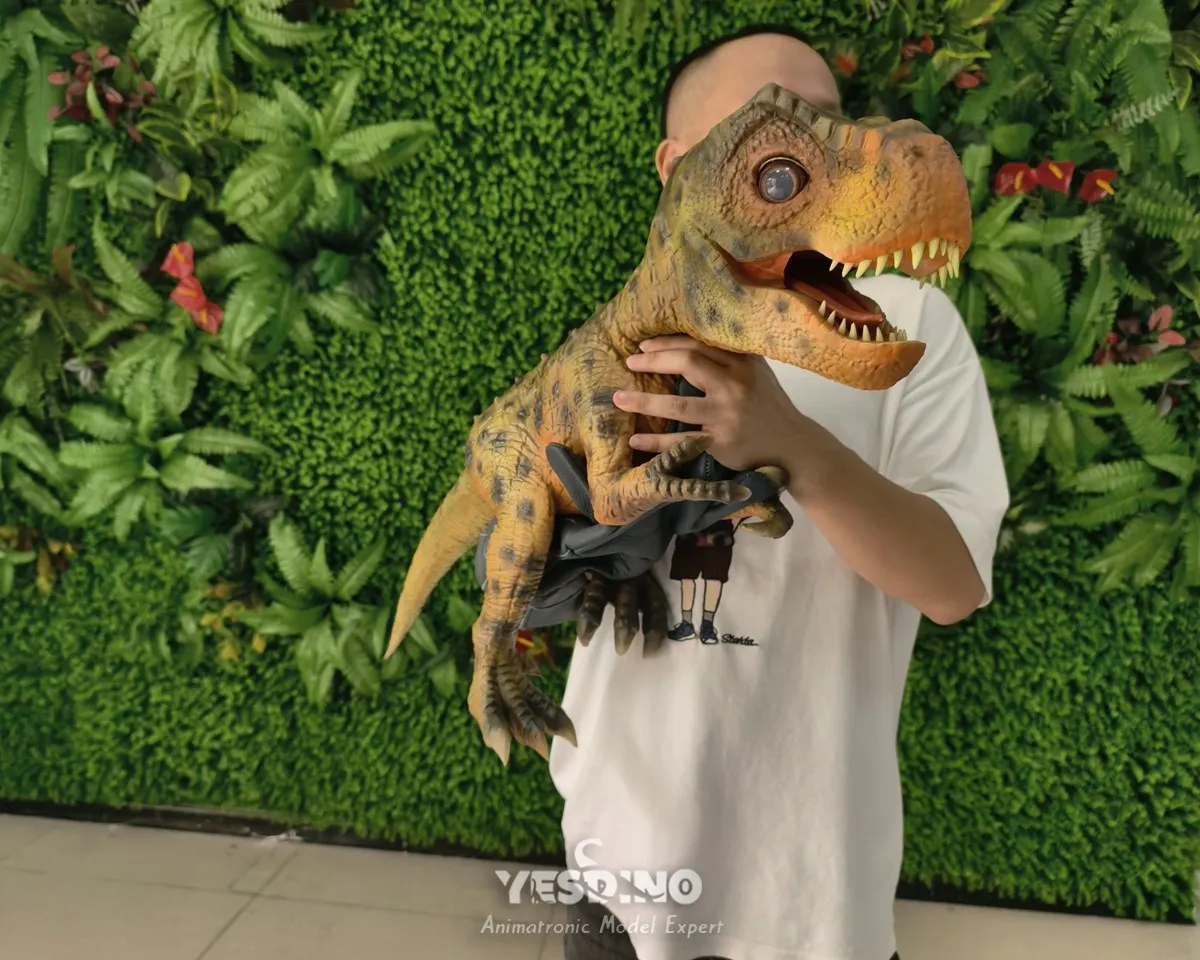
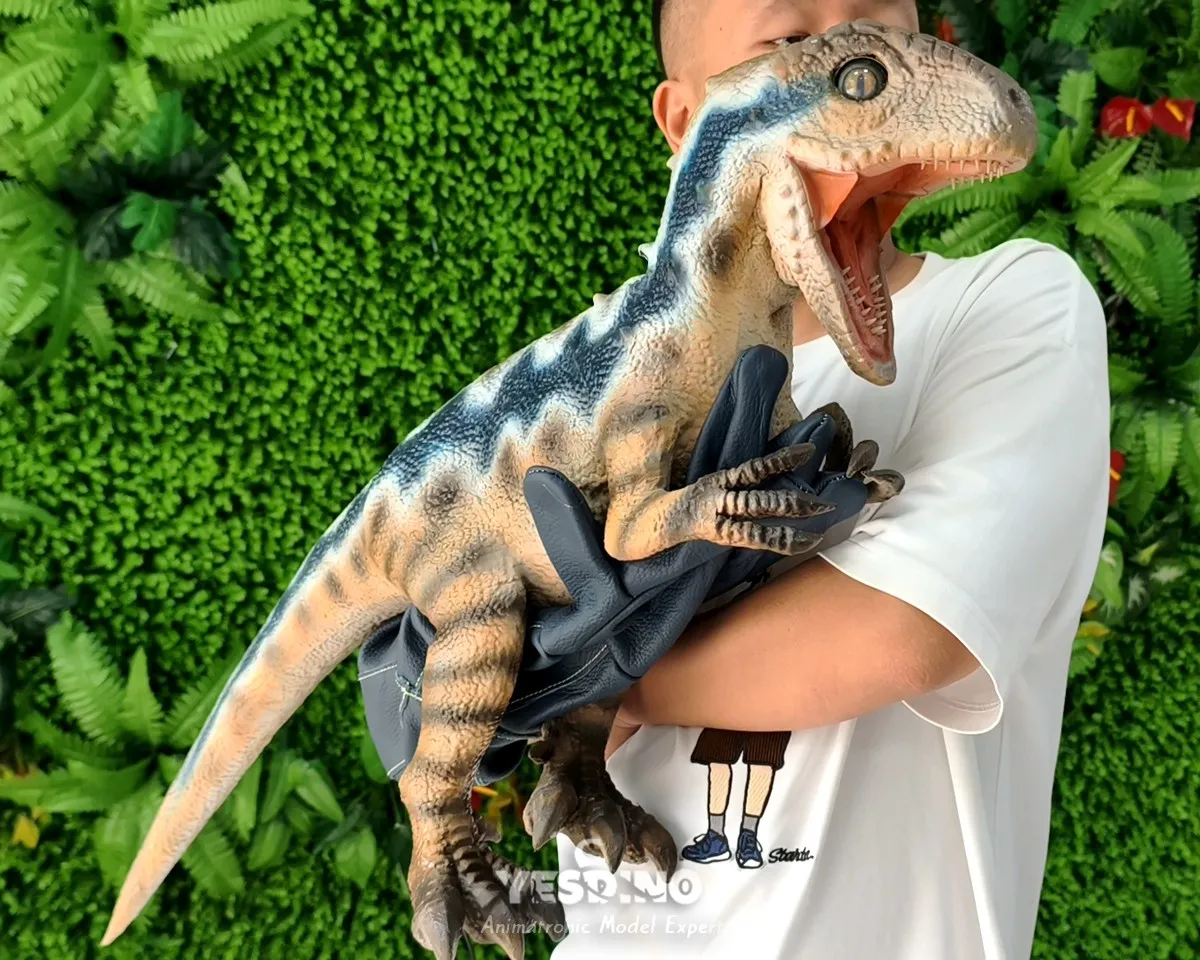
Dinosaur hand puppets can be classified into two types: handheld puppets and shoulder-mounted puppets. Shoulder-mounted puppets are typically designed to resemble carnivorous dinosaurs, hence they are larger in size and can be shouldered for performances, requiring a relatively larger performance space. On the other hand, handheld puppets are smaller in size and can be worn on the arm for performances. Both types are highly popular and in-demand products. Whether you prefer the adorable and cute Stegosaurus, the gentle and lovable Ankylosaurus, or the agile and mischievous Velociraptor, you can find your own exclusive dinosaur companion here. We have a wide range of dinosaur puppets, including Triceratops, Tyrannosaurus rex, Parasaurolophus, Stegosaurus, Velociraptor, Spinosaurus, and Brachiosaurus, which are well-known dinosaur species. Additionally, we offer unicorn, Western dragon, chameleon, and cartoon dinosaur options for you to choose from.
There are two products under this name and they are not interchangeable. A handheld puppet sits on one arm: the hand works the mouth and the head, the body hangs, and the puppeteer stands behind a table or a low screen. A shoulder-mounted puppet is worn like a half-costume — the head and neck rise above the performer, one hand works the jaw from inside, and the performer can walk through a room while wearing it. Choose the wrong one and the act does not work, however good the puppet is.
| Type | How it is worked | Where it performs | Typical buyer |
|---|---|---|---|
| Handheld puppet | One arm in the body; fingers work the jaw and the head | Behind a table or screen, close to the audience, in a circle or classroom | Schools, museums, libraries, storytellers, resellers |
| Shoulder-mounted puppet | Worn on one shoulder; one hand works the jaw; the performer's other arm is free | Walkabout, stage, meet-and-greet, photo moments | Performers, events companies, museum programming, attractions |
Swipe the table sideways on a phone.
The handheld version is the better teaching tool, because it can be passed around and the audience sees the mechanism's effect at a distance of a metre. The shoulder version is the better performance tool, because the puppet is at adult head height and can look a room in the eye.
Everything else depends on this. The hinge has to be soft enough to move with finger pressure and firm enough to hold a closed mouth without the puppeteer holding it. On our builds it is a shaped foam cheek with a fabric hinge, not a mechanical joint — a mechanical jaw at this size sounds and looks wrong.
The eyes have to sit forward and slightly wide, or the puppet reads as a mask. This is the single most common fault in a cheap dinosaur puppet, and it is not fixable afterwards.
A puppet that is heavy at the head cannot be worked for long. The body is hollow, the head is built light, and the balance sits at the wrist so the arm does not have to hold against gravity.
Fabric with a silicone face, or full silicone where the puppet has to look wet or scaly. The silicone face version holds shape better under stage light but is heavier and costs more.
Anything used with children gets handled hard. The hand entry opens wide enough to turn the lining out, and the face wipes without taking the finish off.
A puppet built for an adult's arm is unwieldy for a nine-year-old. If the audience will handle it, tell us — we build a smaller version rather than one that has to be used carefully.
The species determines the movement language. A T-Rex puppet wants a slow head turn and a deep jaw drop; a raptor wants quick, small movements and a held stare; a baby dinosaur — the most requested build for education — wants a wide head tilt and a soft mouth, because its job is to be approachable rather than threatening.
We build T-Rex, Velociraptor, Triceratops, Stegosaurus, Brachiosaurus, Pteranodon and hatchling versions, plus custom species. Hatchlings are the ones that work best with young children: the proportions are already friendly, so the puppeteer does not have to work against the design.
| Product type | Handheld or shoulder-mounted dinosaur puppet |
|---|---|
| Species | T-Rex, Velociraptor, Triceratops, Stegosaurus, Brachiosaurus, Pteranodon, hatchling, custom |
| Working | One arm in the body; fingers work jaw and head |
| Body | Hollow foam over a light internal frame |
| Face | Moulded silicone face on a fabric or silicone body |
| Jaw | Shaped foam cheek with fabric hinge, held closed by the moulding |
| Finish | Hand-painted, with a wipe-clean surface on the face |
| Options | Shoulder mount, sound module, spare face, carry bag |
Fewer stages than a full animatronic, and a much shorter schedule — but the same sculptors and the same paint system, which is why a puppet can sit next to a life-size model and still match it.
Head, body and arm entry are drawn against the user's arm length so the puppet balances at the wrist.
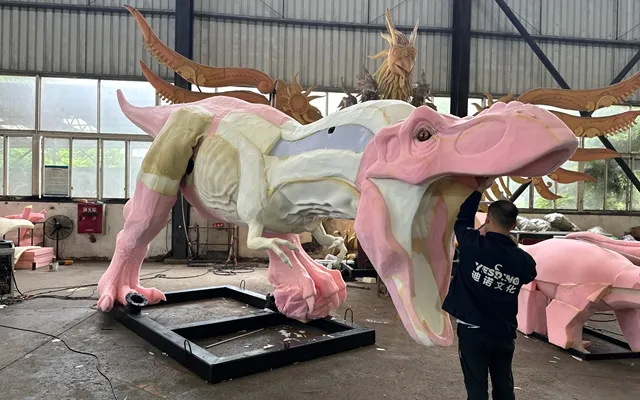
The head is carved hollow with the jaw hinge built into the cheek, then the eye position is checked from the audience's side.
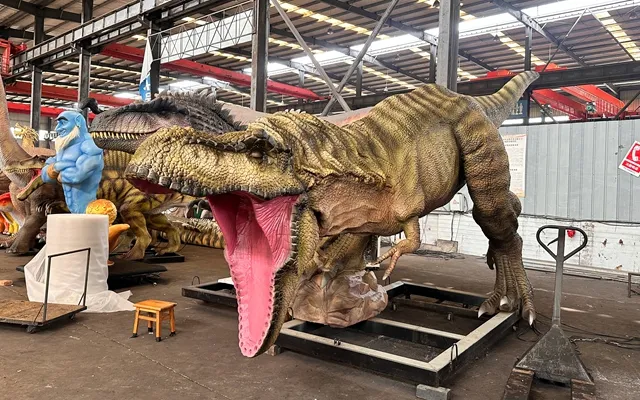
The silicone face is moulded and painted, the body is finished to match, and the surface is sealed so it can be wiped between sessions.
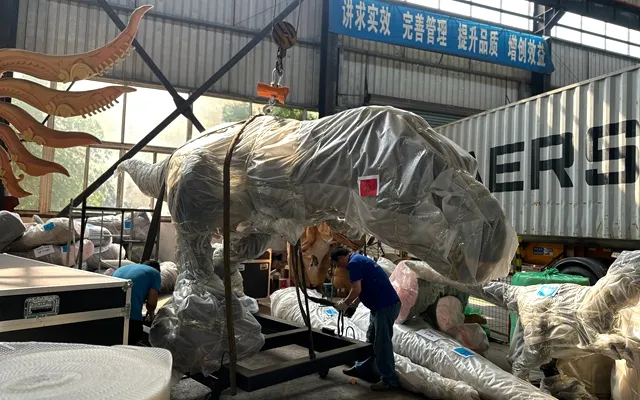
Jaw travel, weight and balance are checked with an arm inside, then the puppet is packed flat with a carry bag for the ones that travel.
Size, species and whether the face is moulded silicone or fabric are the three drivers. A shoulder-mounted puppet costs more than a handheld one of the same species because the body has to carry its own shape above the performer. Volume orders are quoted per unit.
A hand puppet is worn on the arm and worked from behind a table; a shoulder puppet is worn on the shoulder and the performer walks with it. If the act requires moving through a room, it has to be the shoulder version.
Yes, if the puppet is built to their size. Tell us the user's age and arm length and we build a smaller version — a full-size puppet handed to a child ends up being dragged by the head.
Yes. For repeat orders we keep the pattern and the paint recipe so units match each other over time, which matters if a museum is buying a set across two budgets. Mixed species sets are common.
The face wipes with a damp cloth and mild detergent; the body surface is sealed for the same treatment. The hand entry opens wide enough to turn the lining out to dry. They are not machine washable, and the silicone face should not be left in direct sun.
Send the species, whether the performer needs to walk with it, the user's age or arm length, and how many units you need. We will come back with sizes, a price per unit and a sample schedule.