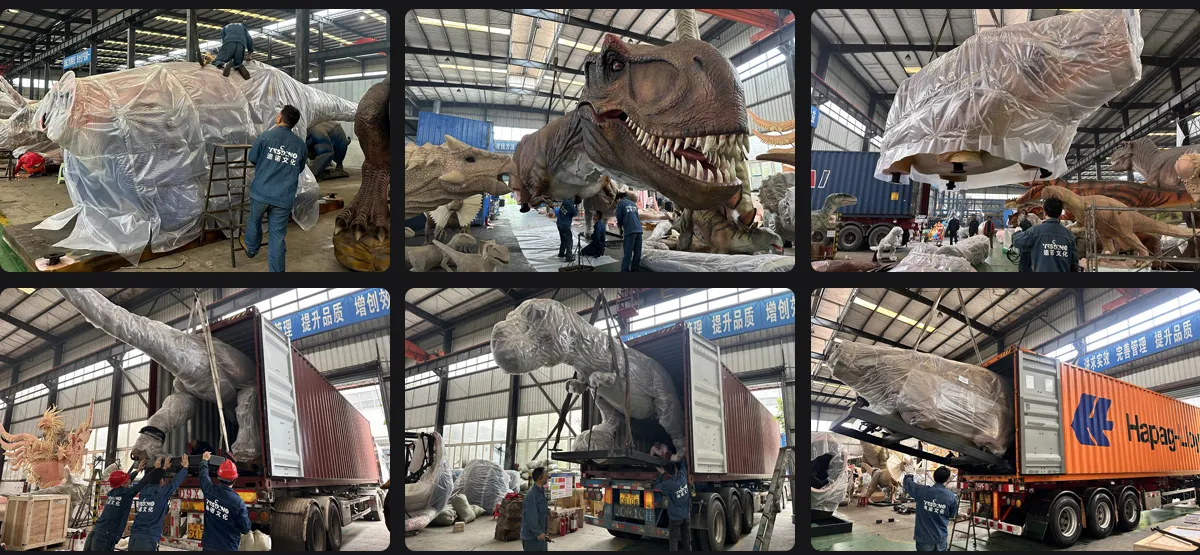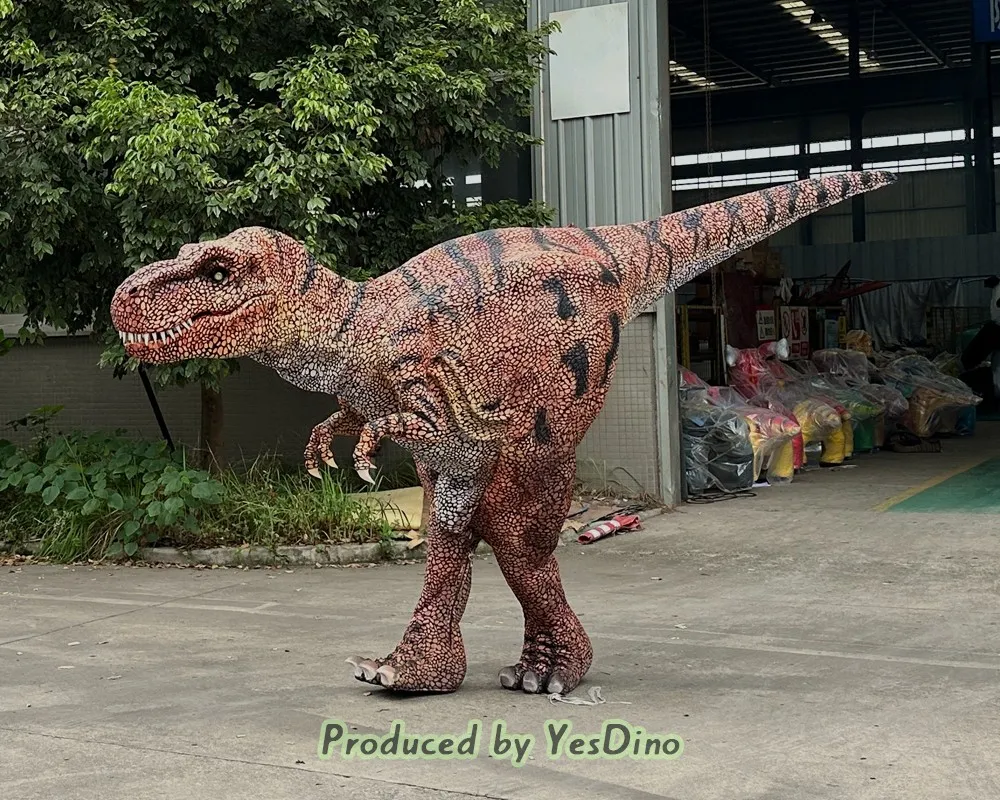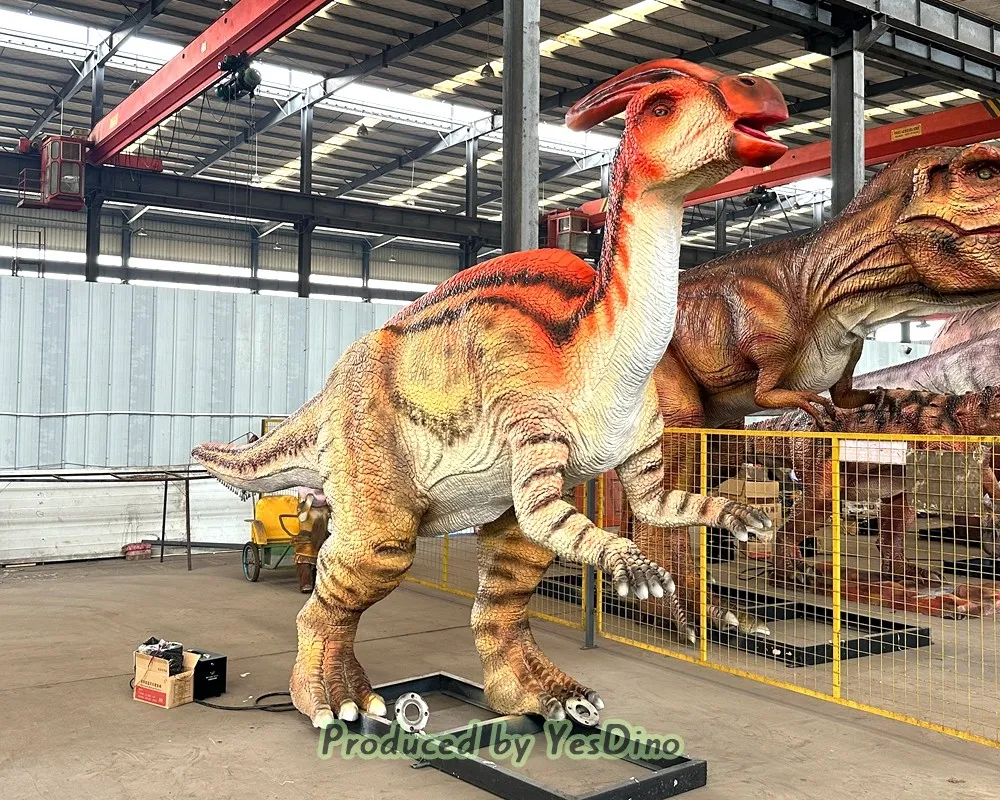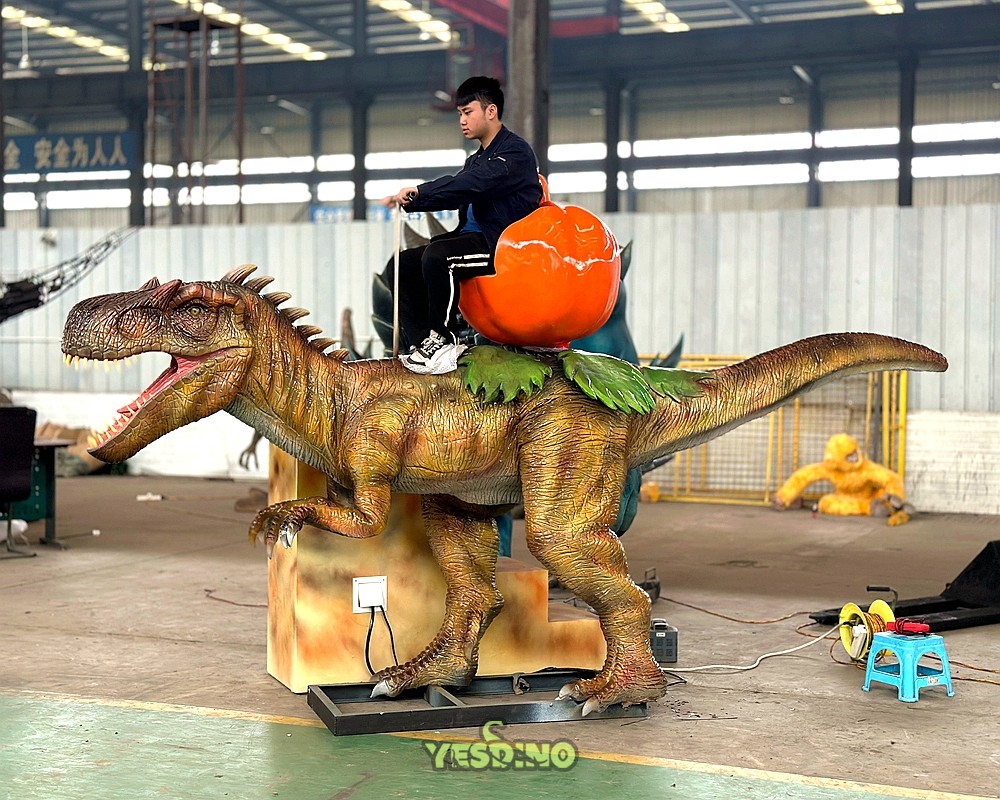
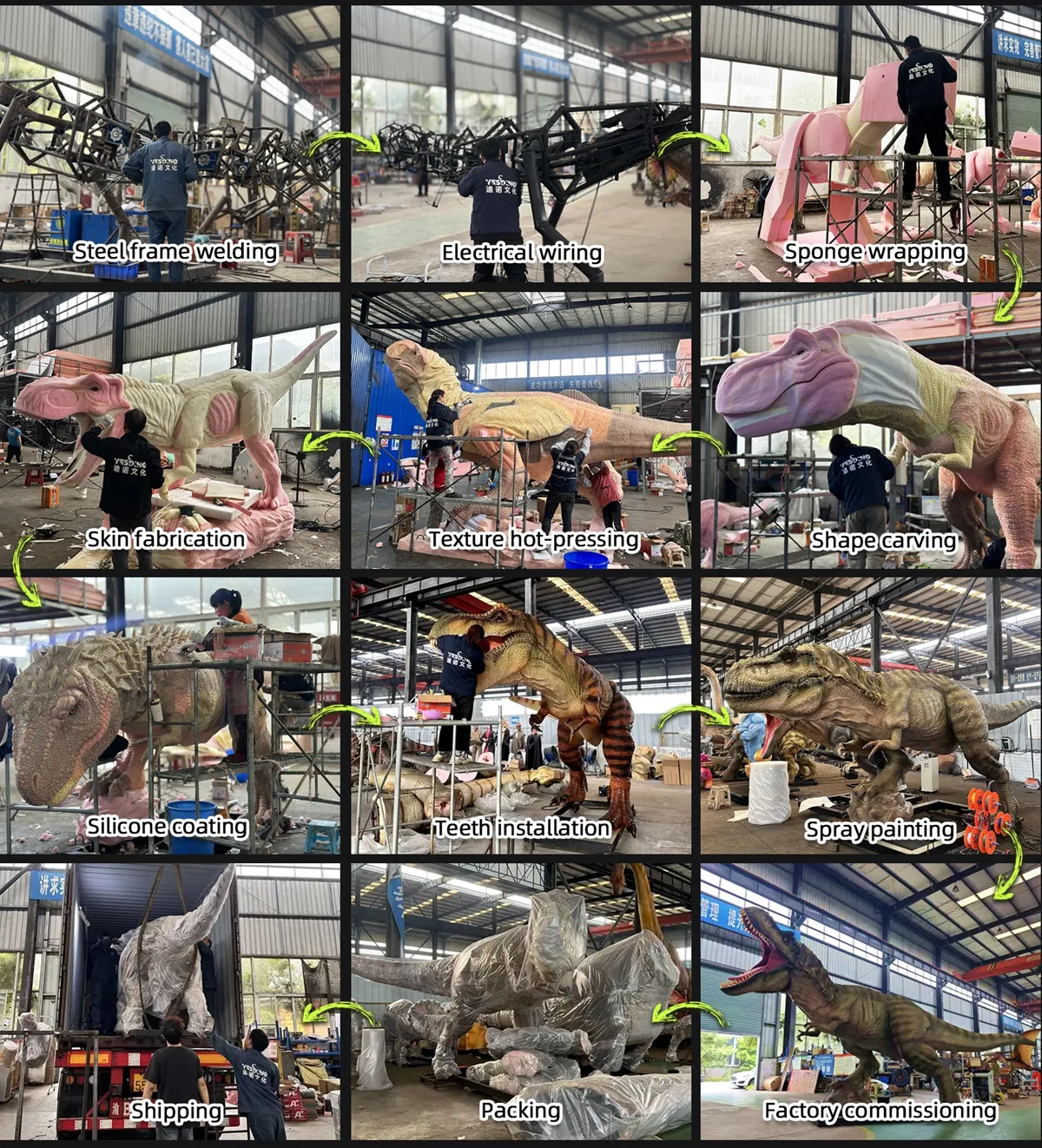
Production Process
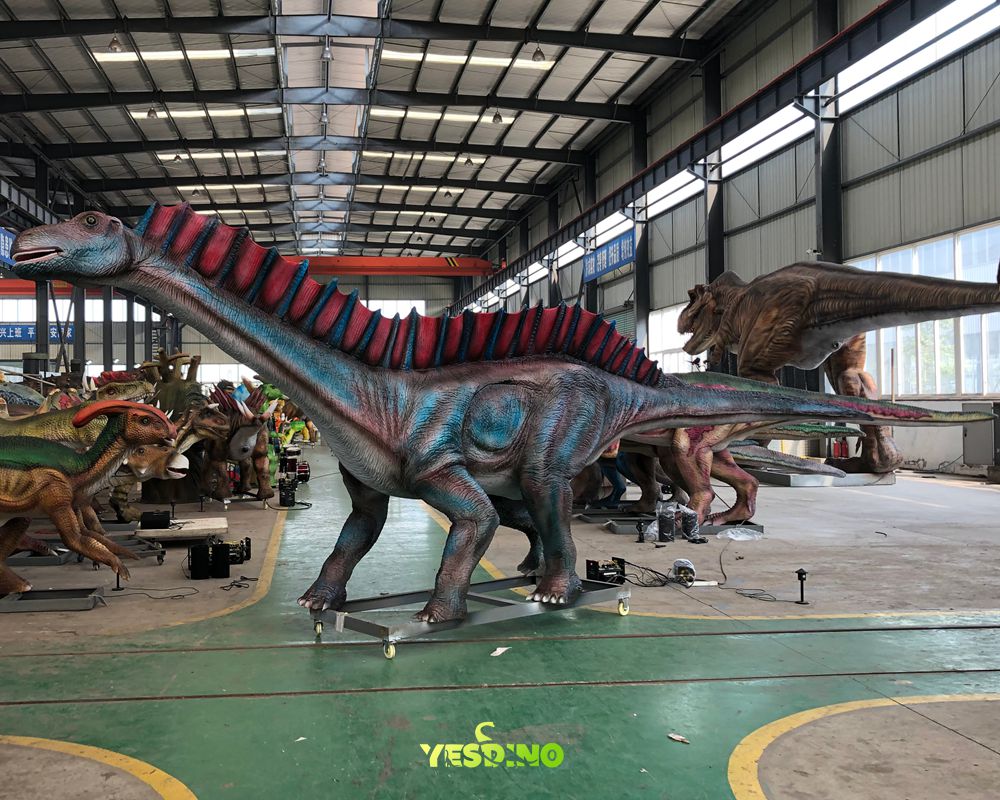
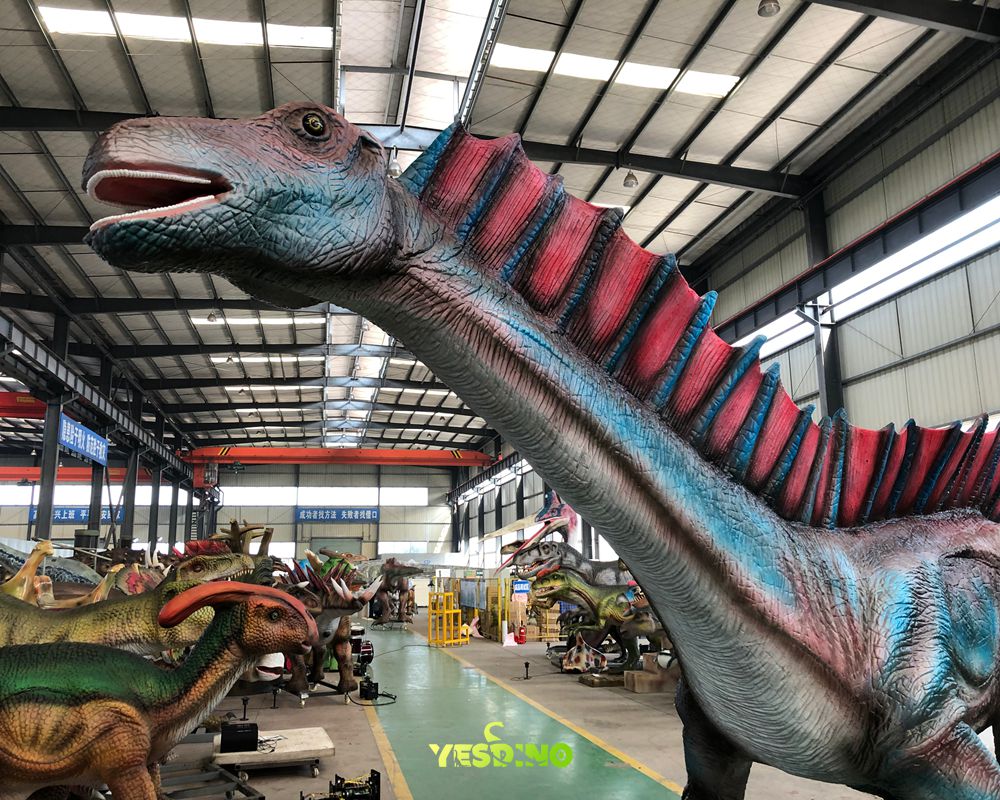
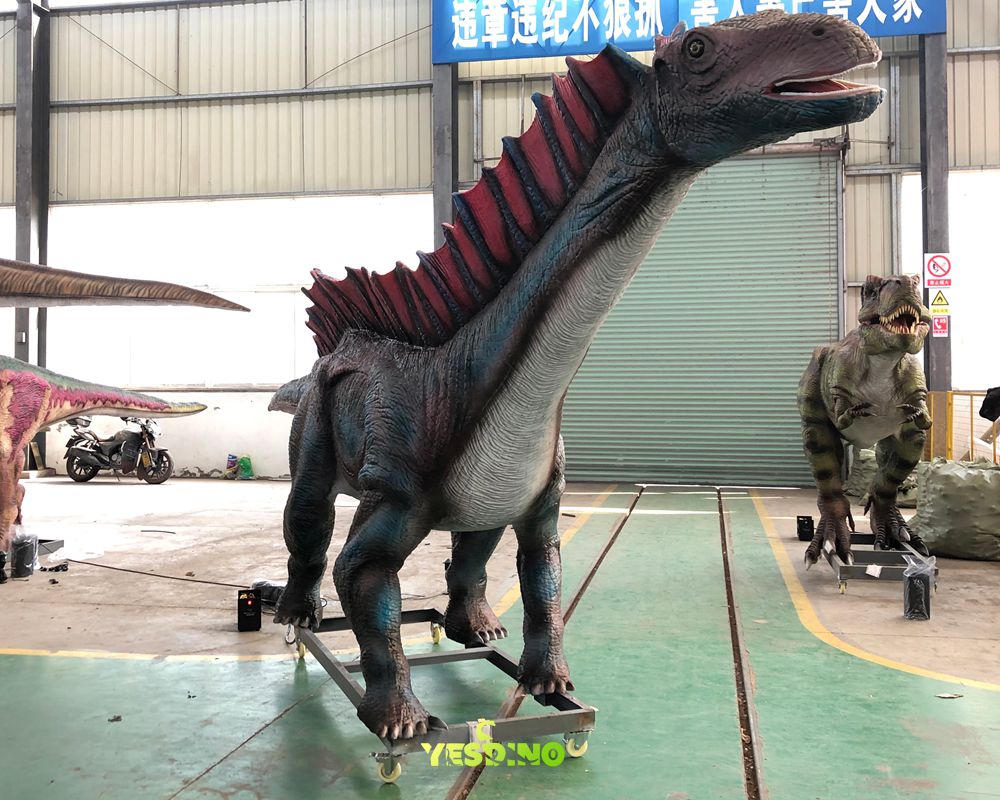
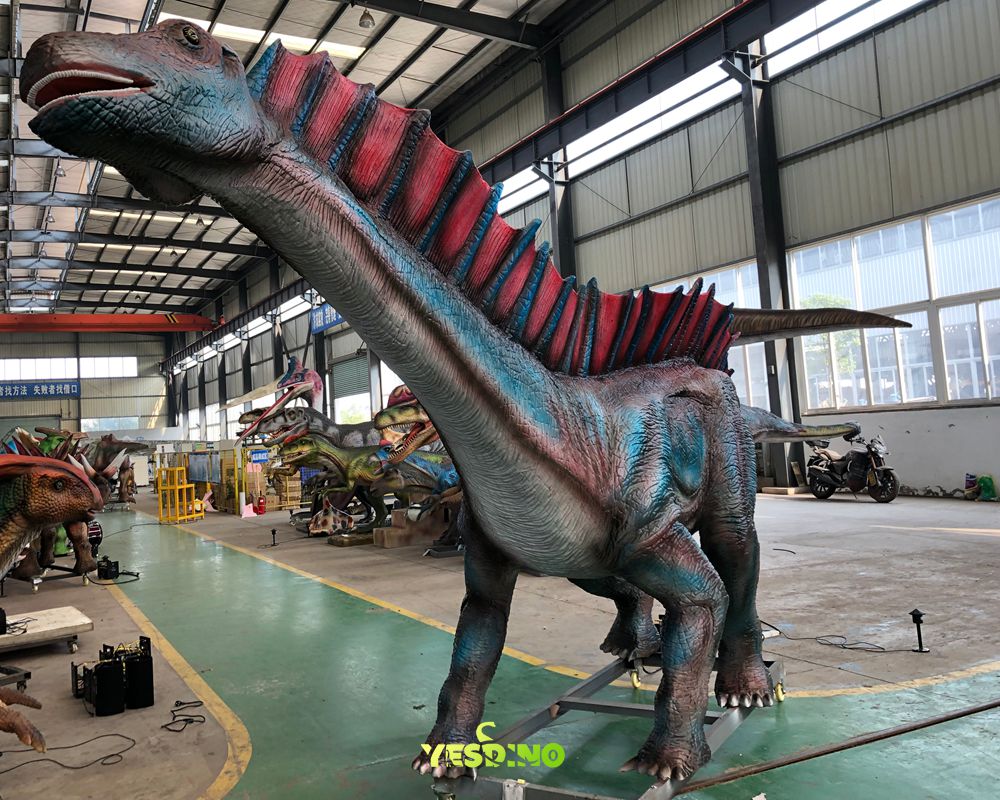
Two rows of tall spines running the length of the neck is not a design choice — it is what the animal actually had. Amargasaurus came from Early Cretaceous Argentina, and the neural spines of its neck vertebrae grew upward in pairs, taller than the neck was thick.
SKU YKL-053: five metres long, 1.1 m across the body, 2.5 m to the top of the neck spines.
What the spines were for
Nobody agrees. The proposals range from display — making the animal look larger — to a supporting structure for a fleshy neck crest, to defence. What the fossil shows is a pair of tall spines along the neck that clearly did not carry a Spinosaurus-style continuous sail, because they are separate and run in two rows.
For a model that is useful rather than confusing: we build the spines as individual tapered elements with the skin carried up over each one, so they read as two rows rather than a single fin. That is the honest reading, and it also happens to be the more striking silhouette.
A thin, tall animal is a build problem
Five metres long but only 1.1 m across, with the tallest structure at the front of the animal: this is not a stable shape by default. Two things make it work. The neck spines are tied into the neck frame rather than the skin, so wind load goes down into the body. And the base frame is wider than the body suggests, with the anchor points spread under the shoulders.
If the site is exposed — a hilltop, a coastal promenade, a rooftop terrace — say so at enquiry. It changes the spine spacing and may add anchors.
Five movement groups, set slow
Head left and right, neck up and down, jaw open and close with a call, blinking eyes, tail sweep. No forearm group — the legs are columnar and the hands are not a feature of the animal.
The neck group needs care here, because the spines move with it. Travel is set shorter than on a plain long-neck build, and the speed is slower: a neck carrying two rows of tall spines should not whip. We commission the programme with the spine clearance checked against the ceiling or lighting above it.
Children's areas, honestly
Despite the page this model sits on, it is not a playground climbing frame. At 2.5 m it is a tall animal with thin projections at the top, and the base is designed to be looked at rather than leaned on.
Where it does work in a family setting is as the landmark at the edge of a play area: something tall that parents can see over the crowd, with the play equipment in front of it. Keep a barrier at 1.5 m and the spines stay out of reach, which is the configuration most operators end up choosing.
Finish and delivery
Welded Q235 steel frame with anti-rust treatment, foam volume, silicone five to seven millimetres, translucent layered colour. A common finish runs a grey-green body with darker spine edges and a pale underside, which makes the two rows legible from a distance.
Rated −25 °C to 45 °C, 110 V or 220 V configured at build. Ships in sections with base frame, control cabinet, sound system, wiring diagram and calibration sheet. Freight, duties, certificates and installation are quoted separately from the product price.
Why the neck is the whole animal
Amargasaurus is short-bodied and modest in size, and everything about its silhouette is concentrated at the front. That makes it a model where a single decision — how tall and how separate the spines are — determines whether it looks like the fossil animal or like a small generic sauropod with a crest.
It also means the neck has to be built as structure rather than as skin. The spines need their own mounts, the neck frame needs to carry them without flexing, and the skin has to close against each one cleanly. That is more work than a plain long neck, and it is the difference between a display piece and a curiosity.
Enquiry
Send the site photo, the ceiling or canopy height above the display point, and whether the animal will be near play equipment. We'll set the neck travel and the barrier line to match.
Where to go next
Two things come up in almost every enquiry on this build: how the size compares with the alternatives, and what it takes to get it on site. The pneumatic versus hydraulic comparison sets out the length options side by side, and the installation guide for pads and access covers pads, access and assembly. Budget planning sits in the wiring concealment notes.
For ideas on placing it, see playground prop selection. The rest of the range is on animatronic dinosaurs, and if this one is the wrong size for the slot, animatronic spinosaurus for trade shows is the closest alternative.
Product Accessories
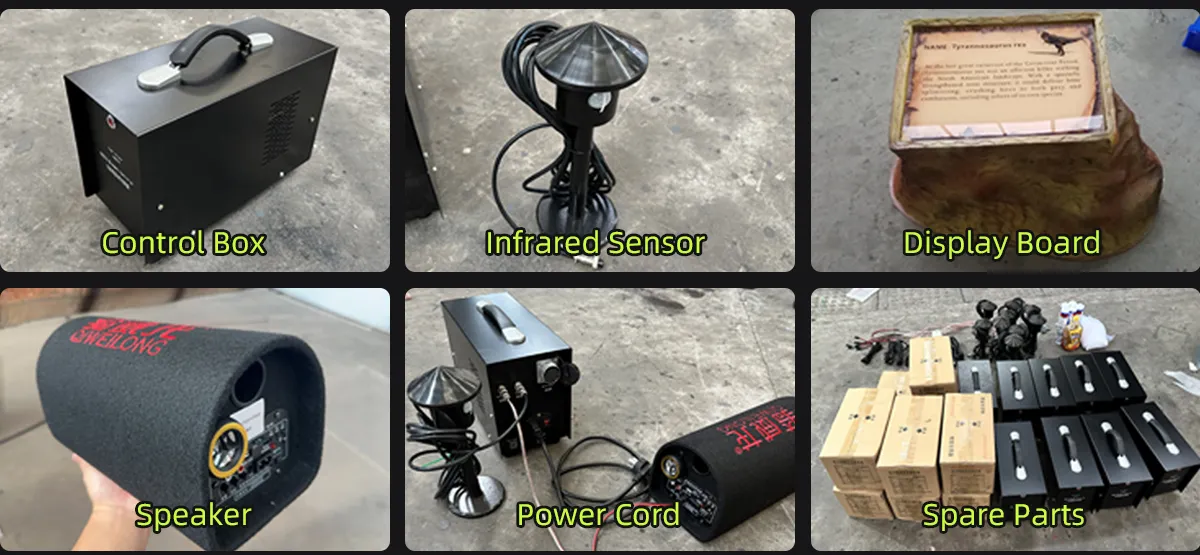
Packaging and Container Loading