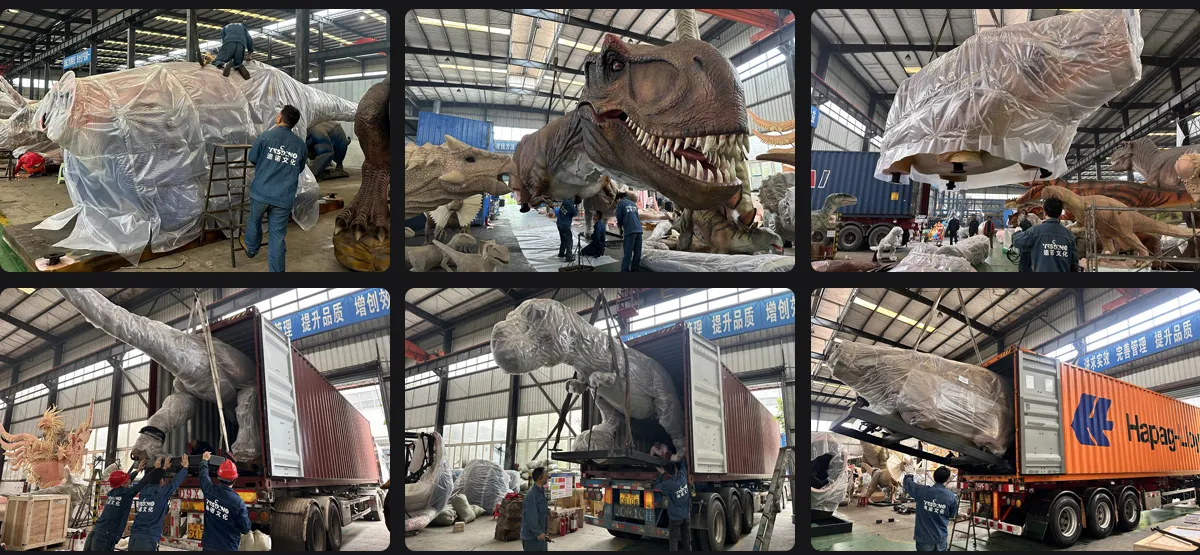
Production Process
Most animatronic animals spend the day with nobody in front of them. A queue moves past, a family stops for eight seconds, then the path is empty for a minute. What those empty minutes look like decides whether the animal reads as a machine or as something waiting.
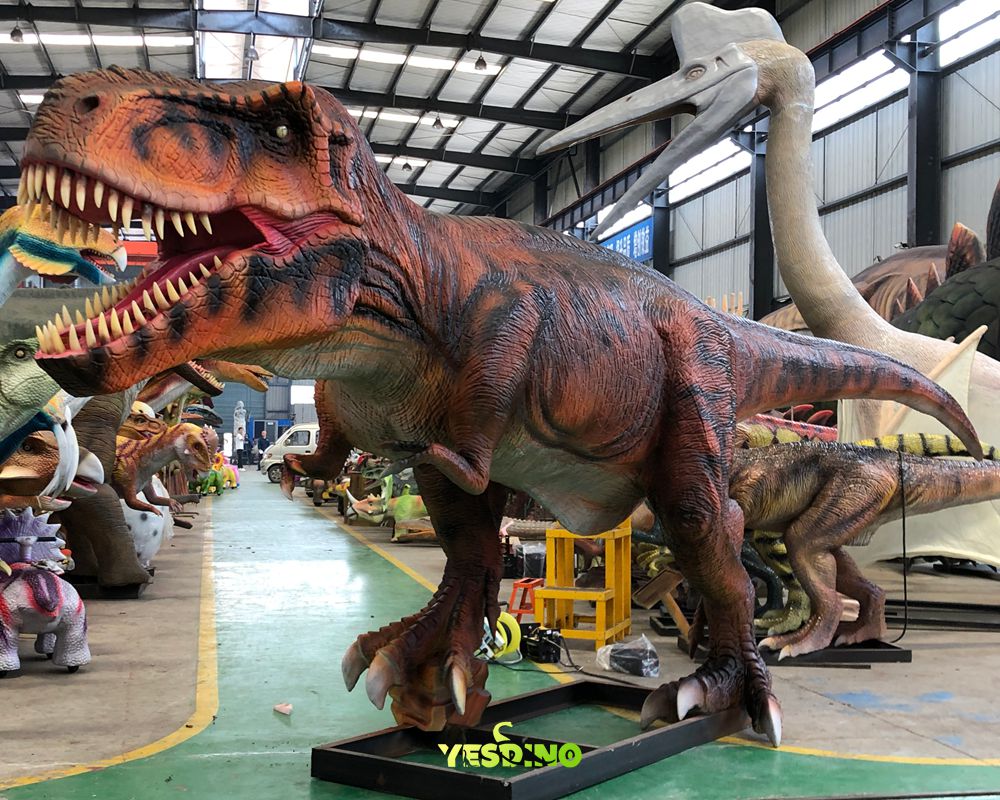
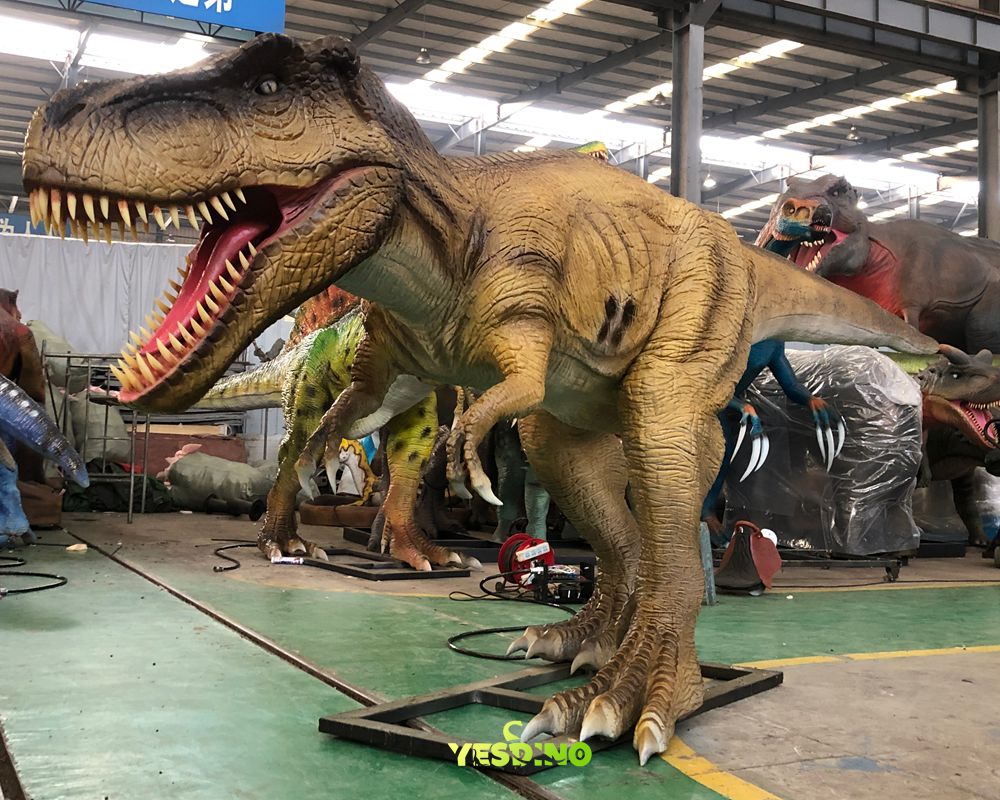
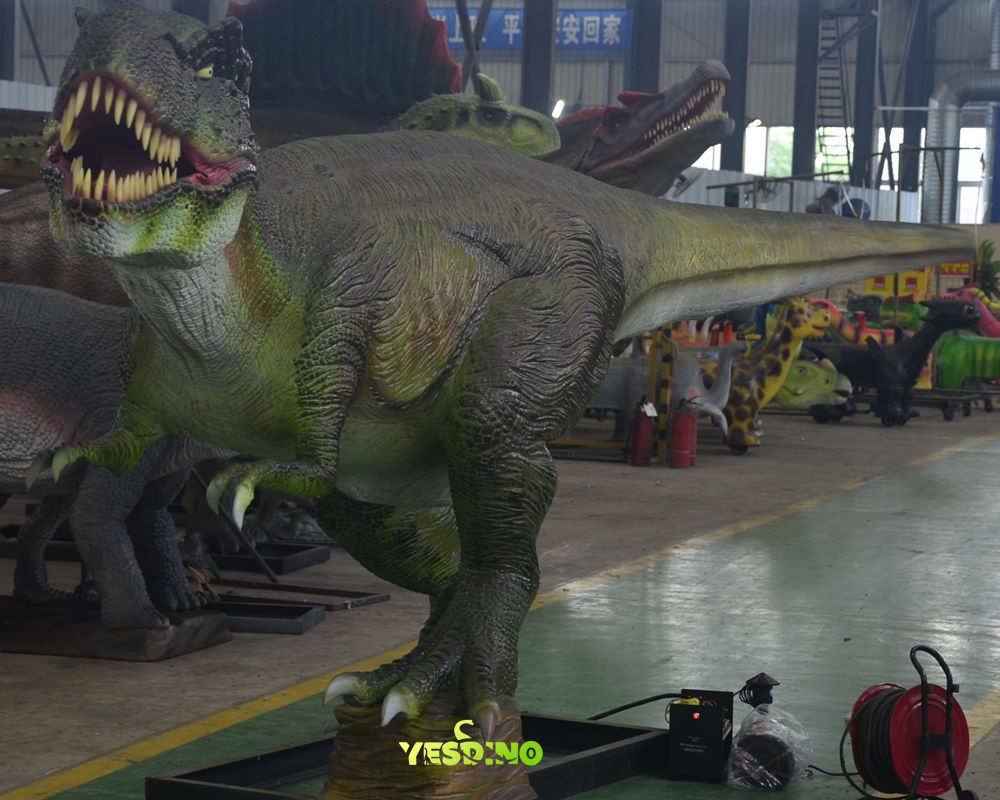
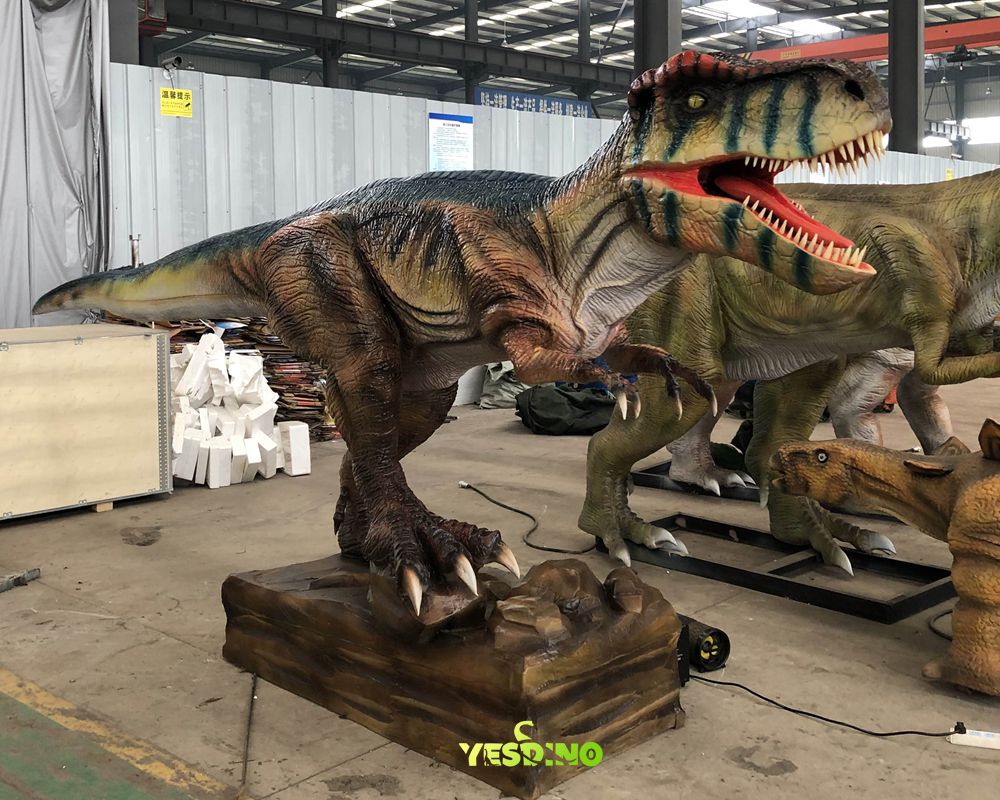
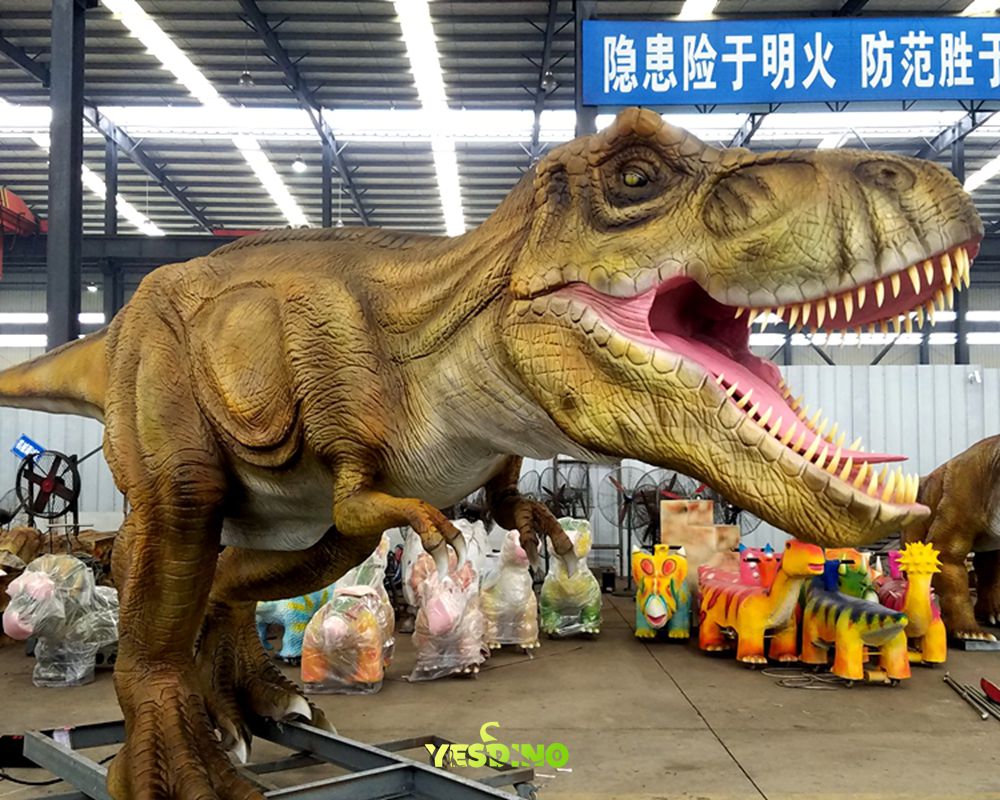
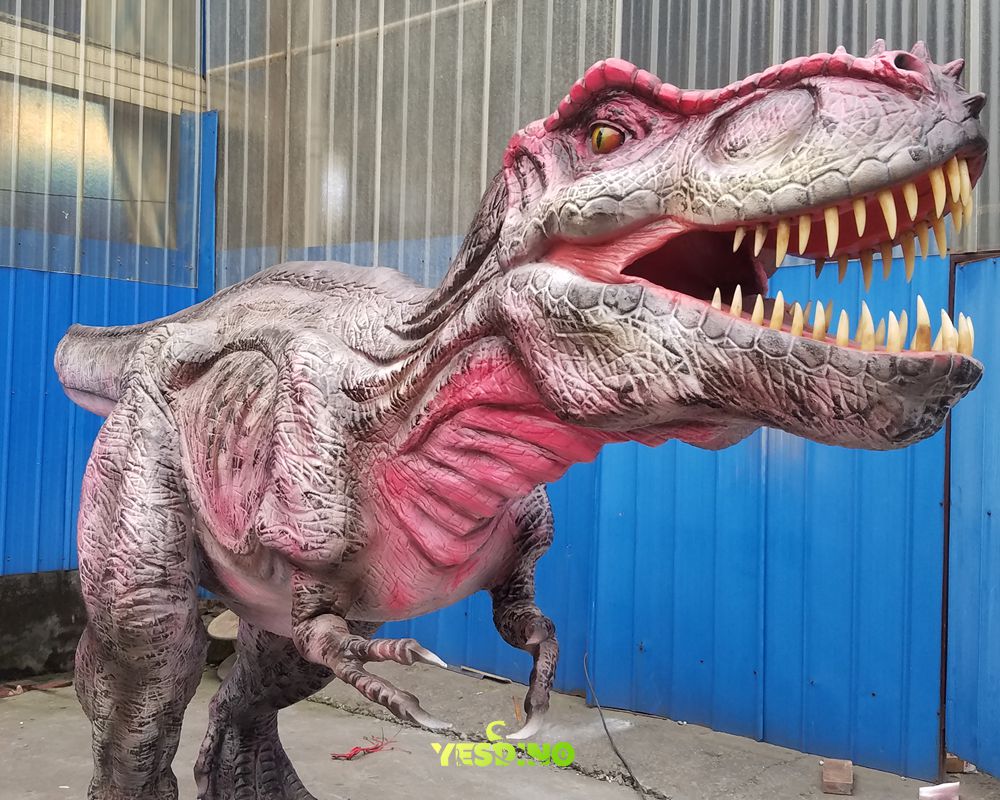
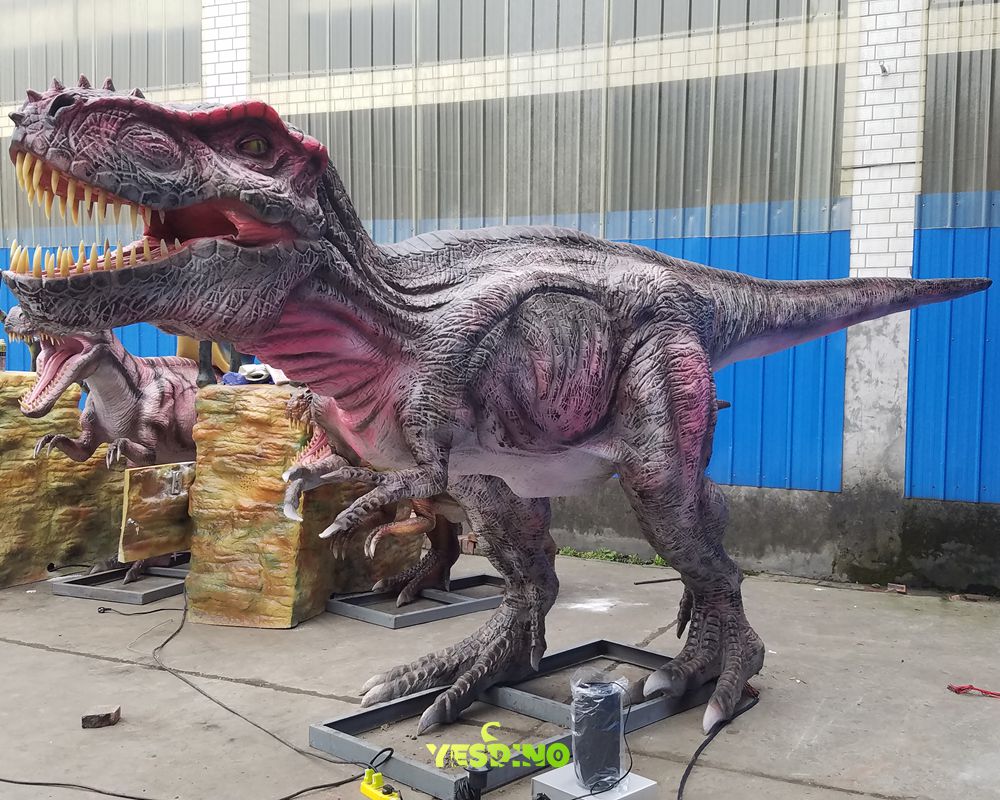
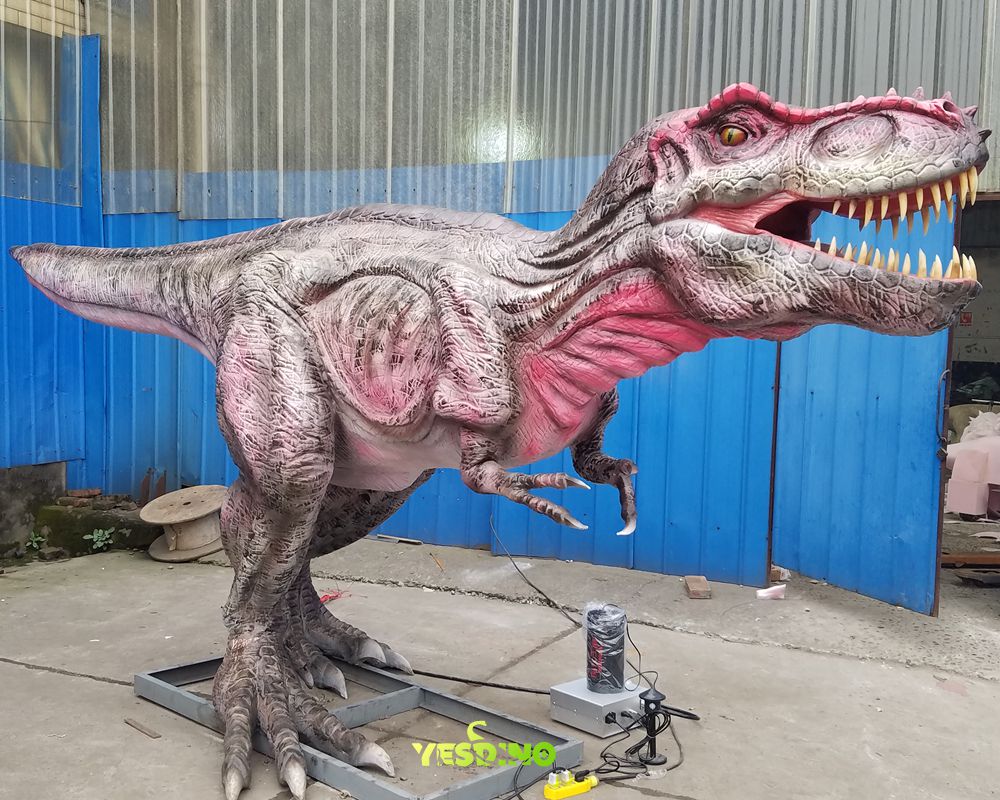
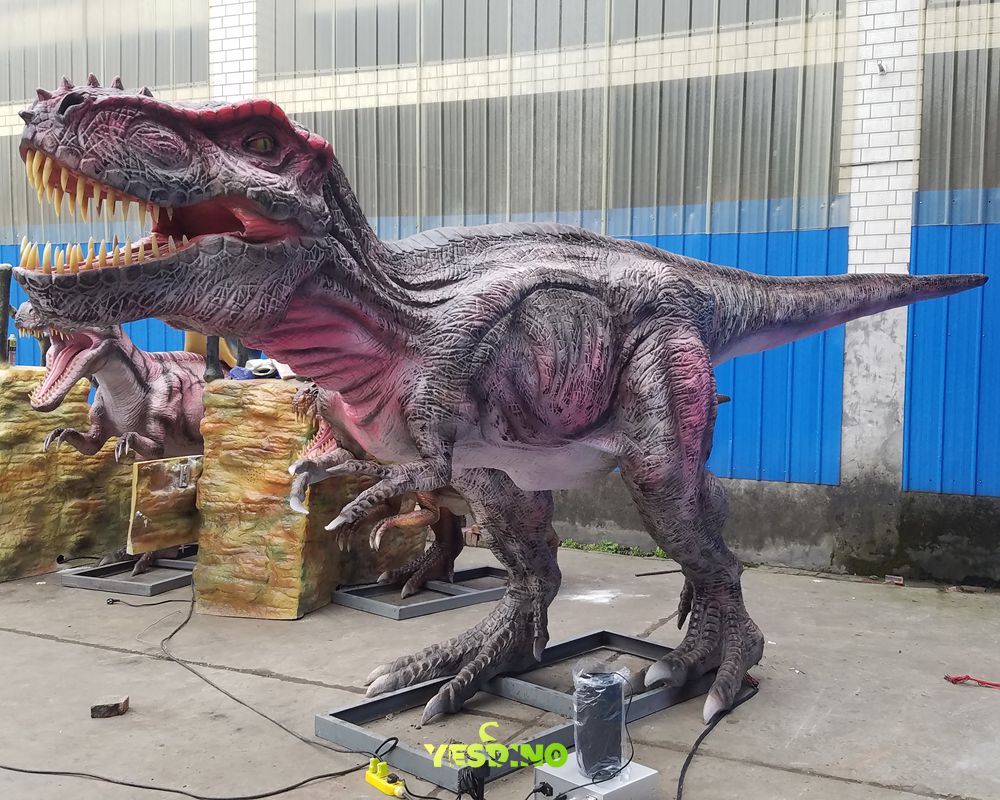
This build is 6 m long, 0.8 m across the body, 2 m tall. The size is deliberately unremarkable; the behaviour is the product.
Why six metres for an interactive build
Six metres puts the head reach roughly 2.2 m ahead of the front feet, the distance a visitor can stand back without the animal leaning into them. At 0.8 m across, it also fits a two-metre-wide path with room to walk past on both sides, and that matters when the trigger fires on people moving.
The compromise is presence. A six-metre animal at 2 m tall does not dominate a plaza. Interactive builds usually sit at path junctions and queue lines where the visitor is already stationary, and there the height is right: the head is level with an adult's chest.
Where it stands: the approach lane
Interactive placement is about the lane, not the view. Sensors want a clean 3 m of approach with no bench, bin or sign in the beam. A path that funnels visitors through a 1.5 m gap is easier to trigger reliably than an open concourse, because the sensor sees one body at a time instead of a crowd.
Where a plaza is wide open, the animal goes at an angle to the main flow rather than facing it. Facing the flow, the head turn follows everyone and the sequence fires continuously; angled, it fires for the people who turn towards it, which is the audience worth the sequence.
Idle behaviour, the part nobody budgets for
Between triggers, the animal runs a forty-second loop: a slow head sweep to one side, a pause, a weight shift through the hips, a blink sequence, then a settle back to centre. Nothing in that loop repeats on a round number, so two minutes of watching does not reveal the pattern.
The loop also resets after each triggered sequence, starting from wherever the head happens to be. That is the difference between an animal that looks alive and one that snaps back to a home position after every visitor.
Movement set and the delay
Neck, head turn, head tilt, jaw, tail sway, blink and breathing. The neck carries most of the interaction; the small forelimbs and two-fingered hands move in a short lift, and the jaw opens on the second beat rather than the first, which reads as a reaction rather than a greeting.
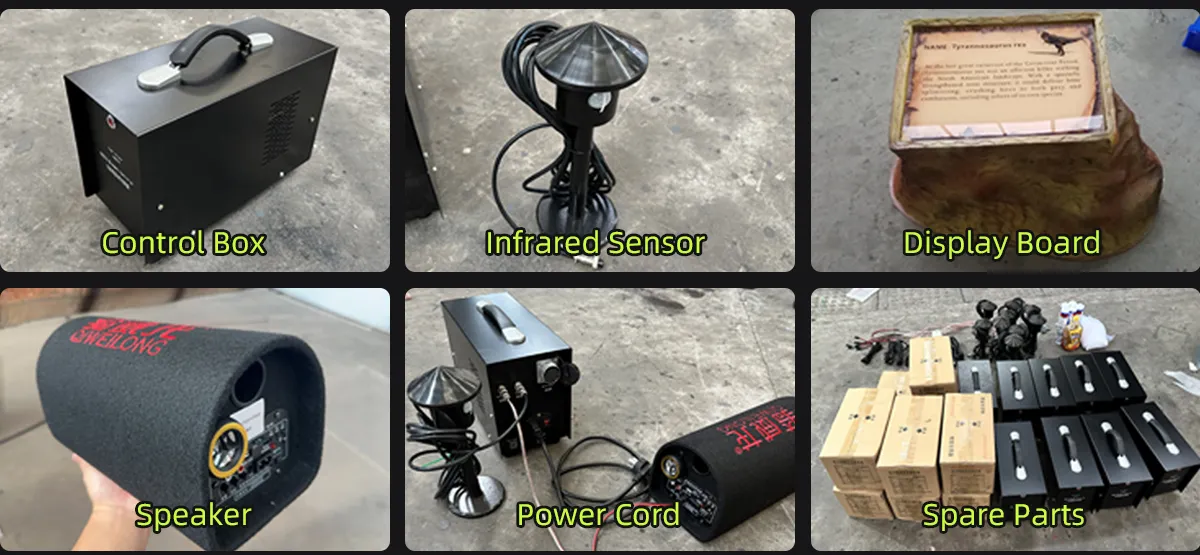
The delay between detection and movement is the setting clients ask about most. Ours ships at 0.8 s, with the sensor at 1.4 m on the approach side and a 3 m range. Under half a second the animal looks twitchy and fires at people walking past; over 1.5 s visitors have already looked away by the time it moves.
Frame, skin and daily wear
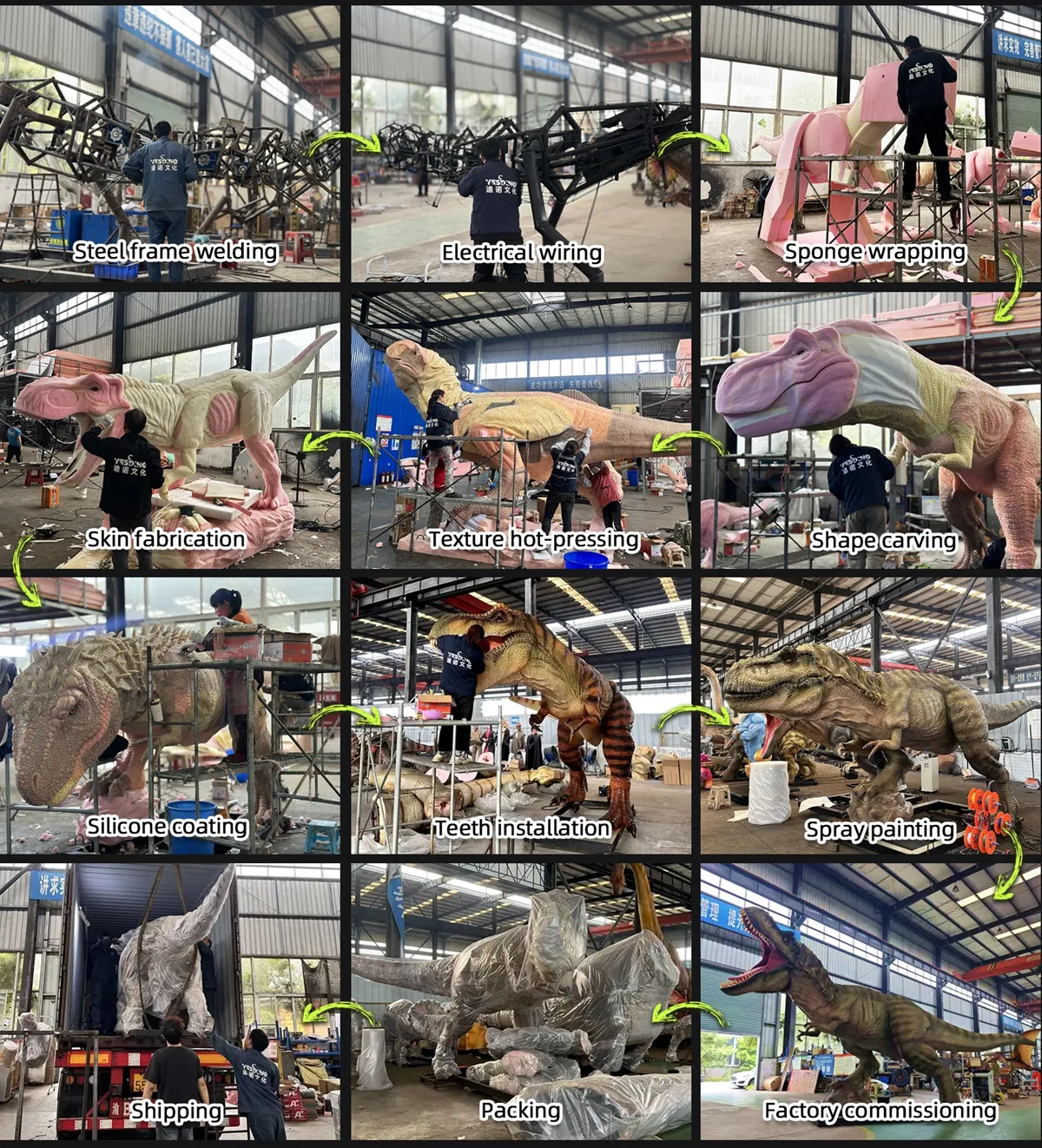
Q235 steel frame with rust treatment, foam-carved volume, silicone at 5–7 mm, colour in translucent layers. An interactive animal gets touched more than a display one, so the forelimbs and the jaw edge carry a heavier sealing coat, and the topcoat is chosen to be wiped rather than repainted.
Animatronics of this kind run long days, so the movements are driven independently with travel limits on each axis. A jammed jaw stops that axis and leaves the rest running, which keeps the animal presentable until a technician arrives. Parameters are set at commissioning and left on file.
Power, cabinet and install day
110 V or 220 V, configured at build for the destination, rated −25°C to 45°C, electronics under a two-year warranty. The cabinet sits inside the body behind a lockable flank panel; with the animal at 2 m tall, that panel is at 1.2 m, a comfortable height for one person working alone.
Install runs base frame, body, legs, tail, head, then power and calibration. Sensors go in after the animal is anchored, because the beam gets aimed at the finished position, not the drawn one. Two people and half a day covers a six-metre build on a prepared pad.
Enquiry
Send a plan of the approach with the walking direction, the width of the lane, the busiest hour and a photo of what sits behind the animal. That last one decides the idle sweep, since a head that turns into a wall reads as broken. If the site is still a drawing, the busiest hour is the number we need first.
An interactive build is the wrong buy where visitors pass in under four seconds, such as a corridor between two halls. A timed loop every ninety seconds serves that traffic better. Freight, duty, certification and installation are quoted on top of the product price.
Where to go next
If you are still comparing options, start with the wiring concealment notes — it lines up the builds by length and reach. Site work is covered in the park layout and theming strategies, and the cost breakdown with the seven price factors lists the factors that move the price.
For ideas on placing it, see layout strategies for themed trails. The rest of the range is on animatronic dinosaurs, and if this one is the wrong size for the slot, animatronic velociraptor for sale is the closest alternative.
Product Accessories
Packaging and Container Loading