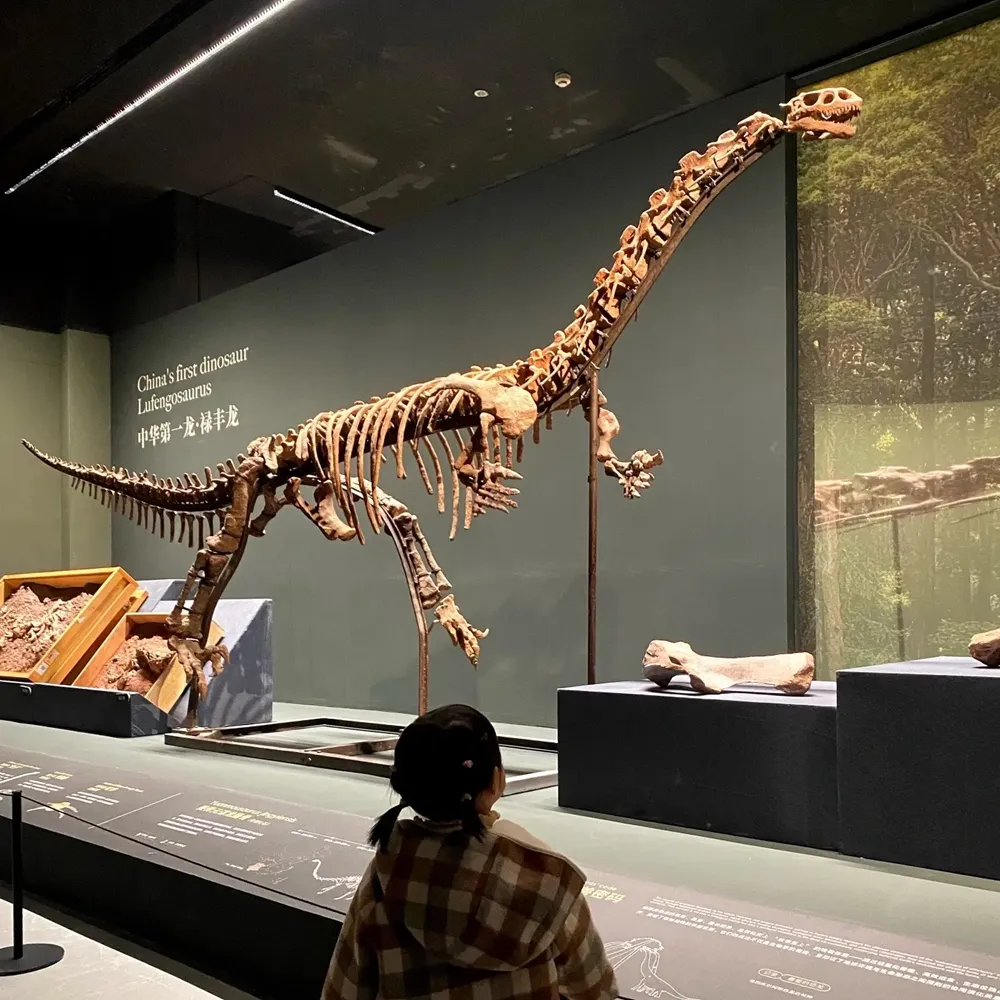
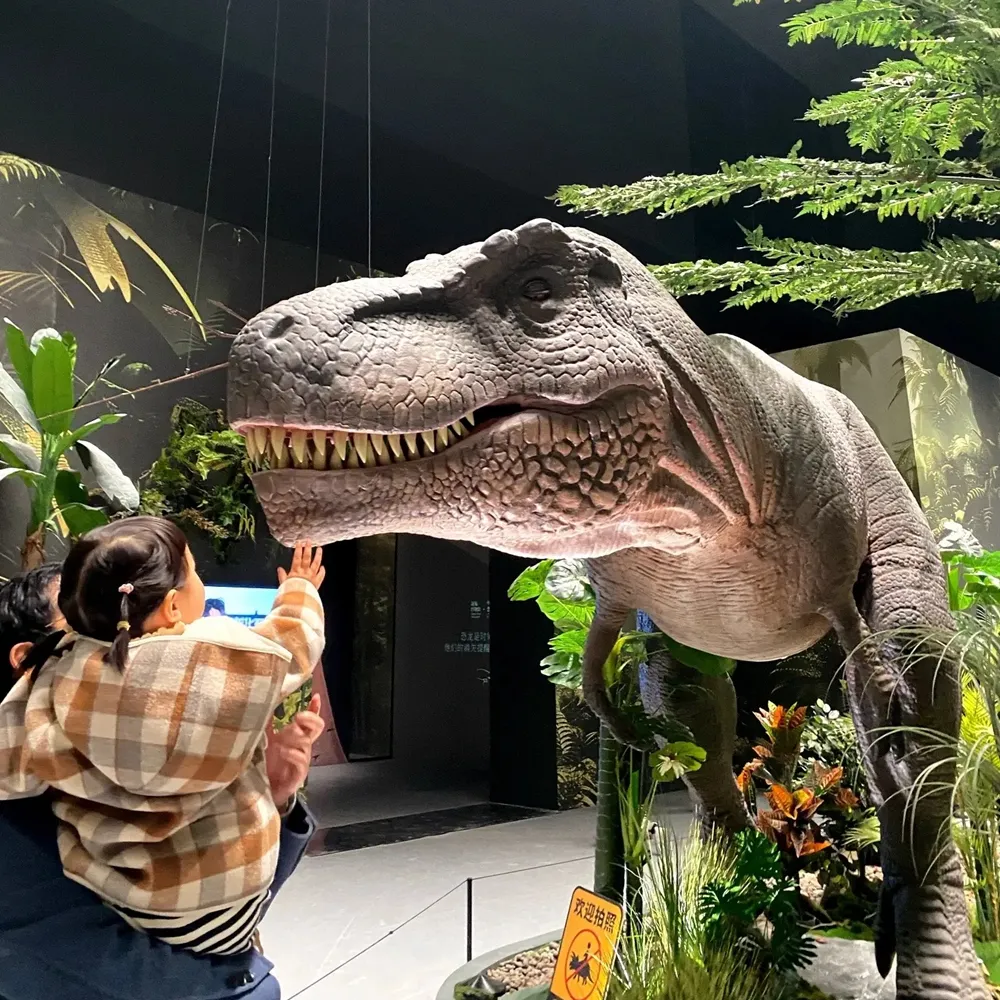
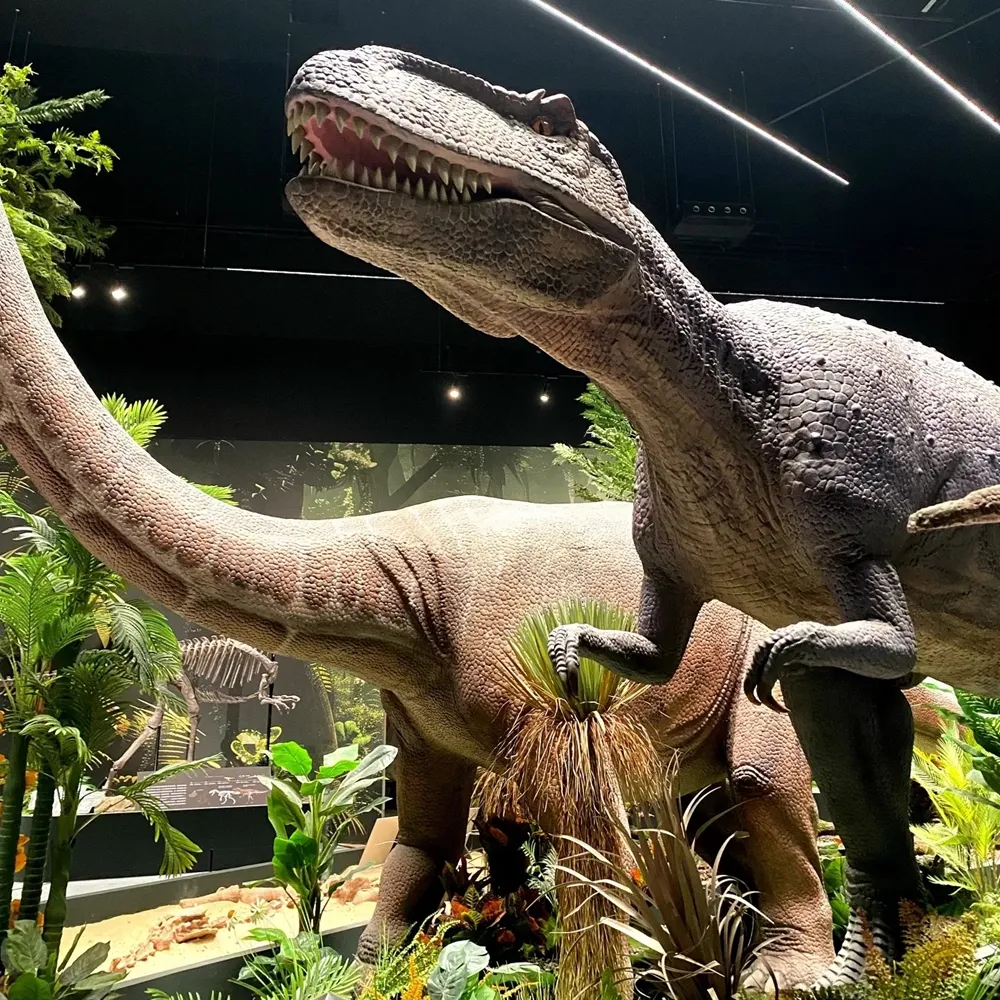
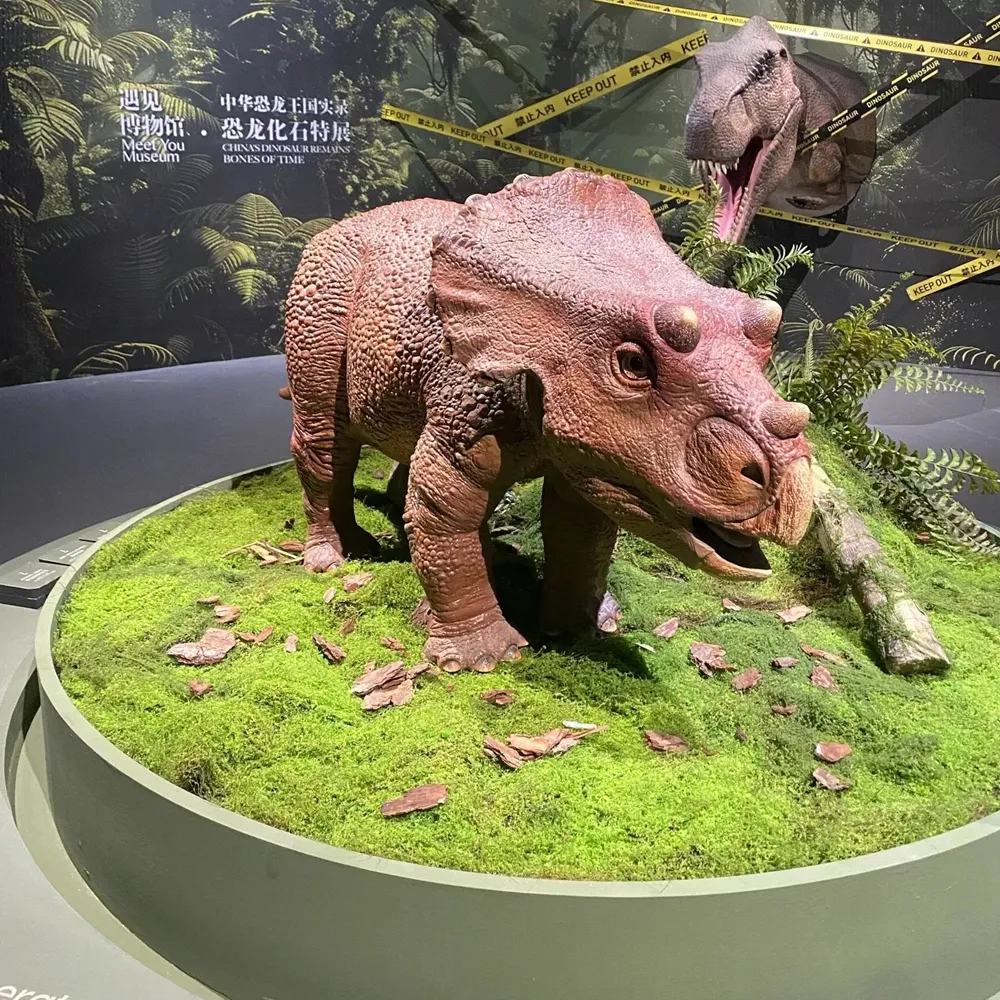
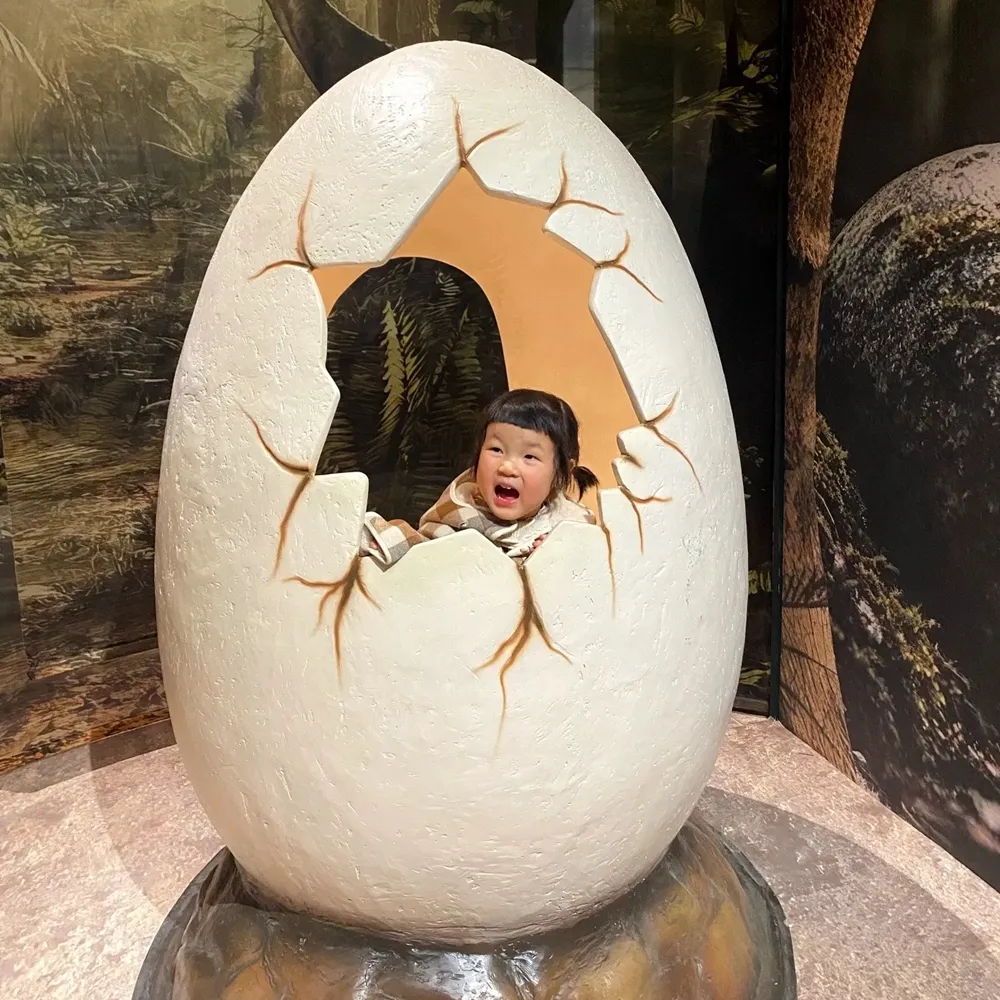
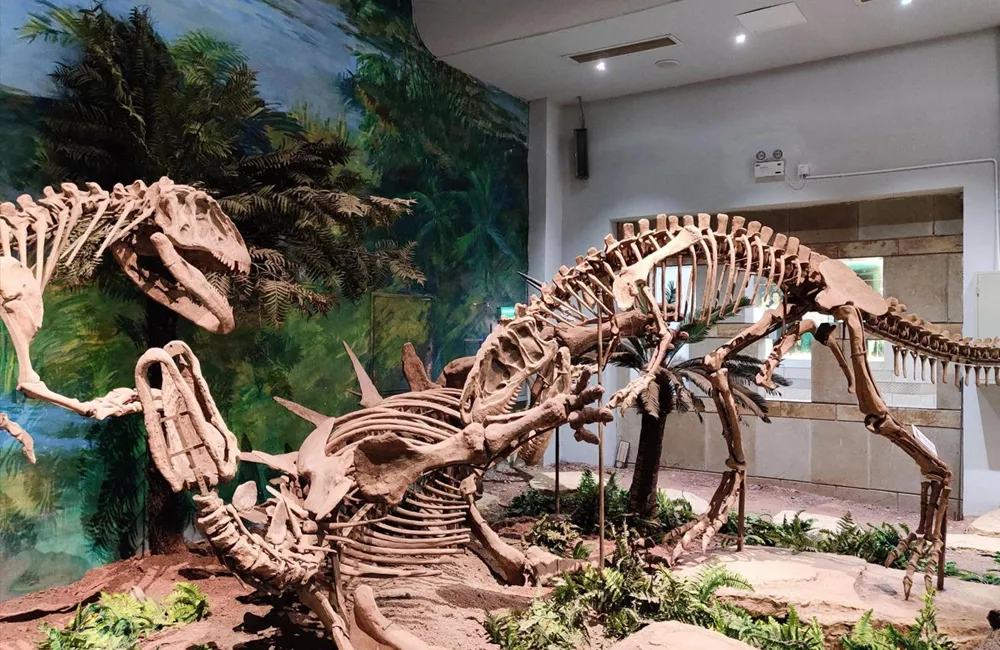
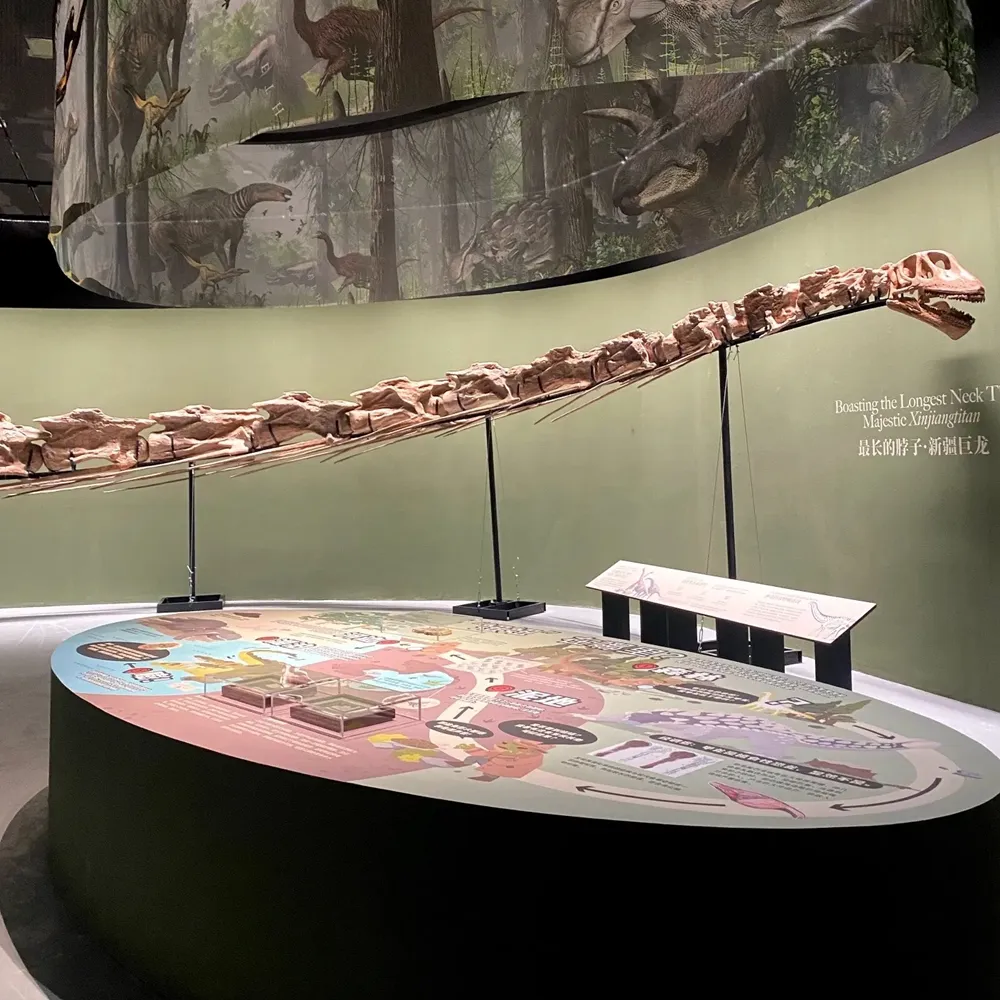
Casual visitors glance at an exhibit for three seconds and move on. But museum experts will lean in for three whole minutes, cross-checking proportions, fossil records and published papers. That's the huge gap between museum-grade dinosaur replicas and theme-park props. Museum-quality reproductions live or die by scientific accuracy, not just cool-looking visuals. This guide breaks down real-world lessons built from hands-on museum projects.
The three non-negotiable rules for museum dinosaur exhibitsAny replica that fails one of these three points will almost certainly get shot down by your academic advisor. Don't jump straight into price comparison - start here.
Museum projects run differently than commercial entertainment buildsExpect more review cycles. Your concept needs sign-off from curators, academic consultants and museum leadership. Revisions after full-scale production are painfully expensive: edits on drawings take hours, reworking finished sculptures takes weeks. Stick hard to this workflow: finalise drawings → lock academic sign-off → start physical production. Never judge a quote by total price alone. Split it open line-by-line. Watch out for suspiciously low total bids - corners get cut most often on silicone skin finish or animatronic control hardware.
Four practical checks to verify replica scientific fidelityAnyone can spot a bad replica once you know what to hunt for. Run through these four checks before approving final production files. 1. Skeletal proportion2. Biological poseStatic displays need believable underlying bone support logic — the pose has to work for the animal's skeleton. For animatronic pieces, keep movement ranges realistic. Over-exaggerated flailing ruins credibility for expert audiences. 3. Skin texture & colour interpretationQuality replicas show realistic muscle bulges, folds and skin texture, not smooth, featureless surfaces. Important note: most dinosaur colour is informed scientific inference, not hard fact. Some fossils preserve melanosome evidence, many do not. Document your reconstruction assumptions on interpretive panels instead of claiming “100% true-to-life colours”.
4. Clear species labellingThis is the dividing line between museum exhibit and amusement park attraction. Every replica must clearly list species name, geological age, fossil discovery location and reconstruction sources.
Animatronic versus static replica: pick based on your zone purposeDon't default to “everything must move”. Mix and match according to what each gallery space needs.
A balanced layout works best: animatronics in main show zones, static pieces for context and peripheral areas. Too many moving figures fatigue visitors; all-static galleries risk feeling lifeless.
Four common museum display configurations
Lighting & space: three frequent mistakes that ruin great replicasMistake1: Straight-down overhead lightingPure top-mounted light washes out skin texture and muscle relief, making detailed replicas look like cheap inflatables. Use angled side lighting so surface detail shows through natural shadow. Mistake2: Uniform brightness across the whole roomFlat even lighting removes visual hierarchy. Brighten exhibit zones and keep surrounding walkways dimmed; visitor eyes naturally gravitate toward your dinosaurs. Aim for 3:1 up to 5:1 brightness ratio between exhibit and circulation areas. Mistake3: Exhibit placed directly in front of large windowsDaylight from behind turns your replica into a dark silhouette. Lock exhibit positions before finalising interior layout, avoid backlighting from glass walls. Specify high-CRI lighting (CRI≥90, R9>50, 3000-4000K). Poor colour rendering turns carefully finished silicone skin dull or green-tinged. Interpretation panel best practice: three lines, keep it tightVisitors skip walls of tiny text. Stick to this simple three-line format. Always mark estimated values explicitly.
Example fact: “Its teeth continuously shed and regrow throughout its lifetime.” Add a QR code if your budget allows. Link out to fossil discovery stories or reconstruction process background. Low-cost upgrade that lifts the whole exhibit's educational level.
Environment and ongoing housekeeping for multi-year displayTemperature & humidityAnimatronic hardware operates reliably from -25°C to +45°C. Standard museum gallery conditions sit well inside this window. Watch high-humidity seasons: inspect junction boxes and controller seals monthly in humid climates to stop moisture creeping into electronics. Cleaning guidelinesDust builds up on silicone skin and fiberglass paint layers. Use low-pressure water, soft cloths and soft-bristled brushes. Never use stiff scrub brushes or solvent cleaners. Keep water spray well clear of electrical enclosures. Audio & sound managementLoop-roaring dinosaurs destroy quiet museum atmosphere. Trigger sound effects via motion sensors instead of constant playback. Play audio only when visitors approach the exhibit. Accessibility & circulationLarge-size models can block wheelchair access. Plan walkway widths and barrier gate directions to comply with local museum accessibility and emergency-exit rules. Photography and broadcast readinessIf you will shoot marketing photos, livestreams or press content inside the gallery, confirm lighting colour rendering at install planning time. Fixing bad lighting in post-production is far more trouble. Splitting, packaging and on-site installationMuseum buildings often have narrow doorways, tight corridors and no heavy lifting gear. Define piece-breakdown specifications before manufacturing starts. Every single component must fit through site access routes. We run three factory-stage quality checks: after steel frame assembly, after sculpt completion, and a full pre-shipment run-test. We verify movement smoothness and electrical load. Our technicians can travel to site for hands-on assembly and commissioning, or deliver remote training for your in-house team. Museum opening dates are non-negotiable and on-site work windows are frequently narrow, often limited to after-hours closures. Split on-site work across shifts: steel-frame assembly and foam shaping during daytime hours, paint touch-ups and fine-tuning overnight, as coatings require curing time.
Production lead-time reference tableTimes below cover factory production only. Add shipping, customs clearance and on-site commissioning. Plan total project timeline for 6-10weeks overall.
Routine museum-grade maintenance checklistOne full inspection per year is sufficient for most installations. Set fixed calendar reminders — static exhibits are easy to forget about.
Order one spare-parts kit together with your original purchase. Wear-and-tear components like fans, drive motors and batteries will need replacement over years of runtime. Sourcing spare parts internationally after delivery gets expensive — freight cost can exceed the component itself. Keep written maintenance logs: record repaint dates, component swap-outs. Museum-lifespan exhibits run 10+ years; written records beat memory. Before requesting a formal quote: send these six itemsShare these up-front, and you get precise recommendations the first time around, cutting down back-and-forth emails.
If you work with academic consultants, loop them in at drawing review phase, not after production finishes. That saves massive headache and cost. Deliverables you receive from usOnce we receive your brief, we return exhibit layout suggestions, scaled proportion drawings, concept renderings, full technical datasheets, itemised pricing for product plus logistics, and firm delivery timelines. Payment terms support T/T, credit card, PayPal. International trade terms: FOB, CIF, DDU available. On-site commissioning can be completed by our field technicians or via remote guidance for your local crew.
Three things we cannot promise
About our workshopOur factory is based in Zigong High-Tech Zone, with over 6000m² in-house production space. Our dinosaur replicas and animatronic exhibits have shipped to more than 40 countries. We focus specifically on museum-standard science-based displays, educational exhibitions and science-tour projects. Frequently Asked QuestionsWill your replicas pass academic review?All builds reference published fossil material and peer-reviewed papers. We share scaled drawings and concept renders for your academic consultant's feedback before sculpting starts. Revisions at drawing phase keep costs manageable. Should I choose head-only sculptures or full-body replicas?Head sculptures shine for limited-space locations, wall mounts or cabinet displays in hallways. Full-body models belong in main-feature exhibition spaces. Do animatronic dinosaurs feel too theme-park-like for serious museums?That all comes down to tuning. Slow movement speeds, reduced range of motion and spaced-out audio trigger times make them read as living animals rather than carnival props. All these parameters are configurable at factory. What total timeline should I budget for a museum dinosaur exhibit project?Factory build time follows the length-based table above. Factor shipping, customs and on-site commissioning. Overall project window: 6-10weeks as a safe planning baseline. What maintenance work does an animatronic replica need each year?One annual full inspection. Quarterly audio-motor noise check for daily-run exhibits. Keep spare wear-parts on-hand. How much visitor clearance space should I leave around moving animatronic exhibits?Ignore total body length for safety planning. Calculate clearance based on maximum head-swing and tail-swing radius, minimum 1.5-2m barrier-to-exhibit gap. Can you supply static fiberglass casts alongside animatronic units for comparison displays?Absolutely. Static fiberglass replicas can be built to match exact fossil-based scaling of animatronic pieces for side-by-side skeleton-versus-flesh interpretive displays. |