|
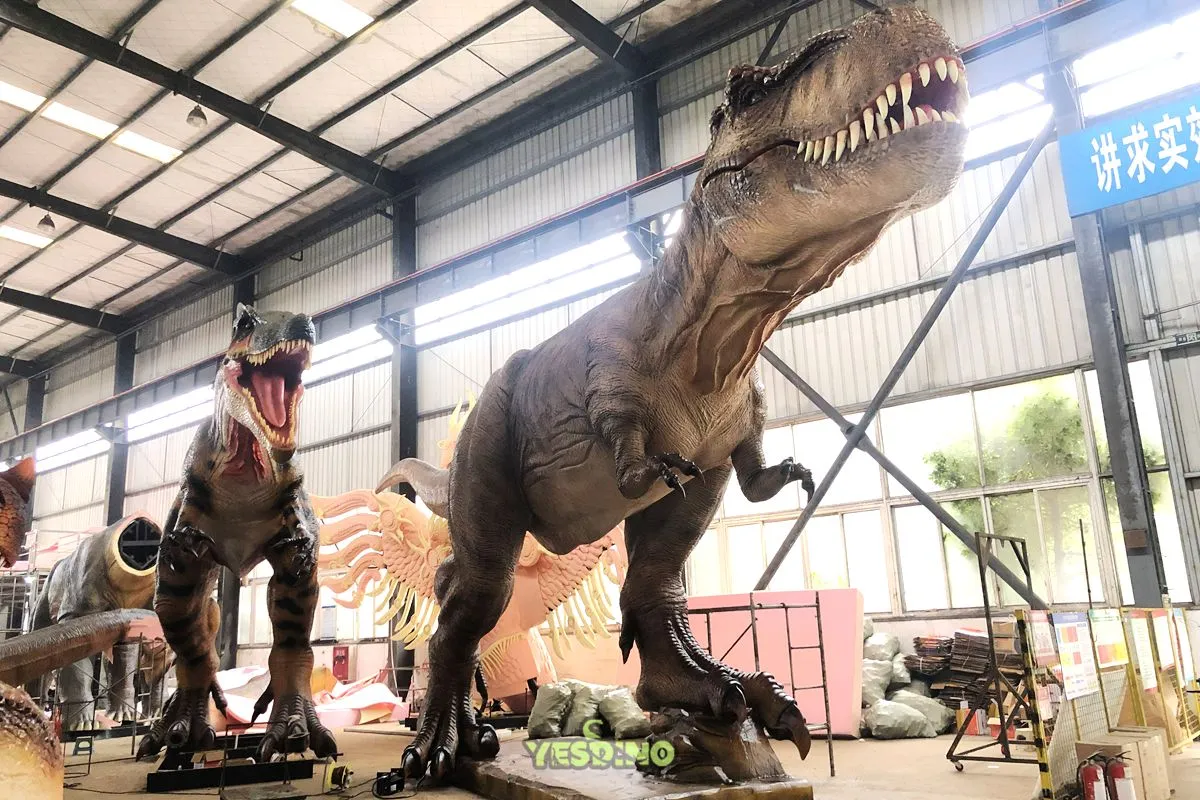
Before you buy an animatronic dinosaur, check seven things: its fit for your attraction, the agreed appearance and movements, suitability for the site, installation and power requirements, delivery responsibilities, acceptance tests, and after-sales support. The useful comparison is not simply which quotation is cheapest. It is which supplier has clearly documented what you will receive, what your site must provide, and what happens if something needs attention. Use the checklist below when preparing enquiries for a theme park, museum or exhibition. Ask each supplier to respond to the same brief so that differences between offers are visible before you place an order. 1. Check the visitor experience and the space availableStart with the role the dinosaur will play. Is it a moving exhibit behind a barrier, a feature beside a walking route, or part of a controlled performance? Describe the visitors, their viewing distance and the experience you want before choosing a model from a photograph. A convincing appearance is valuable, but it should serve the attraction rather than determine the entire layout. Prepare a site sketch showing the viewing area, paths, entrances and nearby structures. Ask for the proposed model's length, height, width, base dimensions and full movement envelope. The outline at rest is not enough: your layout also needs to account for the agreed movement and access for inspection or repair. Have the project's responsible professionals review visitor separation and installation requirements. For museums, confirm the intended species, interpretation and scientific references with the exhibition team. For entertainment attractions, agree which creative features are deliberate. This avoids treating an artistic choice as an unnoticed specification error. Request before ordering: a dimensioned drawing showing the model at rest, the extent of its movements, its base and the access space required. Mark what has been agreed and what still needs a site-specific decision. Keep this drawing with the quotation so that the size description cannot be separated from the practical layout.
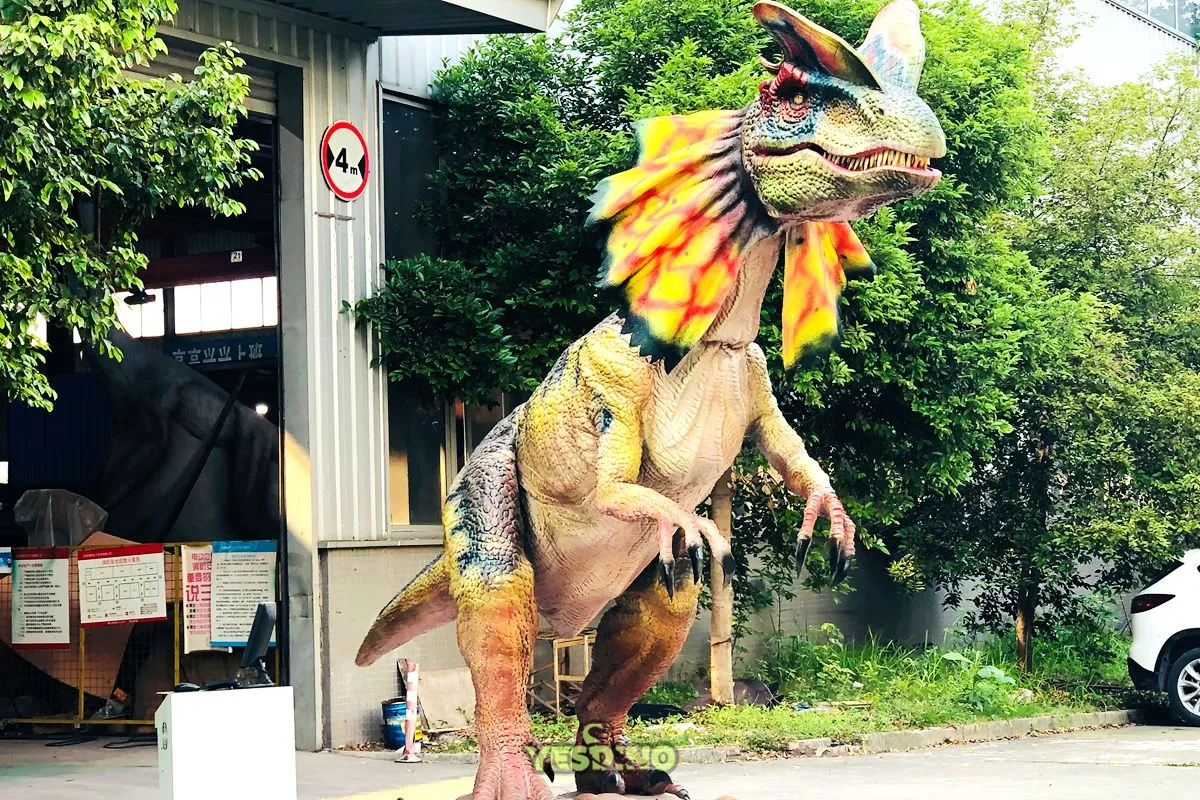
2. Check exactly which appearance, movements and controls are includedAn animatronic dinosaur quotation should describe more than a species and a length. Record the posture, colour references, surface finish, movements, sound and activation method. Manufacturer product ranges may offer different combinations of these features; a photograph of one configuration does not establish what is included in another. Write the required movements in plain language, such as a turning head or opening jaw, and ask the supplier to confirm the proposed sequence. Decide whether activation should be automatic, operator-controlled or connected to an existing show system. Ask what happens when a visitor remains in the trigger area, when several triggers arrive close together, and when staff need to stop the sequence. Request a demonstration of the proposed control arrangement rather than relying only on an edited promotional video. Where a demonstration shows a different model, have the supplier identify the differences in writing. Also clarify whether sound files, operating settings or sequences can be changed, and who is permitted to change them. Request before ordering: an approved feature schedule and a reference video tied to that schedule. Separate included features from optional additions. If the design changes later, update the schedule before accepting a revised price or delivery commitment. The aim is a shared definition of the product, not a longer list of impressive-sounding features.
3. Check whether the proposed build suits your actual environment“Suitable for outdoor use” is a starting point for a discussion, not a complete site specification. Describe the exposure your installation will face: direct sun, rain, humidity, seasonal closure and any other conditions relevant to the location. Ask the supplier to confirm the proposed model's documented operating and storage limits instead of borrowing a temperature range from another manufacturer's website. Discuss the skin, seams, cable entries, connectors, control enclosure, finish and accessible metalwork separately. Ask which parts have supporting test documents, what those documents cover and what installation conditions must be maintained. A rating or certificate for one component should not be assumed to describe the complete installed exhibit. Clarify what the operator must do during severe weather or a long shutdown. If covers, indoor storage or particular inspections are required, include those obligations in the operating plan and quotation comparison. Outdoor suitability and freedom from maintenance are different questions. For a more focused checklist, read why outdoor animatronic dinosaurs fail. Request before ordering: a model-specific environmental specification, relevant supporting documents and written shutdown or storage instructions. Where a claim is not supported, ask for clarification rather than turning it into a purchasing assumption. Keep the answer with the approved product specification. 4. Check the foundation, access and electrical plan before productionTreat the model and its installation as connected decisions. Provide photographs and site information early, but do not assume photographs alone are sufficient for structural design. Ask the supplier for the actual model weight, support arrangement, attachment points and loads or other information needed by the professionals responsible for the site. Have those professionals determine the foundation and anchoring requirements for the actual ground and local conditions. Clarify who designs, supplies and signs off each part of the work. Do not choose an anchor size simply because it appears in another project's photograph. The electrical discussion should be equally specific. Request the required voltage, connected load, control arrangement, cable routing, protective measures and shutdown procedure for the proposed configuration. Ask the supplier to demonstrate how the controller restarts after a normal power interruption. Do not assume every controller loses its settings, or that every model must remain powered overnight. Check the delivery route and service access together. A model that can reach its final position still needs practical access to the components staff may inspect later. Use the large dinosaur model installation guide as a discussion aid, not a substitute for a project-specific design. Request before ordering: coordinated installation information reviewed by the responsible installer, structural professional and electrician as applicable. Resolve the remaining responsibilities before manufacturing makes changes harder.
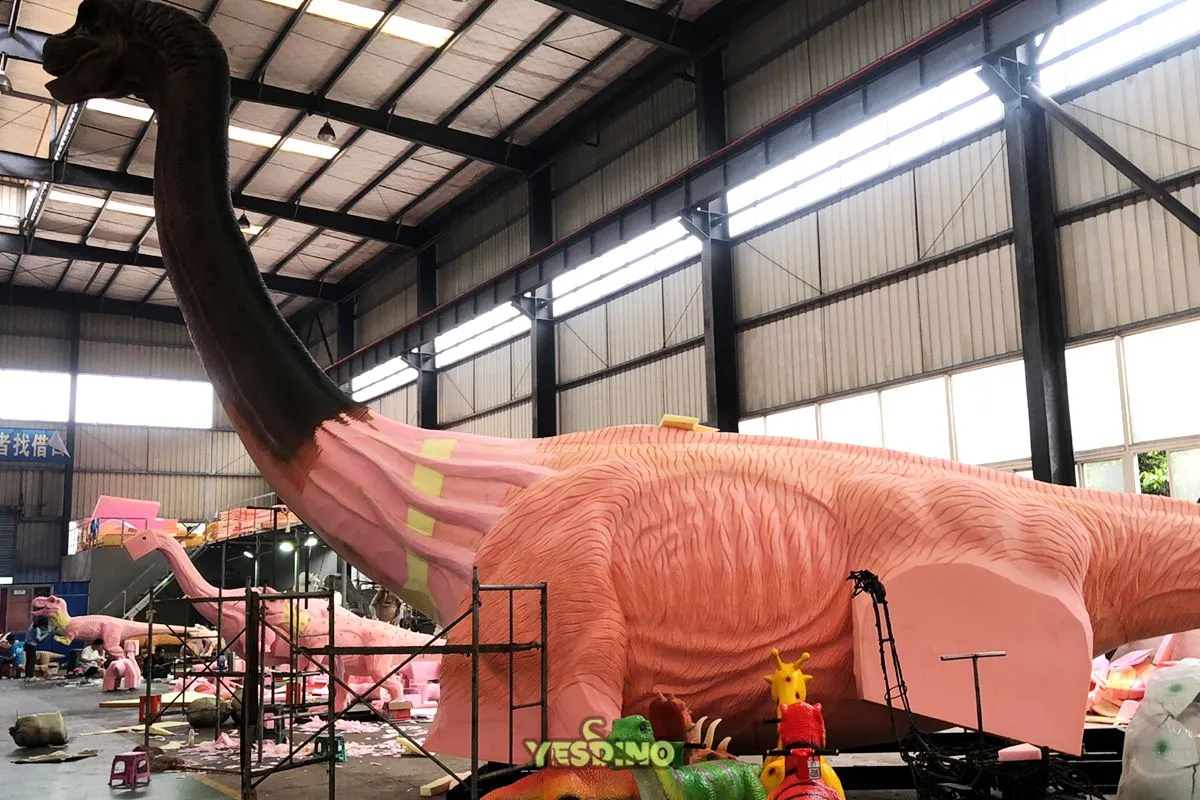
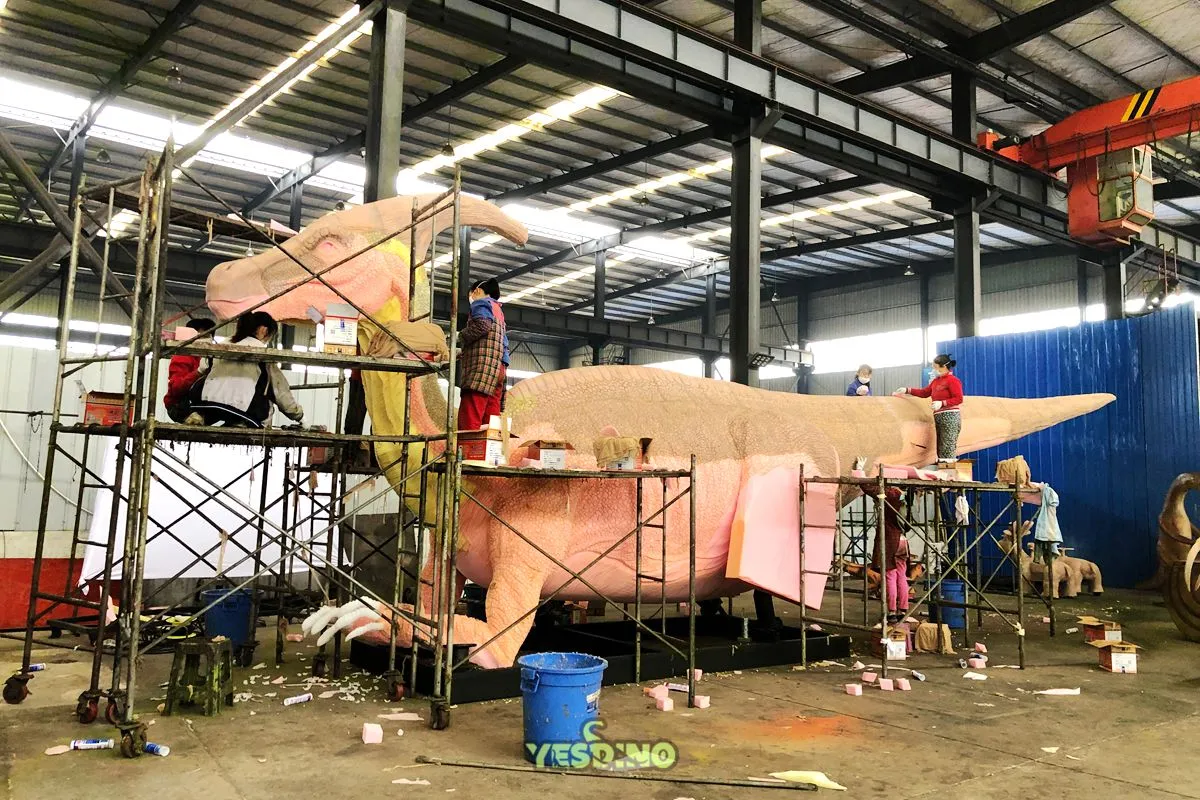
5. Check what the delivered and installed price really includesCompare quotations on the same scope. Separate the model itself from packing, transport, unloading, local handling, assembly, installation supervision, commissioning and training. Ask which items the supplier will arrange and which remain your responsibility. A lower product price is not a complete answer if the offers leave different parts of the project unpriced. Request the proposed packing method, package dimensions, weights and any plan to divide the model for shipping. Check these against the actual route into the attraction, the available unloading space and the equipment the installer expects to use. Where assembly is required, confirm the information, tools and support included. Do not infer a lifting arrangement from a finished-project image. Discuss the schedule as a sequence of approvals and handovers rather than a single advertised production period. Ask when drawings must be approved, when materials or appearance are signed off, when testing occurs and what must be ready at the destination. Record how a design change affects those stages. Request before ordering: an itemised quotation, packing information and a responsibility schedule naming the party responsible for each delivery and installation step. Ask the supplier to identify unresolved transport, import or site costs for your project. The goal is a comparable scope, not a promise that one headline price covers every possible expense. 6. Check how you will verify the finished model before acceptanceAgree the acceptance process while the order is being defined. “Send us a video when it is finished” leaves too much open: the parties may have different expectations about what the video should show and which defects must be resolved before shipment or final handover. Build a short inspection sheet from the approved drawings and feature schedule. It should cover dimensions, appearance, each agreed movement, sound, activation, accessible service points and the documents supplied with the equipment. Ask for a continuous demonstration that connects the test results to the actual model being delivered. Where an in-person inspection is not practical, agree what remote evidence will be sufficient. State the operating conditions and duration of the demonstration with the supplier. Do not insert a universal test duration or waterproof claim without a defined procedure and applicable evidence. Separate a functional demonstration from any formal certification or laboratory testing. Also agree what happens after a discrepancy is found: how it is recorded, who corrects it and what repeat evidence is required. Make sure the plan distinguishes factory checks from installation and commissioning checks at your site. Request before ordering: an agreed acceptance checklist, a record of changes and a handover document list. Include the equipment identity, manuals, wiring information and maintenance instructions relevant to the purchased model. Evidence should make acceptance clearer for both parties, not simply add more promotional photographs.
7. Check the warranty, spare parts and maintenance responsibilitiesRead the support terms as carefully as the product description. A warranty period, maintenance support and free replacement parts describe different things. Ask when cover starts, which components are covered, which circumstances are excluded and whether labour, travel or replacement-part shipping is included. Obtain the actual terms for your order rather than adopting a period advertised by another manufacturer. Ask what information the service team will need when a fault is reported. Model identification, a description of the symptoms and requested photographs or videos can be agreed in advance. Establish who is authorised to inspect, adjust or replace components, and what actions should be avoided while support is being arranged. Request a maintenance and seasonal-shutdown plan for the exact model. Confirm recommended spares, their identification and how replacement availability will be handled. A claim of long service life is not a substitute for access to the right documents and support. Before making the decision, put the supplier's answers into one final record:
Ready to discuss an installation? Send your project brief to YESDINO with the intended use, site photographs, approximate space and proposed opening date. Ask for a configuration and quotation that address these seven checks, so that the decision rests on documented answers rather than assumptions. |