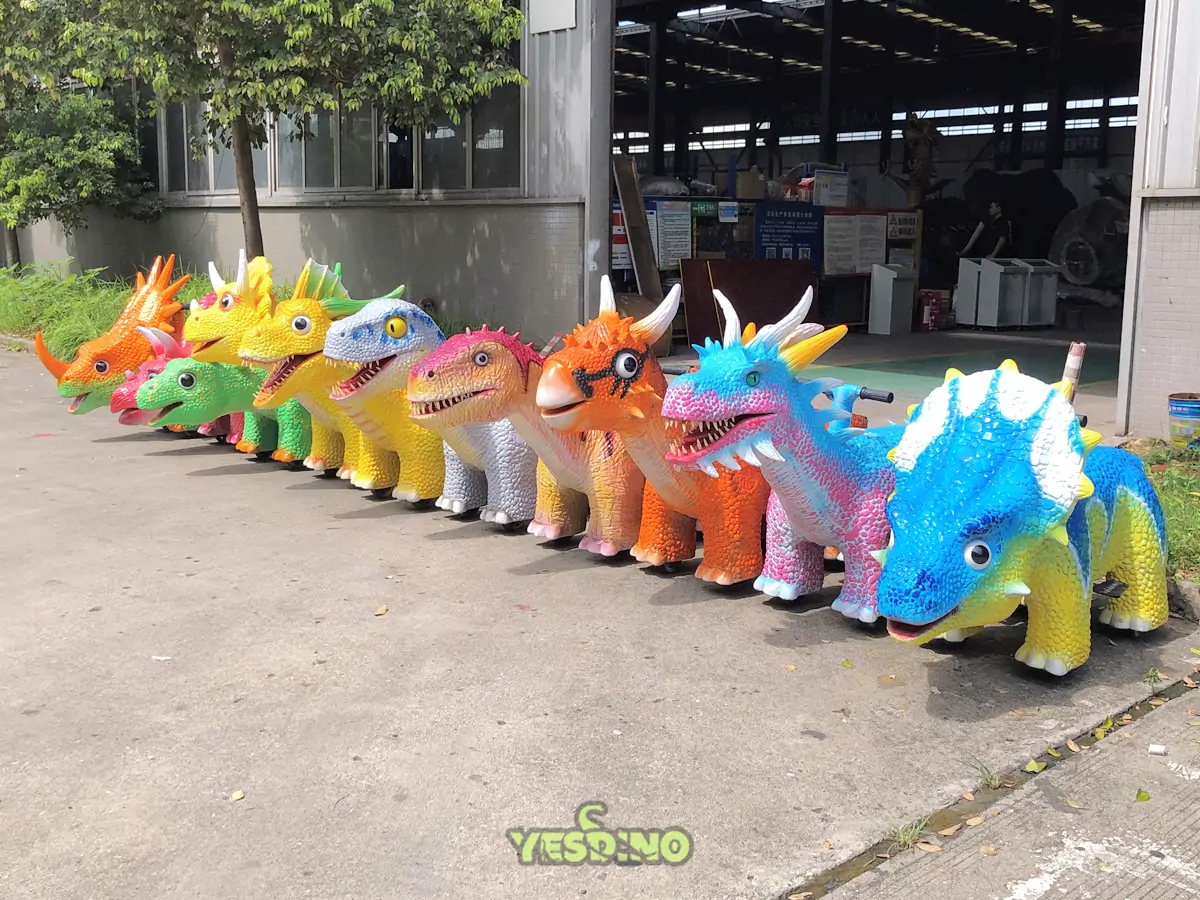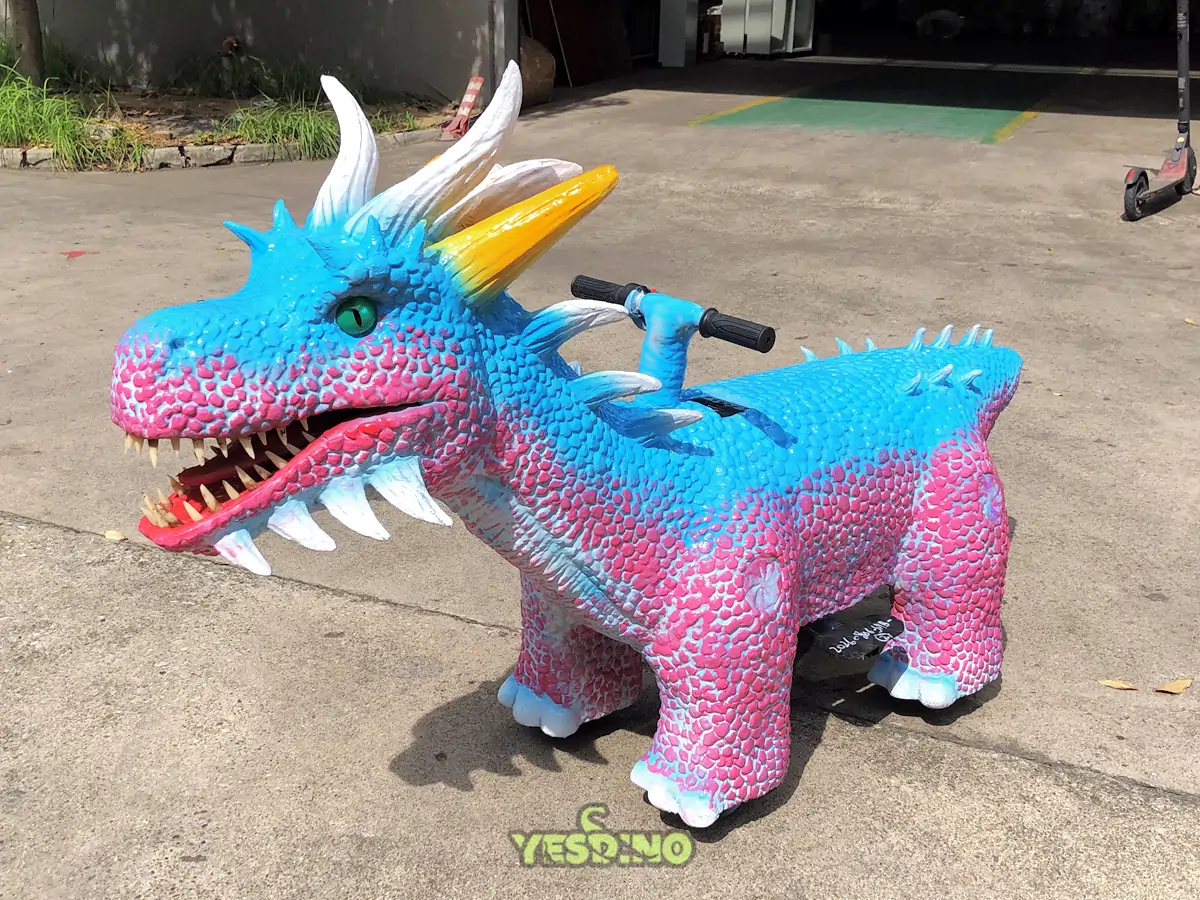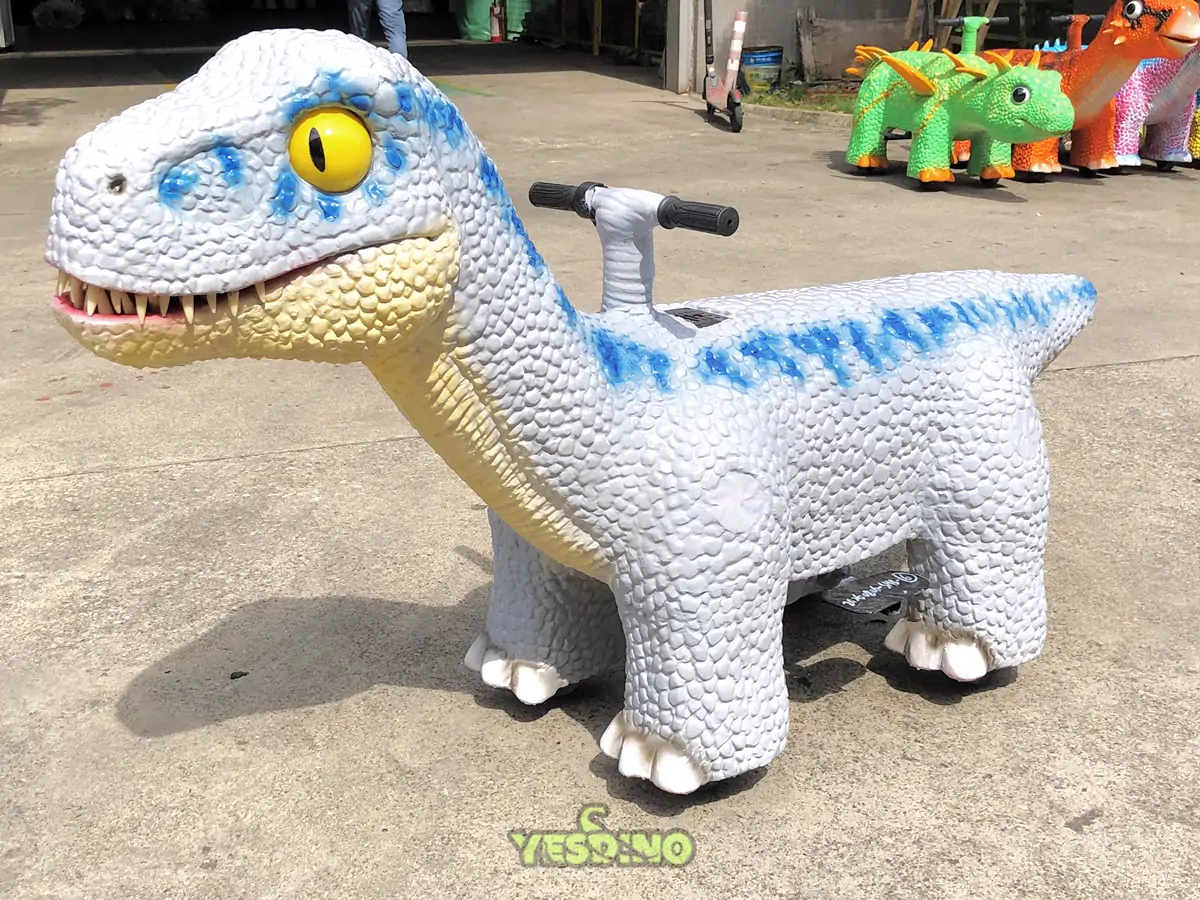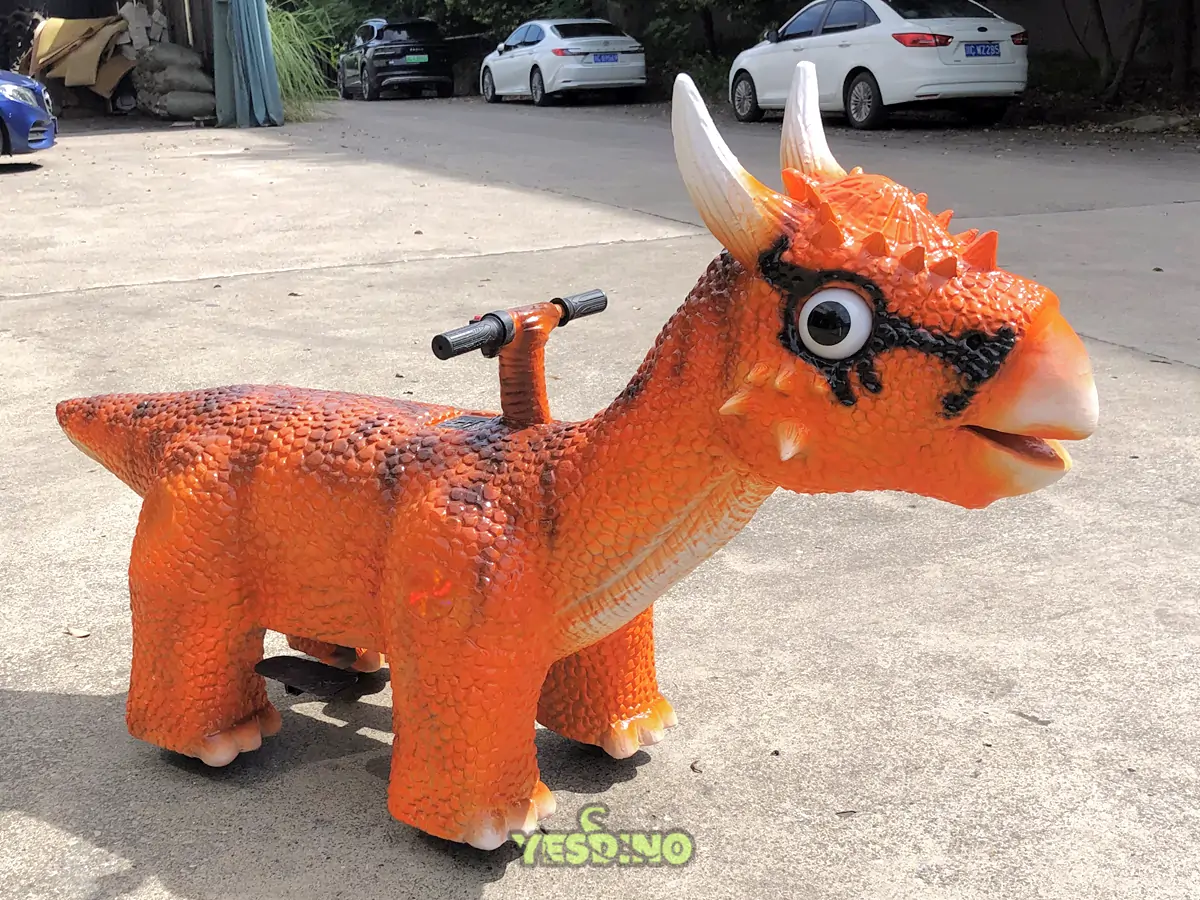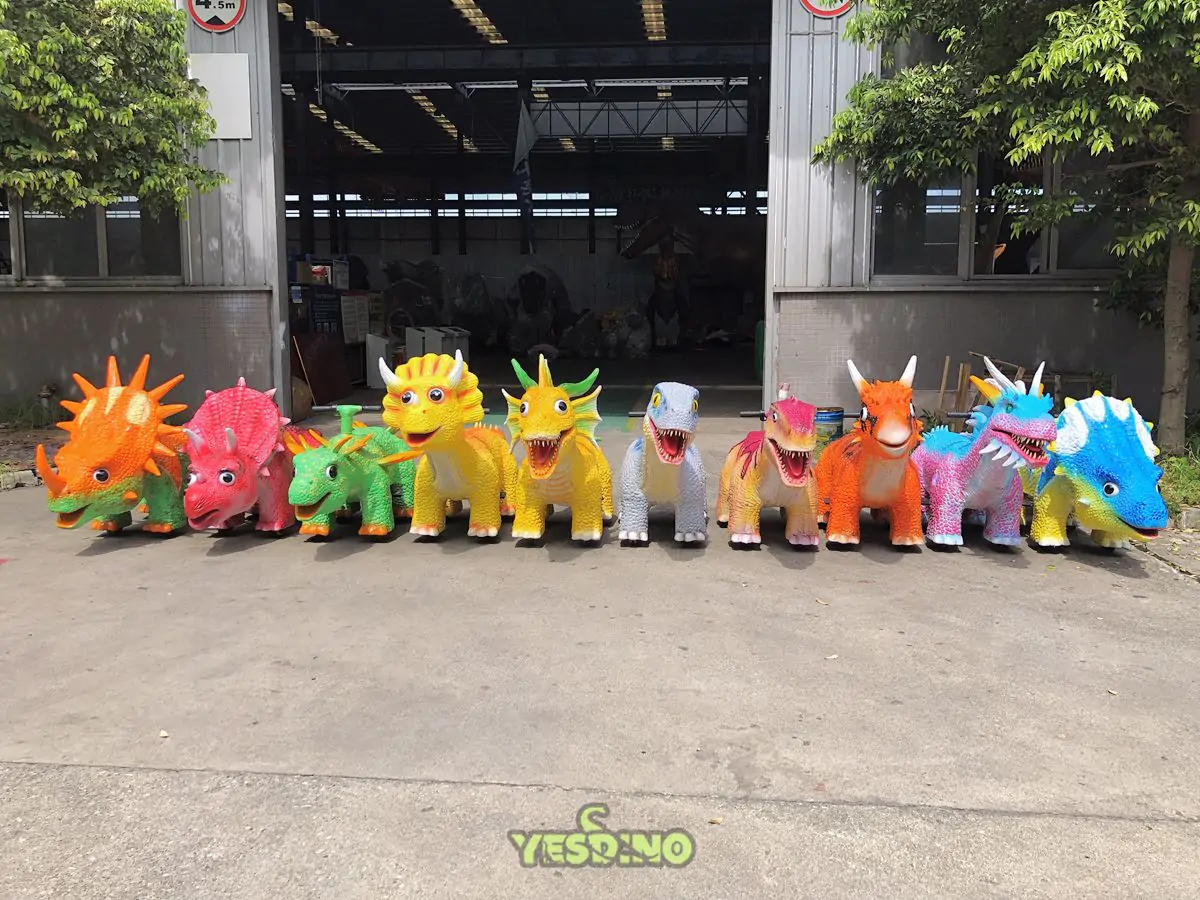
How to Choose a Dinosaur Ride On Toy: Decide If It's a Kid's Toy or a Business FirstWhen someone searches for a dinosaur ride on toy, they are usually doing two completely different kinds of math. One group is parents. A kid stares at a screen yelling, "I want the roaring dino I can sit on and drive!" Parents start looking for a birthday or holiday gift that's fun, safe, and not a total headache to deal with. The other group is business buyers. Mall operators, indoor play centers, touring show organizers, and attraction buyers are doing a very different calculation: a ride-on dinosaur that carries riders and brings in revenue—how tough is it really, and how fast does it pay back? Those two needs are worlds apart. We run a factory in Zigong making animatronic dinosaurs. Commercial ride-ons are our bread and butter, so that's where we speak from experience. We also know the retail toy side well enough to call out the common traps, so let's lay both out clearly and help you pick based on what you actually need. Don't Jump Into Models Yet: One Phrase, Two Totally Different ProductsA lot of people ask "Which one is best?" right off the bat, when step one is figuring out whether you're buying a home toy or a commercial machine. Home Dinosaur Ride-On Cars (Family / Retail Side)Usually a plastic body, four wheels, a 6V/12V/24V battery or push/ride-along setup, built for little kids cruising around the living room, yard, or neighborhood. Prices typically run from tens of dollars to a couple hundred bucks, and shoppers often search terms like kids, 12V, ride on car, and remote control. Commercial Dinosaur Ride-On Machines (Malls / Parks / Attractions / B2B Side)Usually built around a steel frame with high-density foam and silicone/simulated skin, motion controls, and coin, remote, or card/QR start—often designed for one rider or a parent-and-child ride-along in malls, play zones, exhibits, or tourist spots. Prices usually range from hundreds to a few thousand dollars per unit, and buyers often search commercial, coin operated, amusement park, or for sale. Here's the short version: a home toy is about kid fun and easy upkeep; a commercial unit is about heavy daily wear and steady payback. Mix those two up, and comparing specs or prices gets messy fast.
If You're a Parent: Check These 6 Things Before Buying a Home Ride-OnShopping for your own kid? Don't get swept away just because the dino looks cute. Double-check these six points and you'll dodge most of the headaches. Age and Height: Don't Rely Only on "Ages X+"Listings love saying 1+ or 3-8 years, but kids grow fast—height and leg length tell you way more than age. Some 12V ride-ons with a wide age label still set a height cap (around 3.3 ft / ~1 meter, for example). Measure your kid first so you don't end up with something way too small or awkward to reach the pedals. Weight Limit: Watch Stability, Not Just the Max NumberMany home dinosaur ride-ons sit around a 65 lbs (~30 kg) limit for younger to middle-grade kids. Push past the rated weight and the motor works overtime, battery drains faster, and cornering feels shakier. Check the real limit and don't squeeze an oversized kid onto a light frame.
Speed and Speed Control: Safety First, Fun Right Behind ItHome ride-ons commonly cruise around 3–5 km/h (~1.9–3.1 mph), with some higher-tier options going faster. For young riders, smooth acceleration, selectable speeds, or a 2.4G parental remote matters way more than top speed. Battery and Runtime: Look Beyond "12V" to Capacity and SwapsTwo 12V ride-ons can behave very differently depending on whether the battery is 4.5Ah or 7Ah—affecting runtime (often around 1–2 hours depending on terrain and load) and charging time. Before buying, check whether the battery is easy to swap out so replacement down the road doesn't turn into a chore. Parental Remote and Seat Belt: Treat Them as Must-HavesFor little kids or first-time drivers, a seat belt and a parental remote aren't "nice extras"—they're what let you step in fast when steering gets wild or the path gets tight.
Safety Certifications: Check the Details, Not Just a Blurry ScreenshotFor North American and European markets, common toy compliance standards include CPSIA, ASTM F963, and CPC (US), and EN71, EN62115, CE, and RoHS (EU). When talking to a seller, don't stop at a quick screenshot—check the actual model covered, issuing body, and expiration date. Roaring, Chomping, Mist: Which Flashy Features Actually Pull Their Weight?Dino styling gets attention on its own, but more moving parts and add-ons also mean more things that can wear out or act up. Features That Usually Earn Their KeepHead and mouth motion: Opening/closing the jaw, turning the head, or blinking brings the dino character to life for kids—as long as the linkage and drive setup hold up smoothly over time. Parental remote + seat belt: Directly helps keep everyday rides controlled and steady. Lights and basic suspension: Practical when kids ride around dusk or over slightly uneven ground.
Features That Often Turn Into Extra WorkMist or smoke effects: Eye-catching for sure, but adding a water tank, atomizer, and tubing means refilling, cleaning, and keeping lines clear—especially annoying if it sits unused or gets gunked up. Built-in music / sound gimmicks: Tunes, Bluetooth, or voice clips are fine as a bonus, just don't pay a big markup for a few tinny songs. Straight talk from the factory floor: fewer complicated add-ons usually means fewer points of failure. For everyday family use, solid basics and safety beat a feature-stuffed gadget that's hard to fix. If You're Buying for Business: Commercial Ride-Ons Are About Payback and UptimeIf you're buying for a mall, family entertainment center, attraction, or event, your checklist looks totally different—you're buying equipment meant to earn its keep day after day. Load Capacity and Ride-Along Setup: 40kg+ Fits Real Foot Traffic BetterIn malls and busy play zones, parent-and-child rides or heavier riders show up constantly, so commercial units often aim higher on load capacity—around 100kg–150kg depending on the build (for example, some 1.6–1.8m commercial ride-on models run around 40kg empty weight with roughly 100kg load rating). Extra structural margin helps prevent looseness under heavy daily use. Start and Payment Options: Match How You Run the FloorCommon setups include coin-operated, remote-controlled, and card/QR/cashless start:
Frame, Skin, and Tough Wheels: What Decides How Many Years It LastsA commercial unit taking dozens or hundreds of rides a day lives a much harder life than a backyard toy. Pay close attention to the internal steel frame, foam and skin finish (such as silicone or fiberglass/FRP builds), and wear-resistant wheels (like PU). On a paid attraction floor, every day a unit sits down is revenue lost, so spare parts availability and fast support matter just as much as the upfront price tag. Smart Questions to Ask When Checking Suppliers or QuotesWhatever vendor you talk to, get clear answers on:
Quick Answers (FAQ)How much does a dinosaur ride on toy cost?It varies widely. Basic or standard home ride-on cars often run tens to a couple hundred dollars, while commercial animatronic ride-ons can run from several hundred to a few thousand dollars depending on size, motion, capacity, and specs. Pick your category first, then compare prices. What age is a dinosaur ride on toy best for?Many home models target roughly 1.5–6 or 3–7 years, though height and weight limits are a better guide than age alone. How many people can ride a commercial dinosaur ride-on?Often one rider or a parent-and-child pair, depending on dimensions, seat design, and rated load capacity (commonly around 100kg+). How long does the battery last on a charge?Home models often run around 1–2 hours per charge; commercial setups vary by battery capacity and ride frequency, with many configured to cover half to a full operating day—so match battery specs to your hours. Which is better: coin-operated or QR/remote start?It depends on how you run the space: coin/card suits simpler self-serve spots, while remote or QR works better if staff manage rides or you want centralized payment tracking—just confirm interface specs ahead of time. Figuring out why you're buying comes before picking a model. For a kid at home, focus on fit, safety, and low fuss. For a mall, park, or attraction, send over your space size, indoor/outdoor setup, and operating plan—we'll map out practical options and straight factory pricing around your real site. |